
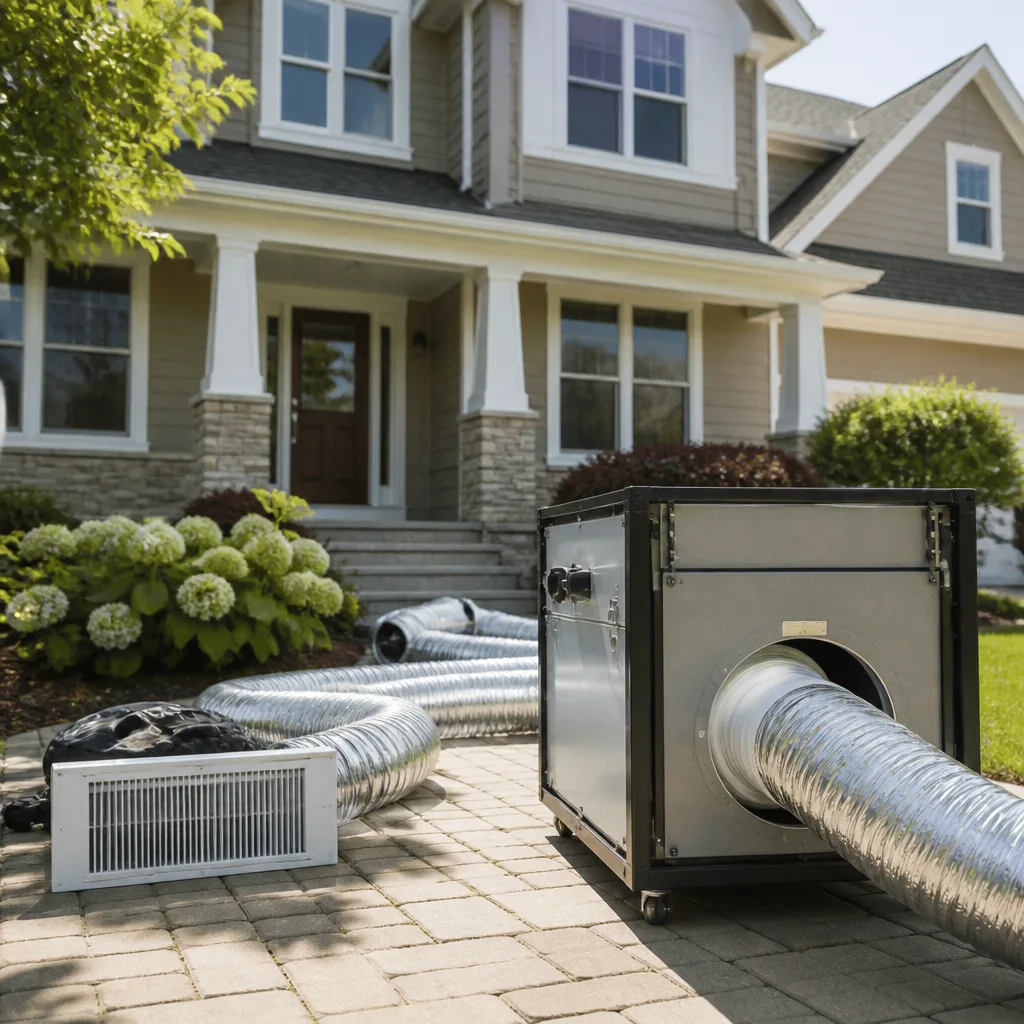
 Whole-home duct cleaning
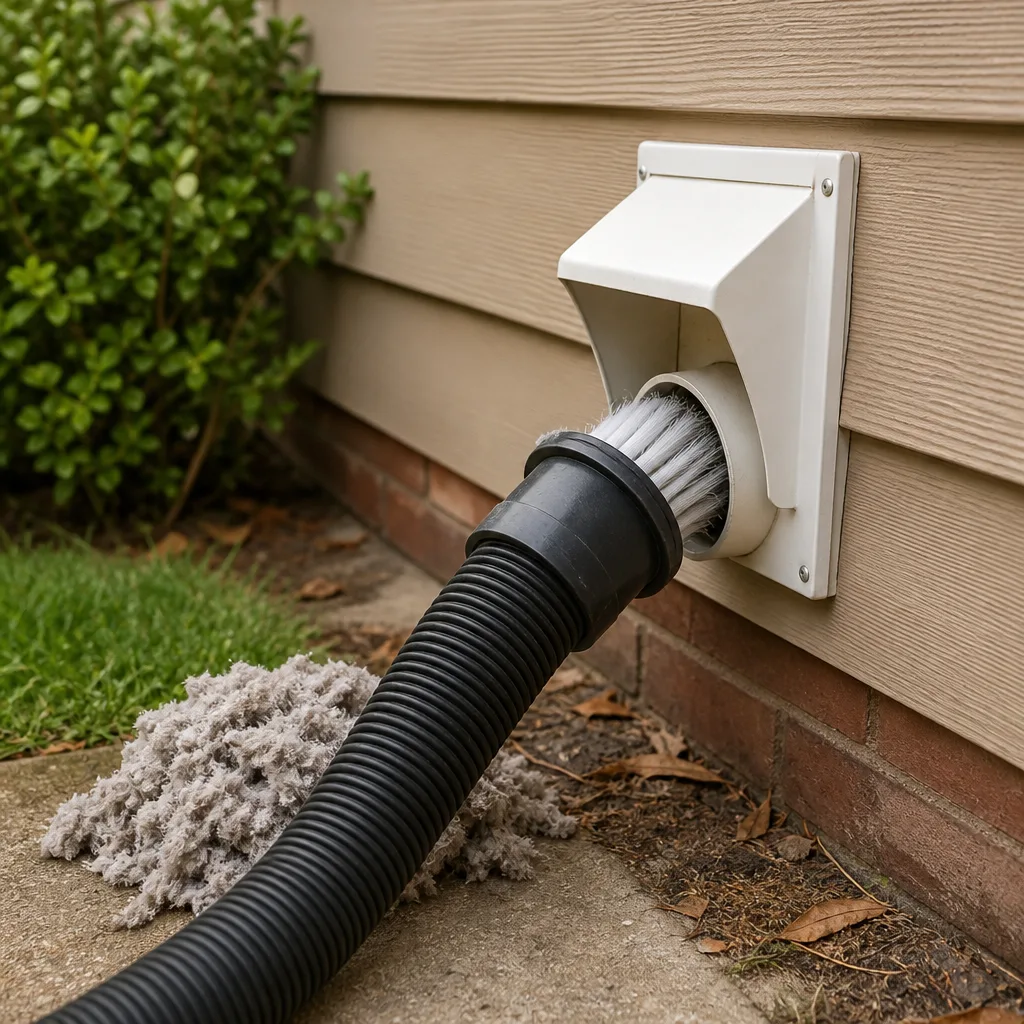 Dryer vent cleaning
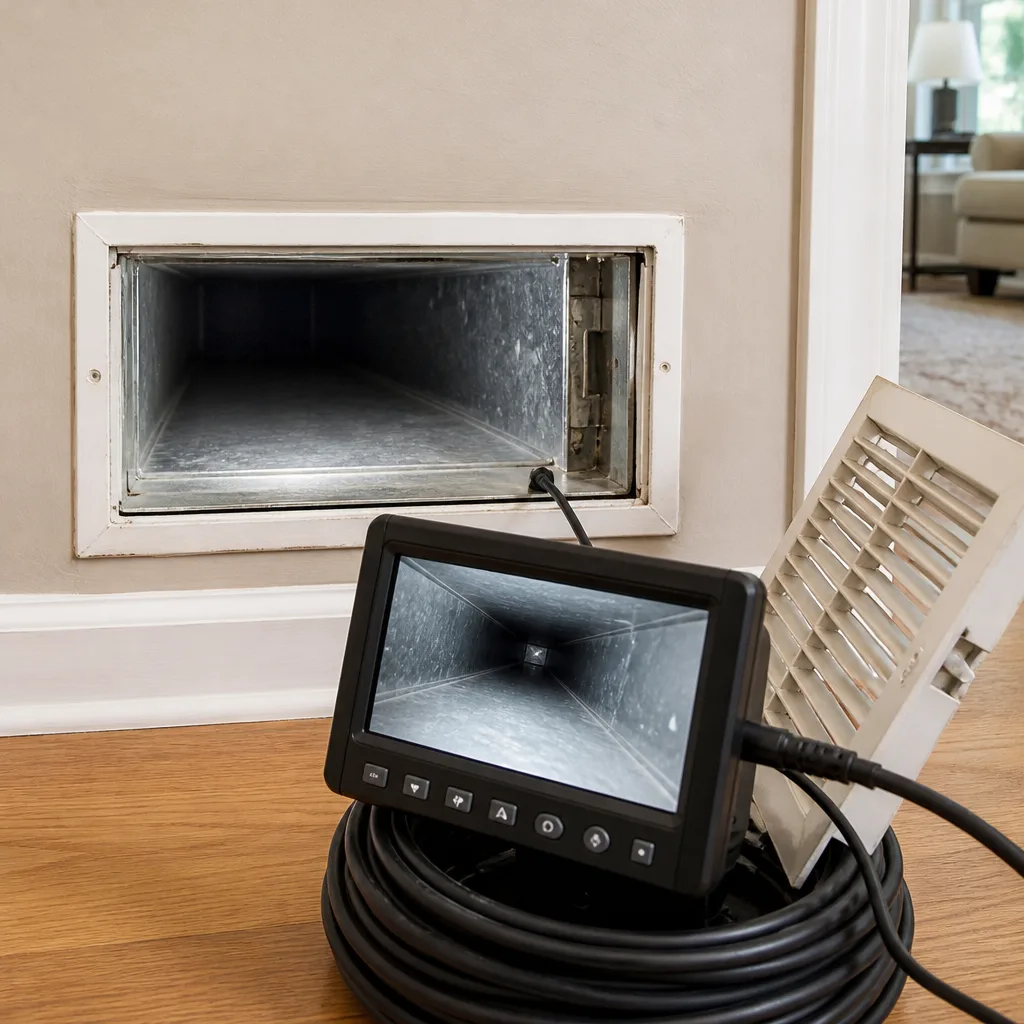 Camera inspection
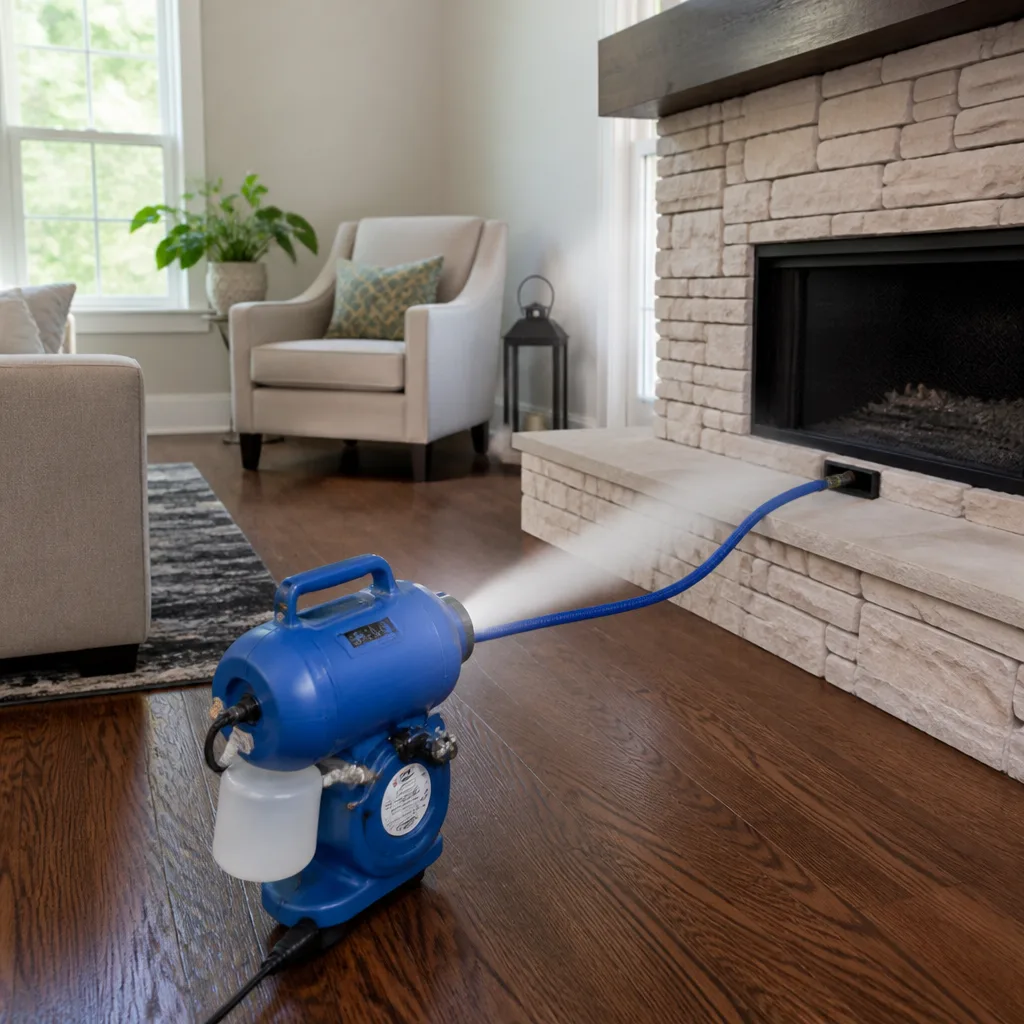 Sanitizing & deodorizing
Whole-system duct and dryer vent check with before-and-after photos - you see exactly what came out of your vents
That "$99 whole-house special" is a bait ad - the real number appears once they are in your hallway, or the "clean" is a shop-vac at the register. We photograph the inside of your ducts before and after instead.
Honeywell Register & Grille Cleaning: The Miami Owner’s Guide
Honeywell register and grille cleaning in Miami typically runs between $150 and $350 for a full-home service, depending on how many registers and returns your system has and how much buildup has accumulated. Most jobs are completed in under two hours, and we stock cleaning equipment on the truck for every common Honeywell size, so there’s no second visit needed. You’ll usually notice the problem the same way most Miami homeowners do: a register that used to blow strong is now wheezing, or you spot gray-black fuzz around the louvers that keeps coming back no matter how often you wipe it down.
That fuzz is rarely just surface dust. In Miami’s humidity, what collects on a Honeywell register face is often a mix of condensation-fed dust, mildew spores, and fine particulate that bonds to the metal or polymer fins. Wiping the face helps for a few days, then it returns. The reason is simple: the contamination source sits in the duct run directly behind the register, not on the visible surface. Until that section is cleaned properly, the register keeps getting re-coated from behind.
Which Honeywell Models This Applies To
The cleaning process we use works across the full Honeywell register and grille lineup: the fixed-bar stamped steel models common in 1970s through 1990s Florida homes, the multi-shutter polymer units found in newer construction, and the adjustable curved-blade styles Honeywell sells through their supply-house channel. The key variable isn’t the model name stamped on the frame. It’s the opening size underneath.
Honeywell registers come in quarter-inch increments: 4×10, 4×12, 6×10, 6×12, and up through 12×12 for larger returns. That’s the measurement you’ll see stamped or printed on the back of the frame. Before we clean or remove any register, we measure the boot opening as well. Here’s the gotcha most homeowners don’t know: in Miami, we regularly find that a 4×10 Honeywell register was installed over a 4×12 opening, or vice versa. Builders in South Florida’s boom years didn’t always match things up. That misalignment creates an air gap around the register frame, which pulls dirty wall-cavity air into the room every time the blower kicks on. No amount of register cleaning fixes that. The register has to be pulled, the boot sealed properly, and then the assembly reinstalled. We check for that on every single visit.
Kestrel Air Duct Miami is an independent service provider. We’re not affiliated with Honeywell or its distributors. We work on Honeywell registers and grilles every week, but we don’t sell branded replacement parts under their label. If a register is cracked, bent beyond cleaning, or rusted through, we’ll tell you straight and give you the measurement to source the right replacement. We can also source quality aftermarket equivalents through our supply network if you prefer a one-call solution.
Styles & brands we work with
Signs Your Honeywell Register & Grille Cleaning Is Failing
- Recurring gray or black fuzz on the louvers. This is the one we hear about most in Miami. Condensation from our humidity turns the register face into a damp surface, and dust passing through the duct sticks to it. If it returns within two weeks of wiping, the buildup is coming from inside the duct run, not the room air.
- Uneven airflow between rooms with the same size register. One bedroom stays comfortable, the other always feels stuffy. The difference is usually a partially blocked register or the duct boot behind it. A register that’s clogged with matted lint or dust can cut effective airflow by 30 percent or more before it’s visible.
- A musty or stale smell when the system first kicks on. You notice it for the first thirty seconds of each cooling cycle, then it fades. That’s the smell of moisture-fed growth on the register backside and in the first few inches of duct. Miami’s humidity makes this a year-round issue, not a seasonal one.
- Rust spots or corrosion on the register face. Florida air does this faster than anywhere else in the country. Galvanized steel registers in homes with high indoor humidity can start showing rust within five to seven years. Once rust starts, it doesn’t stop. The register either needs deep restoration or replacement.
- Louvers that no longer adjust properly. The plastic or metal adjustment wheel seizes up from accumulated gunk. Forcing it breaks the internal mechanism. This is a mechanical failure, not a cleaning issue, but a thorough cleaning can sometimes free it up if the damage hasn’t already been done.
Replacement Cost & What’s Included
For a whole-home Honeywell register and grille cleaning in Miami, most homes run between $150 and $350. That covers removal of every supply register and return grille, thorough cleaning of the frames and louvers, cleaning of the duct boot behind each opening, inspection for misalignment or air gaps, and reinstallation with proper sealing. Homes on the smaller end of that range typically have 8 to 12 total registers. Larger homes with 15 to 20 openings land on the higher end.
We give a written price before any work begins. Not a ballpark. Not an estimate that changes once the van is in your driveway. The number we quote is the number you pay, and it’s in your hands on paper before a single register comes off the wall or ceiling. That’s the Kingswell Guarantee, and it’s been our standard on every job since 2004.
Parts are a separate line item if a register is beyond cleaning and needs replacement. We’ll show you the damage, give you the replacement cost in writing, and you decide. No pressure. If the register is reusable, cleaning is all you pay for.
See the difference
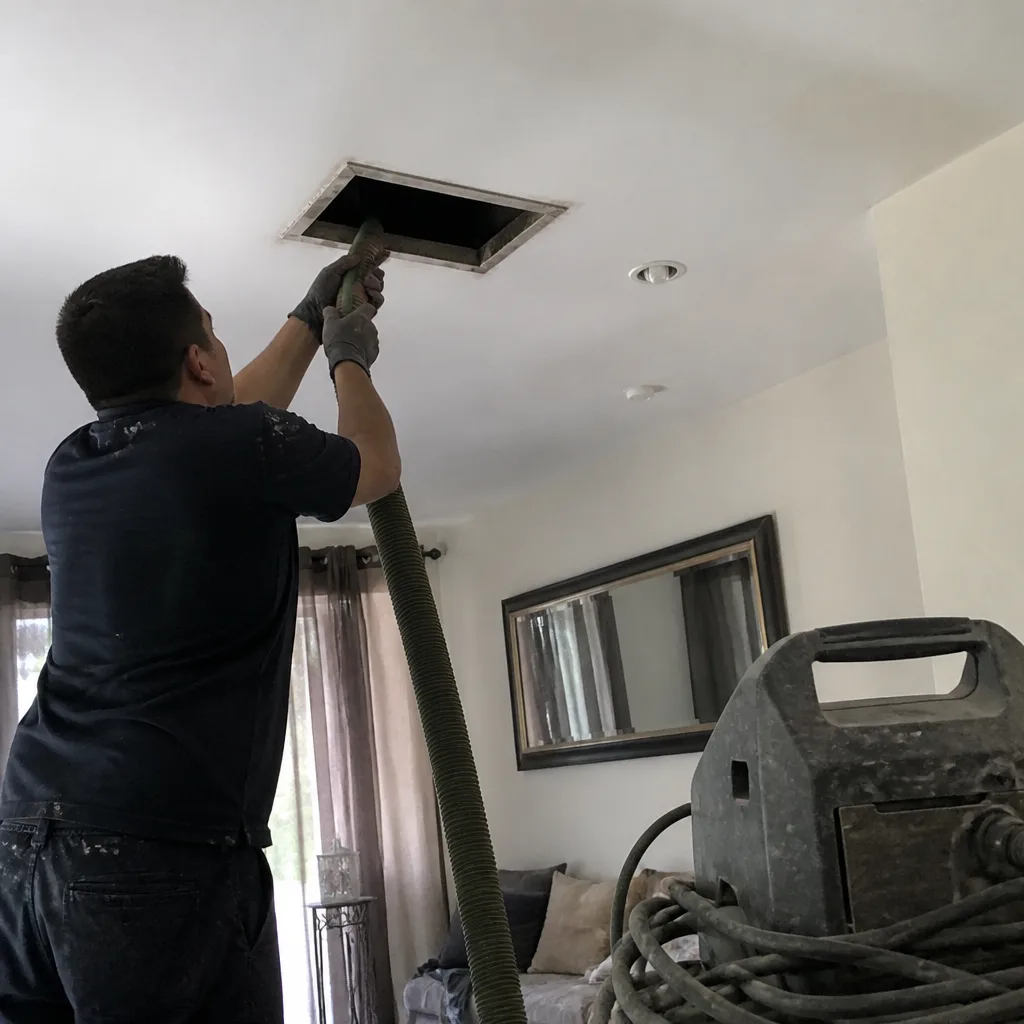 Before
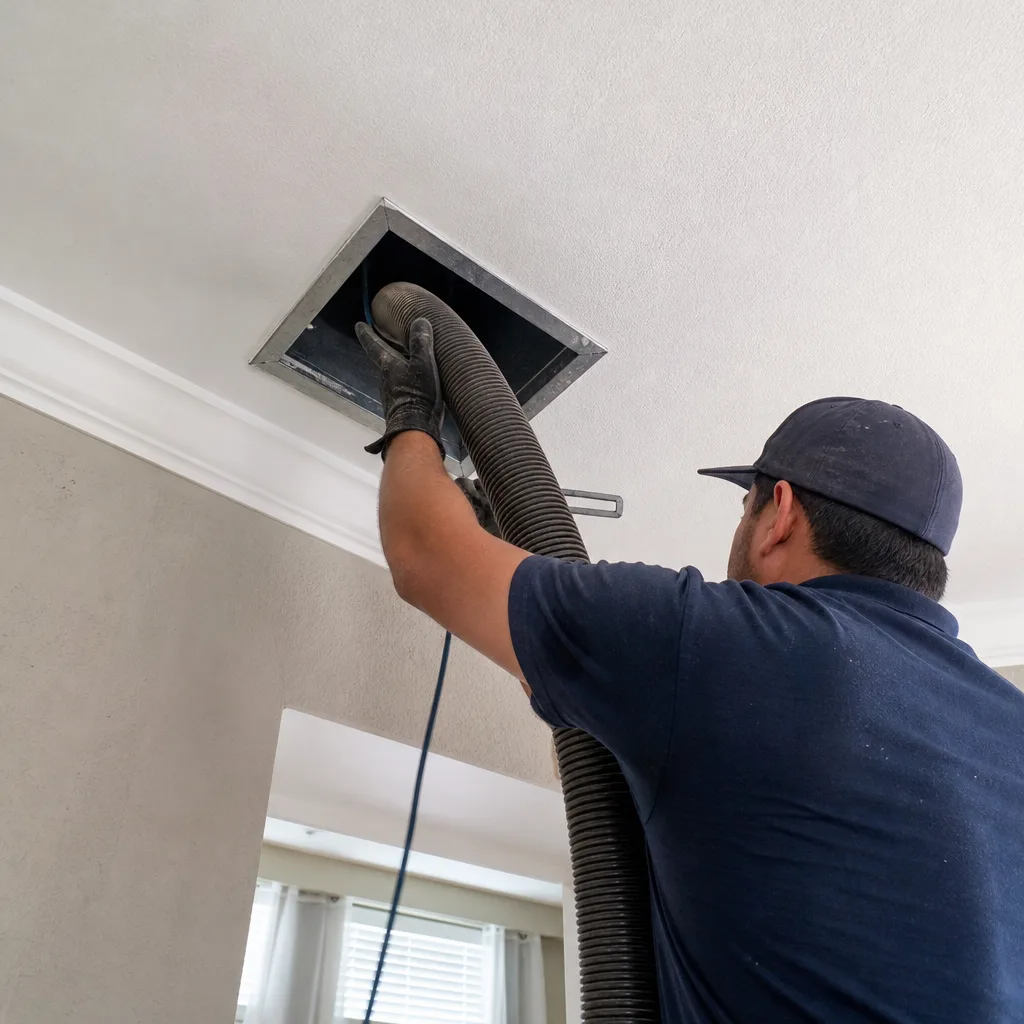 After
After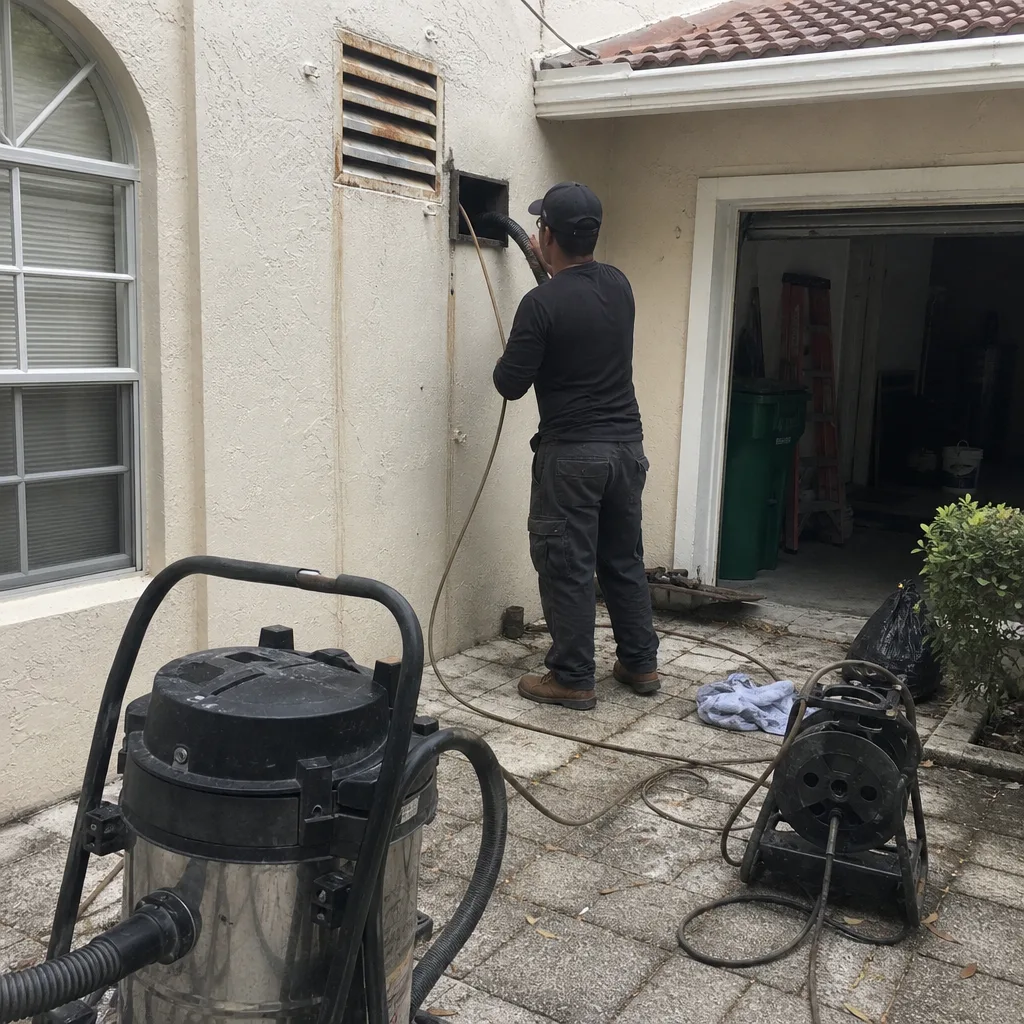 Before
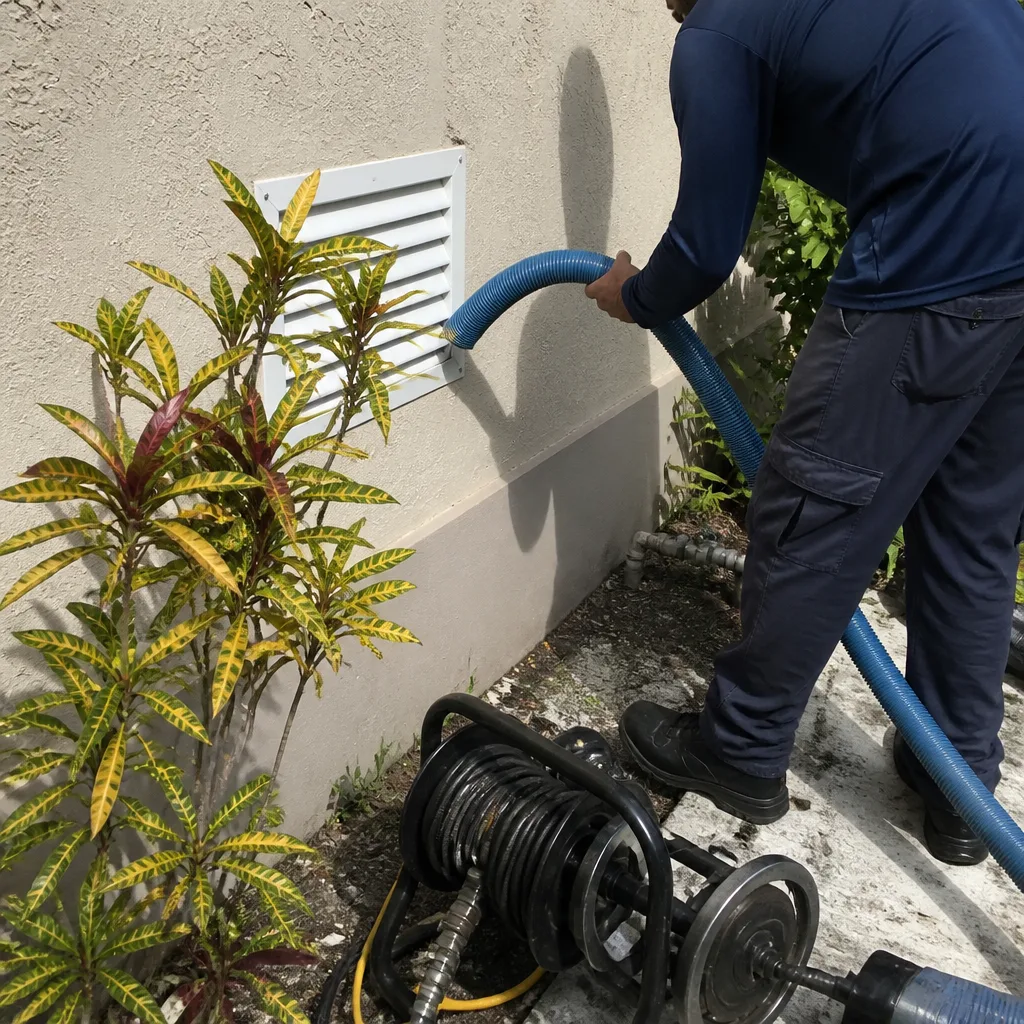 After
After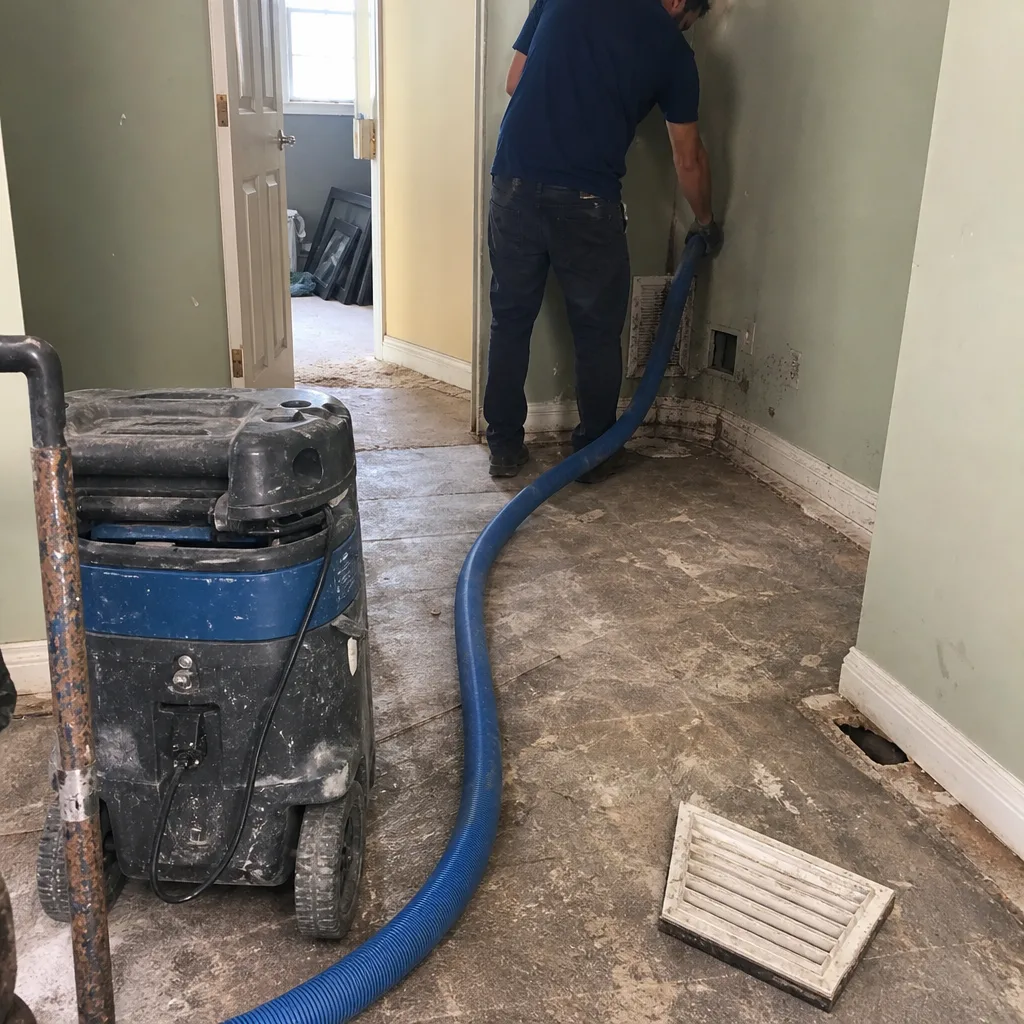 Before
 After
AfterWhat Our Cleaning Actually Involves
We don’t wipe register faces with a rag and call it done. That’s what most people do themselves, and it’s why the problem returns. Here’s how we approach a Honeywell register and grille cleaning in a Miami home:
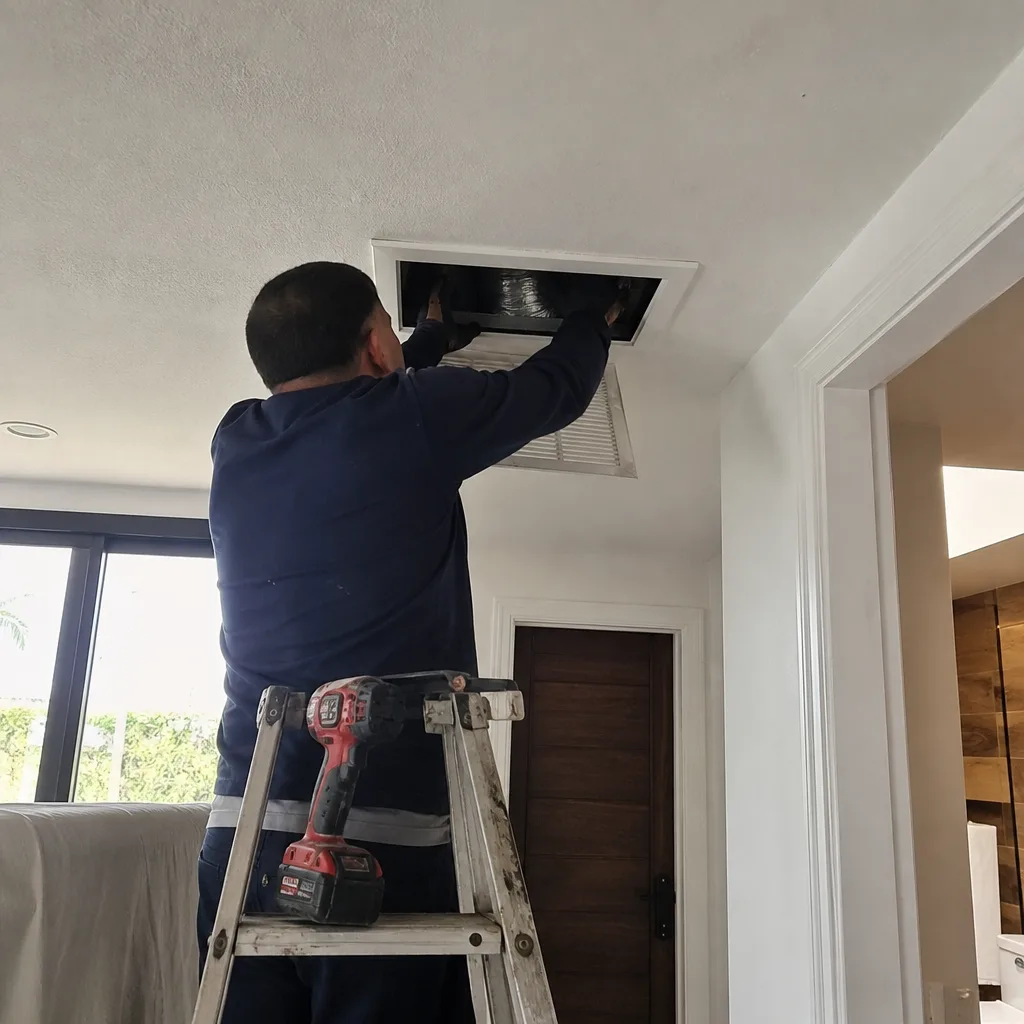
- Removal and inspection. Every register comes off. We inspect each one for rust, mechanical damage, broken louvers, and size mismatches against the boot opening.
- Register cleaning. Frames and louvers get scrubbed with the right product for the material type. Steel registers get treated differently than polymer ones. We remove the caked-on film that household wipes leave behind.
- Duct boot cleaning. This is the part nobody does. We use a HEPA-filtered vacuum to clean the first 12 to 18 inches of duct behind each opening. That’s where the contamination source lives. Our Nikro negative-pressure equipment keeps loosened particles from entering your living space during the work.
- Seal and reinstall. We check for air gaps between the register frame and the drywall or floor opening, seal where needed, and reinstall everything tight. A register that’s loose or misaligned will pull dirty air from the wall cavity indefinitely.
For registers that are heavily contaminated, we use a light brush agitation with a soft-bristle tool to dislodge the bonded material before vacuuming. We don’t use harsh chemicals that could pit the finish or leave residue that attracts even more dust in Miami’s humidity.
What We Stock On The Truck
We run a full inventory of cleaning supplies and sealants sized for Honeywell registers from 4×10 up through 12×12. If a register needs replacement, we carry a limited selection of common-size quality aftermarket units in the truck. We can also order specific sizes and have them within a few days for a follow-up visit if needed. We mention this because we also work with other brands, Lennox, Trane, and Carrier among them, and aftermarket suppliers keep our same sizes in stock without a long wait.
Tell me what you’re seeing and I’ll tell you what it actually means. No upsell attached.
DIY or Call Us?
There’s a real split here, and I’ll give it to you straight. You can safely pull a register off the wall or ceiling, wipe it down with warm water and mild dish soap, dry it completely, and put it back. That’s a reasonable homeowner task. What you can’t easily do is clean the duct boot behind the register. That requires a HEPA vacuum with enough reach and suction to pull debris out of the first foot of ductwork, and a way to contain whatever you dislodge.
Here’s the honest warning from years of Miami service calls: if the fuzz on your Honeywell register keeps coming back after you clean it, the problem isn’t the register face. It’s what’s behind it. Cleaning the visible surface over and over just pushes the real issue down the road. And if you’re seeing rust, don’t sand it indoors. Rust particles from a register can get into the air and end up in your duct system. If you’re not sure what you’re dealing with, call us at (850) 779-9240. We’ll tell you over the phone whether it’s worth a service visit or something you can handle yourself. That advice is free.
FAQs
In Miami’s climate, most Honeywell registers last between 8 and 15 years before rust, wear, or mechanical failure starts showing up. Homes with high indoor humidity or older cooling systems tend to fall on the shorter end. Coastal homes near salt air can see rust forming even faster. Give us a call at (850) 779-9240 and we can assess yours during a cleaning visit.
Light surface rust can sometimes be removed and the register re-coated, but once rust has pitted the metal or spread through the louvers, replacement is the honest answer. Grinding or sanding a rusted register indoors risks sending particles into your duct system. We’ll show you the damage and let you decide either way. Call (850) 779-9240 for an assessment.
For most Miami homes, a full cleaning takes between one and two hours from arrival to finished walkthrough. Homes with 15 or more registers take longer. We’ll give you an arrival window when you book, and we keep it.
We stock common-size aftermarket equivalents in the truck for 4×10, 4×12, 6×10, and 6×12 openings. If your register is a specialty size or you specifically want a branded Honeywell replacement, we’ll measure it and order the exact match. We’re happy to install it on a return visit at no extra charge beyond the part cost. Call (850) 779-9240 and we’ll let you know what’s available.
Written by Dale Whitmore, Owner, Kestrel Air Duct Miami at Kestrel Air Duct Miami, serving Miami and nearby areas.