
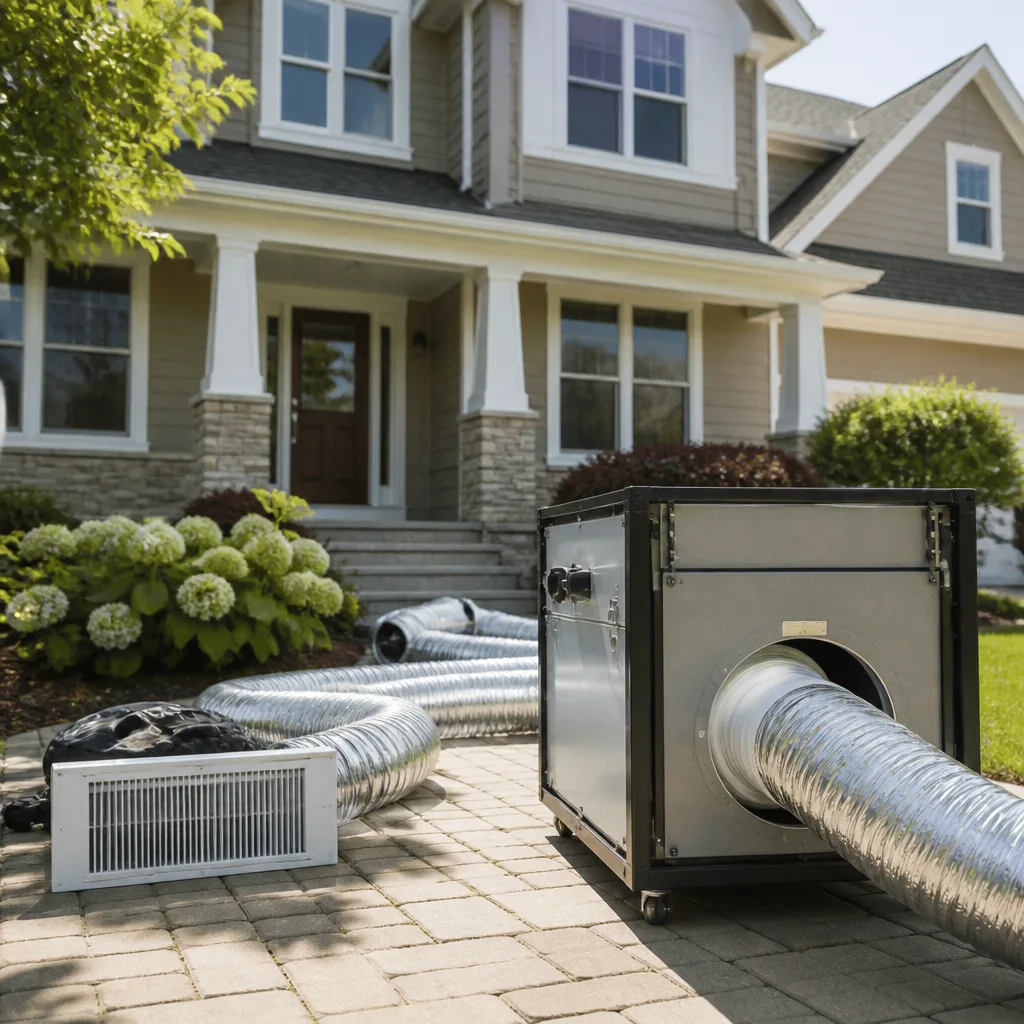
 Whole-home duct cleaning
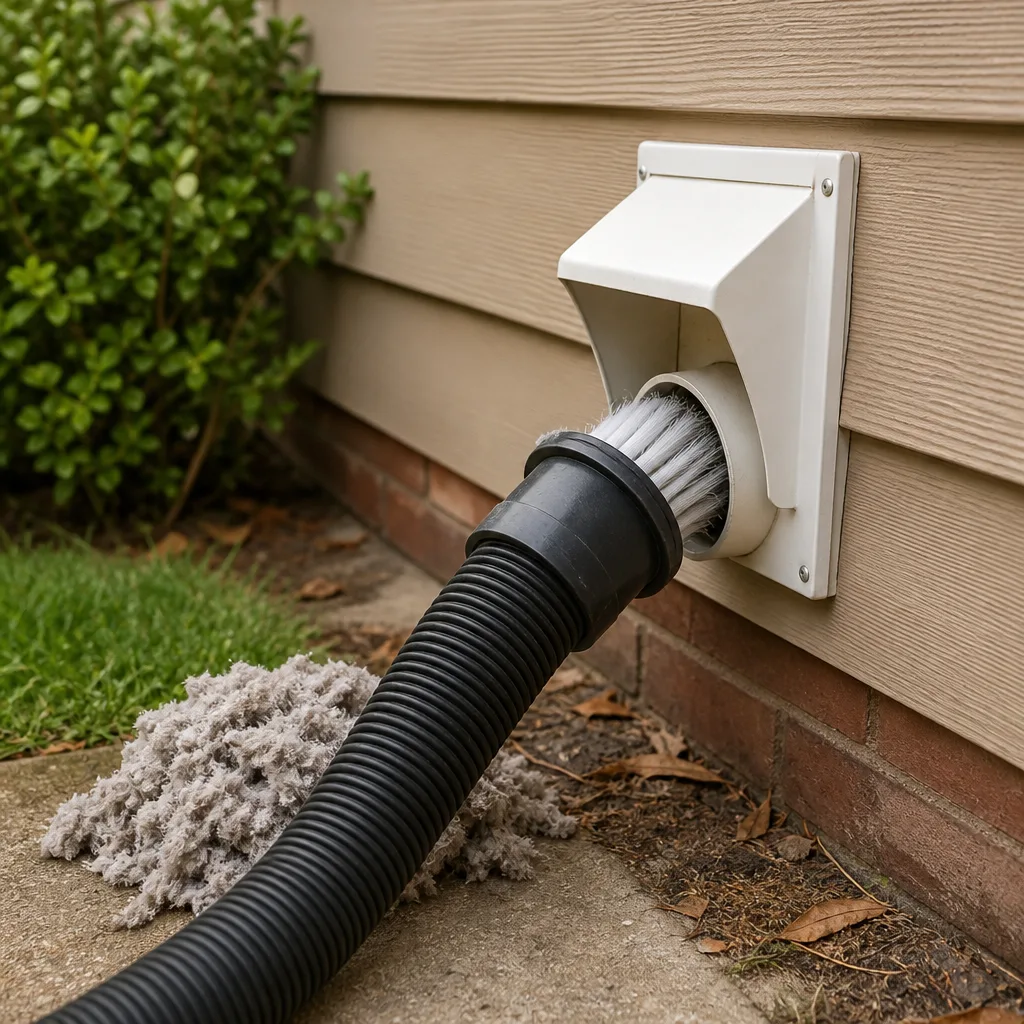 Dryer vent cleaning
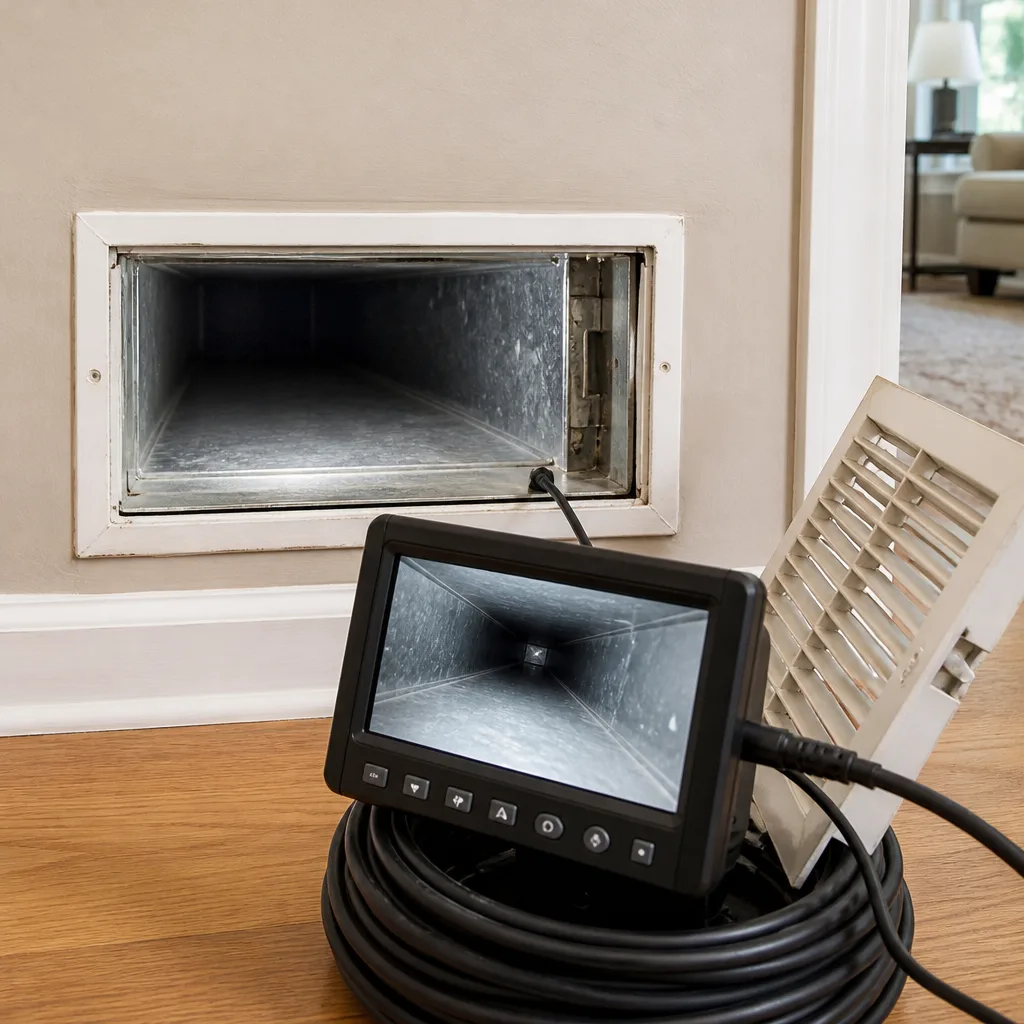 Camera inspection
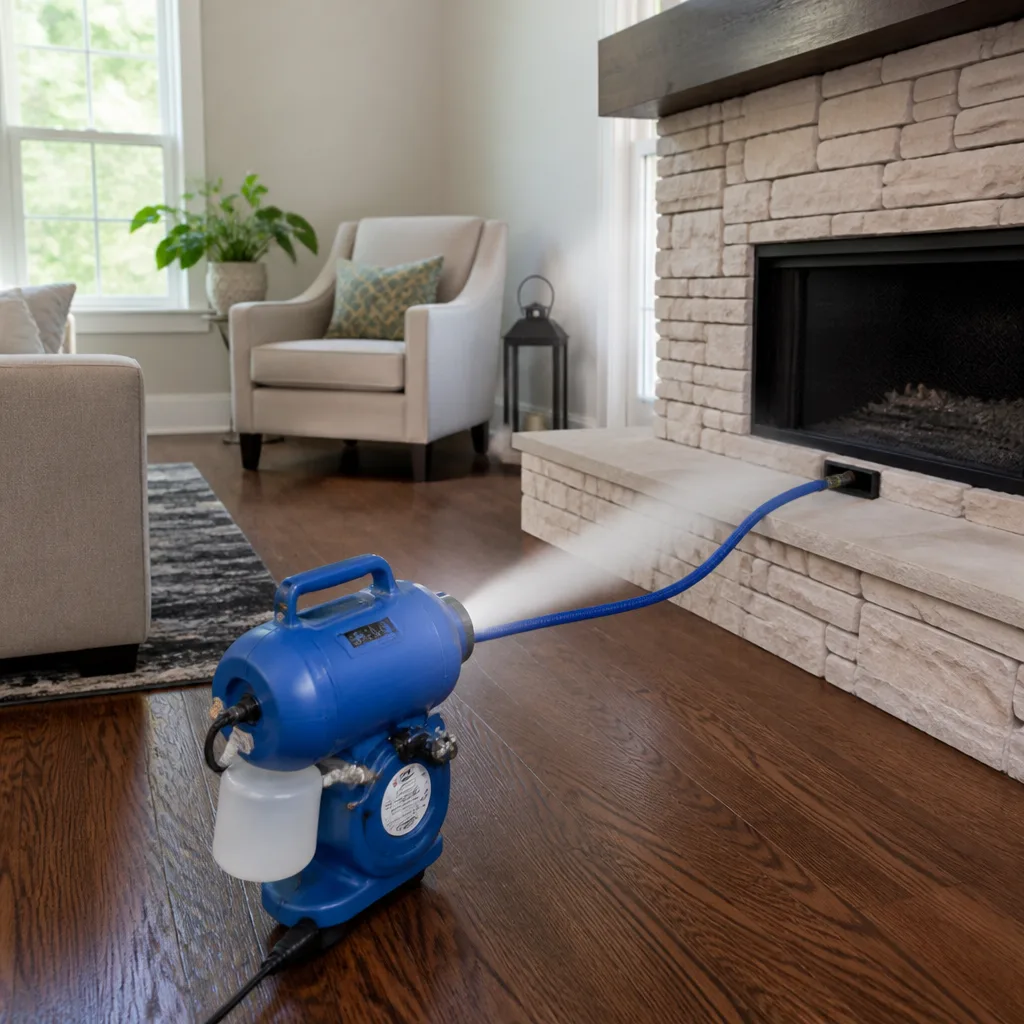 Sanitizing & deodorizing
Whole-system duct and dryer vent check with before-and-after photos - you see exactly what came out of your vents
That "$99 whole-house special" is a bait ad - the real number appears once they are in your hallway, or the "clean" is a shop-vac at the register. We photograph the inside of your ducts before and after instead.
Honeywell Coil Cleaning: The Miami Owner’s Guide
Honeywell coil cleaning in Miami typically runs between $180 and $420 for a full evaporator coil cleaning on a residential system, depending on access and how heavily the coil has fouled. We stock Honeywell-compatible coil cleaning solutions and the tools to do the job right, and most Miami jobs are completed the same day we arrive. You usually find out your coil needs attention when the AC stops pulling humidity like it used to, the house feels sticky at 74 degrees, or there’s a faint sour smell coming from the air handler.
Here’s the reality of Miami air: the humidity never lets up, and that means your Honeywell evaporator coil is working in conditions most coils never see. Condensation sits on those fins for months at a time. Dust, pollen, and the fine salt air from the coast settle into that moisture and bake on. After a few years, that coil is wearing a blanket of grime that chokes airflow and insulates the very surface that’s supposed to pull heat out of your air.
Which Honeywell Models This Applies To
This guide covers the Honeywell coil lines most common in Miami residential systems: the Honeywell HC and CF series evaporator coils, as well as Honeywell-compatible replacement coils sold through HVAC supply houses across South Florida. If you have a Honeywell thermostat calling the shots, that doesn’t change the coil itself, but if your air handler was built or retrofitted with a Honeywell evaporator coil, the cleaning approach here applies directly.
How to confirm what you have: pull the front panel off your air handler and look for a data plate or sticker on the coil housing. You’ll see a model number that typically starts with HC, CF, or a long alphanumeric sequence that includes the coil’s dimensions in the last few characters, something like “21×18.” That number tells us the physical size, which matters because a coil that’s hard to reach or crammed into a tight closet install in a Coral Gables bungalow takes longer to clean properly than one with clear access. For Honeywell coils specifically, we always recommend using a cleaning agent rated for aluminum fins. The Honeywell coils we see in Miami are nearly all aluminum now, and the wrong chemical, especially an acid-heavy cleaner meant for older copper coils, will eat the fins faster than the grime ever did. If you’re ordering a cleaner yourself, look for one labeled aluminum-safe, and if the label doesn’t say it, don’t spray it on your Honeywell coil.
OEM versus aftermarket: Honeywell sells branded coil cleaning chemicals through their supply chain, but the honest truth is that professional-grade aluminum-safe coil cleaners from brands like Refrigeration Technologies and Nu-Calgon do the same job at the same quality in most cases. The bigger variable isn’t the brand on the jug, it’s the technique. We use a low-pressure spray and a soft-bristle fin brush rather than blasting the coil with a garden hose, because Miami coil grime is baked on hard but the fins underneath are thinner than a soda can.
Styles & brands we work with
Signs Your Honeywell Coil Cleaning Is Failing
We’re using “failing” loosely here. The coil itself rarely fails from dirt. What fails is your system’s ability to do its job, and a dirty Honeywell coil in Miami shows the same warning signs every time. Here’s what owners call us about:
- The AC runs longer to hit the set temperature. A fouled coil can’t transfer heat efficiently, so the system compensates by running longer cycles. You’ll see it in your FPL bill before you see it anywhere else.
- Humidity inside the house climbs even though the temperature holds. This is the Miami tell. A dirty coil runs warmer than it should, and a warmer coil doesn’t condense as much moisture out of the air. You get that clammy feeling at 74 degrees.
- Airflow from the vents feels weaker than it did a year ago. The grime on the coil acts like a filter you never asked for. The blower is pushing against a wall of gunk, and the air that reaches your rooms is softer for it.
- A sour or musty smell comes from the supply vents when the system kicks on. That’s biological growth feeding on the dust and moisture trapped on the coil. In Miami’s humidity, it doesn’t take long for a dirty coil to start smelling like a wet towel left in a gym bag.
- The coil is visibly matted or frozen. When we pull the panel and the fins look like they’re wearing a gray sweater, that’s years of buildup. If you see ice on the coil or the refrigerant line, shut the system off and call us, because ice blocks airflow and compounds the problem fast.
If you’re seeing any of these, the fix starts with getting that coil clean. Ignoring it doesn’t buy you time. It buys you a higher power bill and, eventually, a compressor that overheats because it’s working against a coil that can’t shed heat.
See the difference
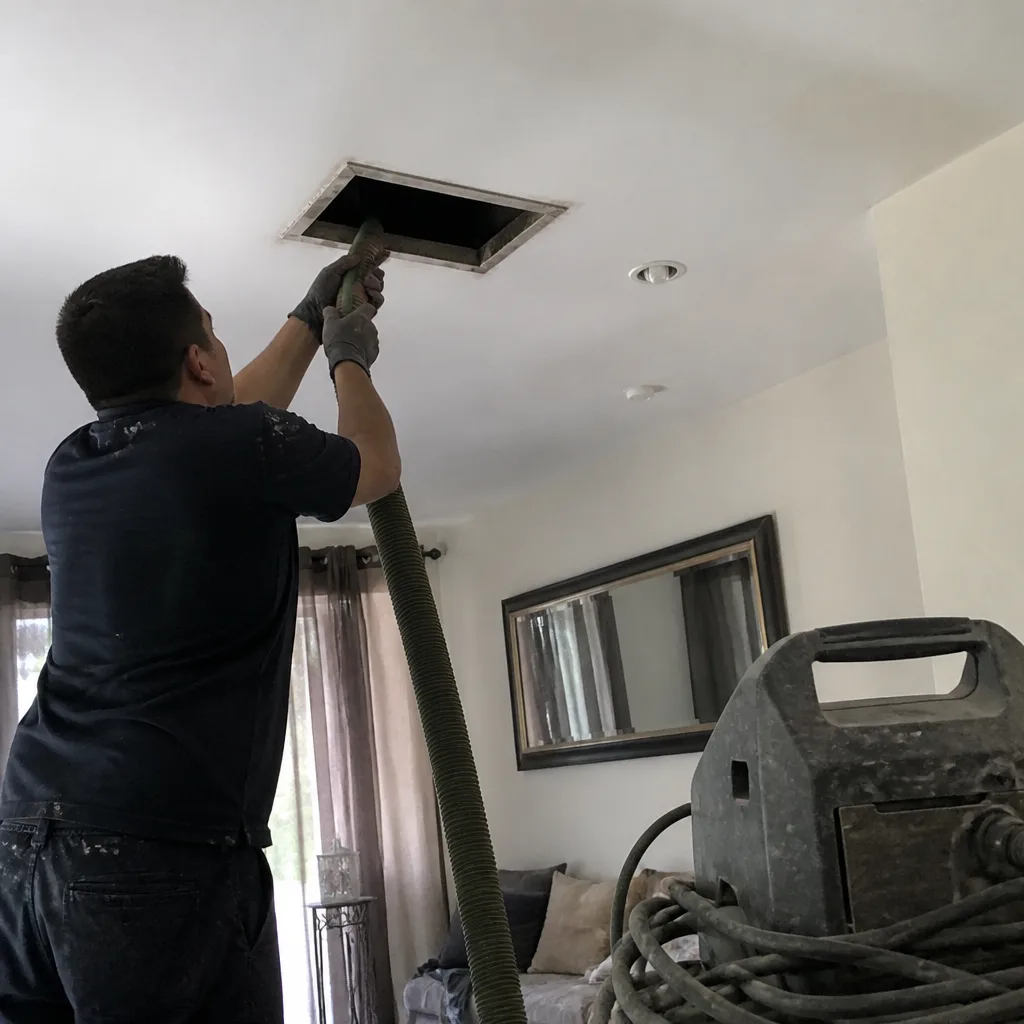 Before
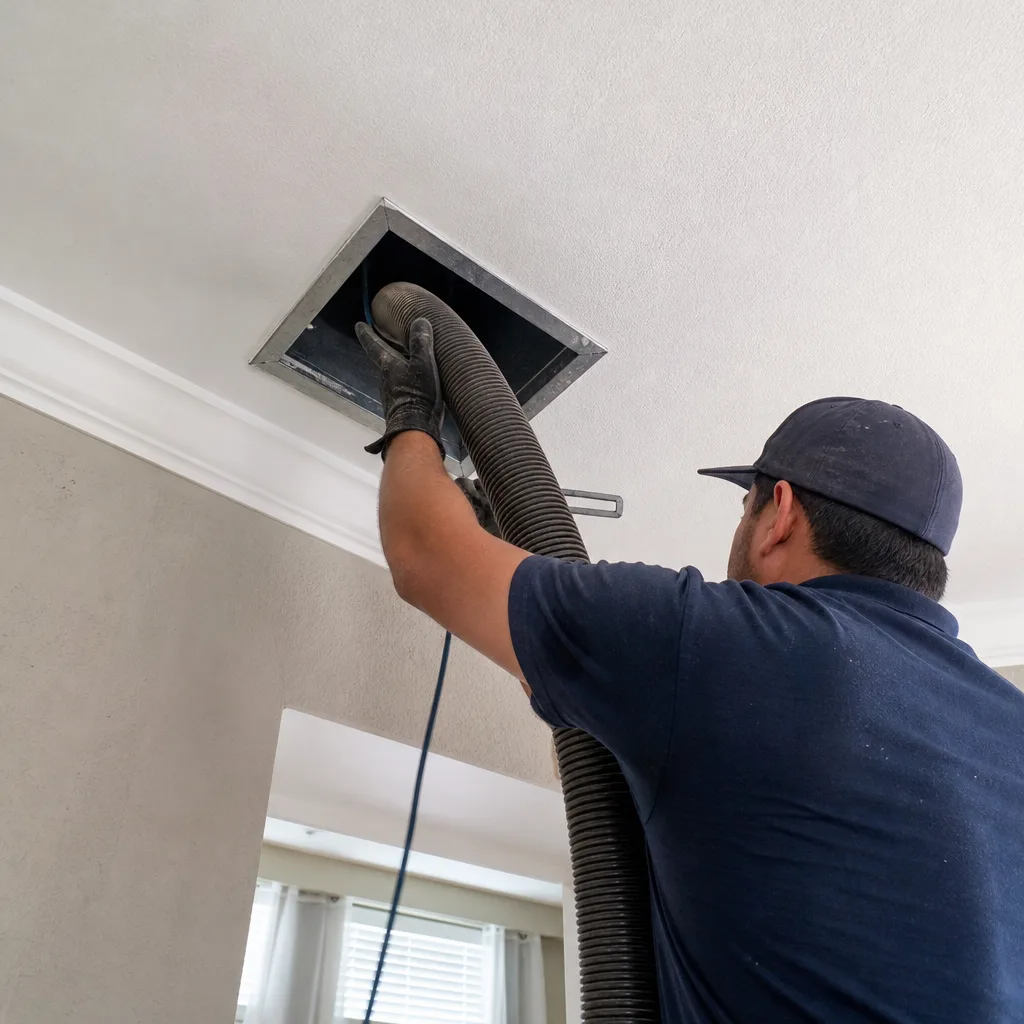 After
After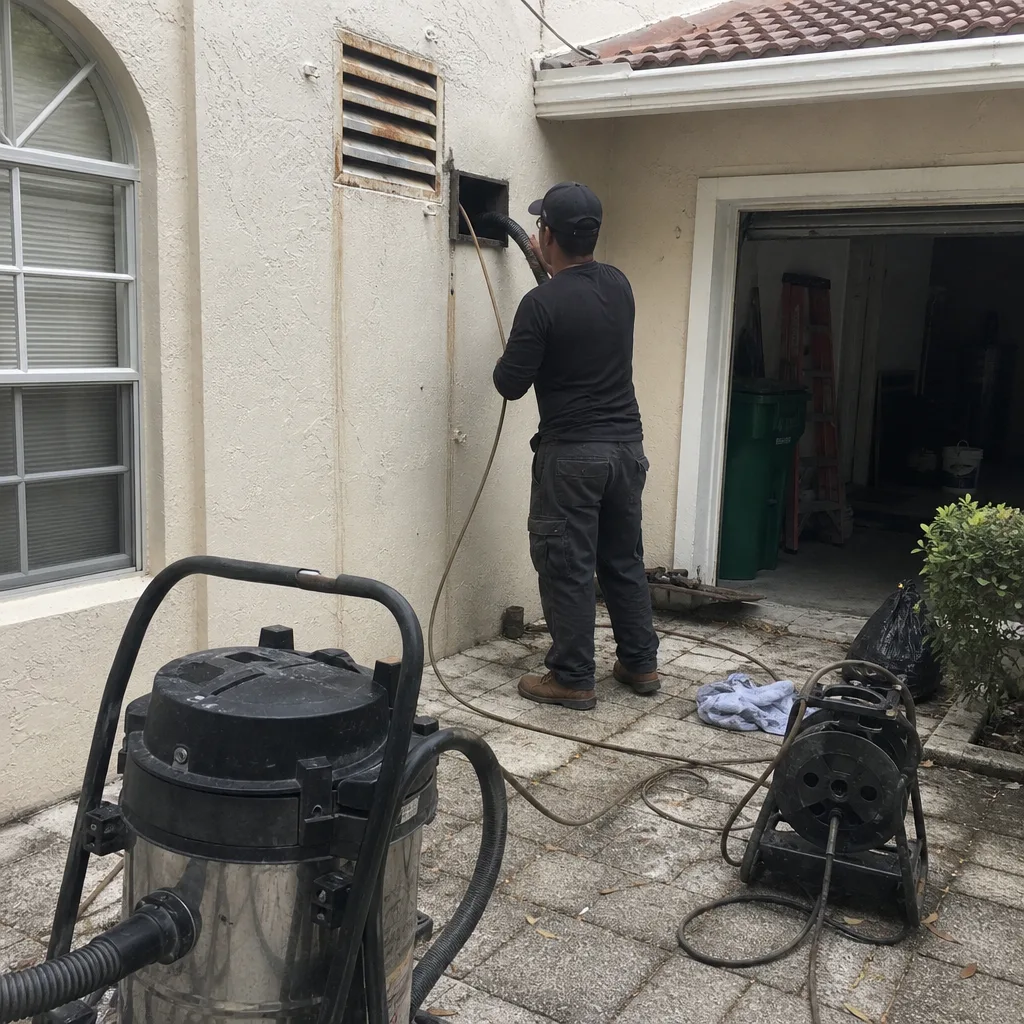 Before
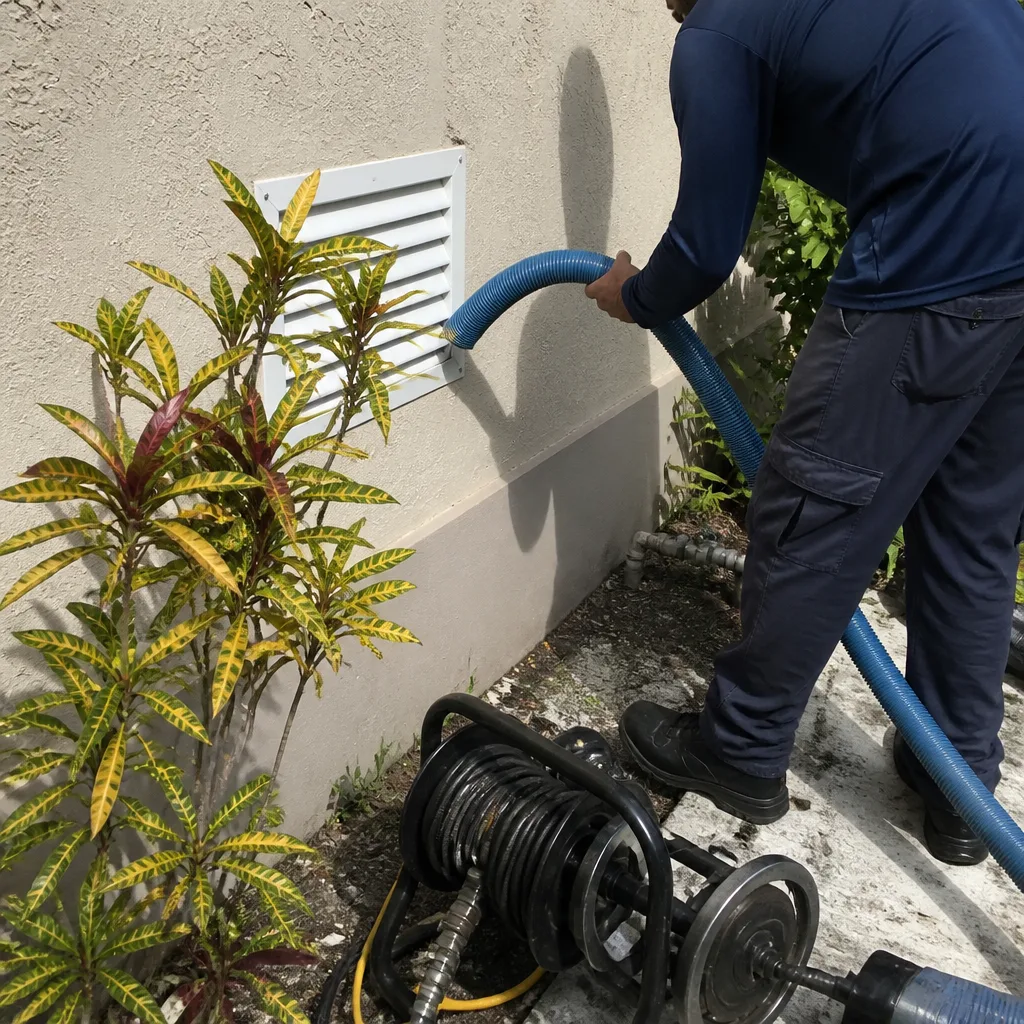 After
After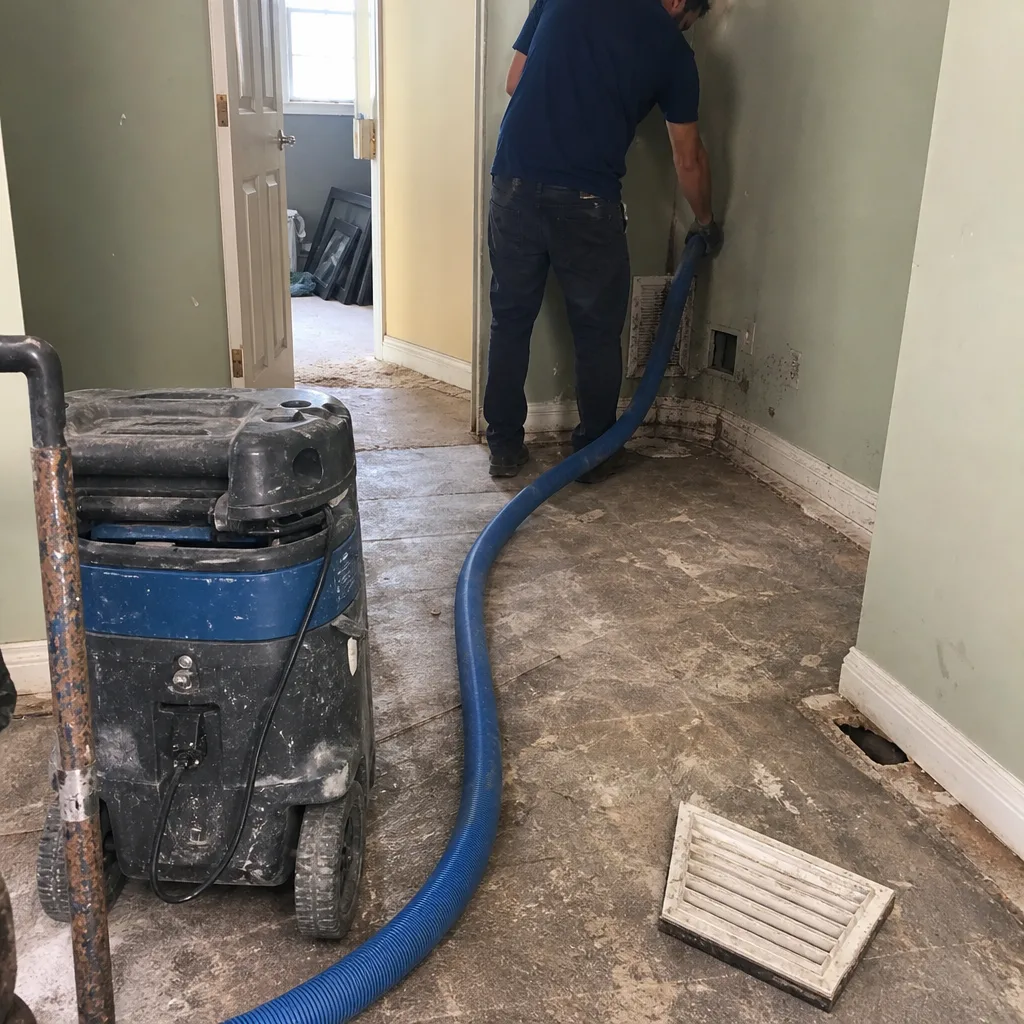 Before
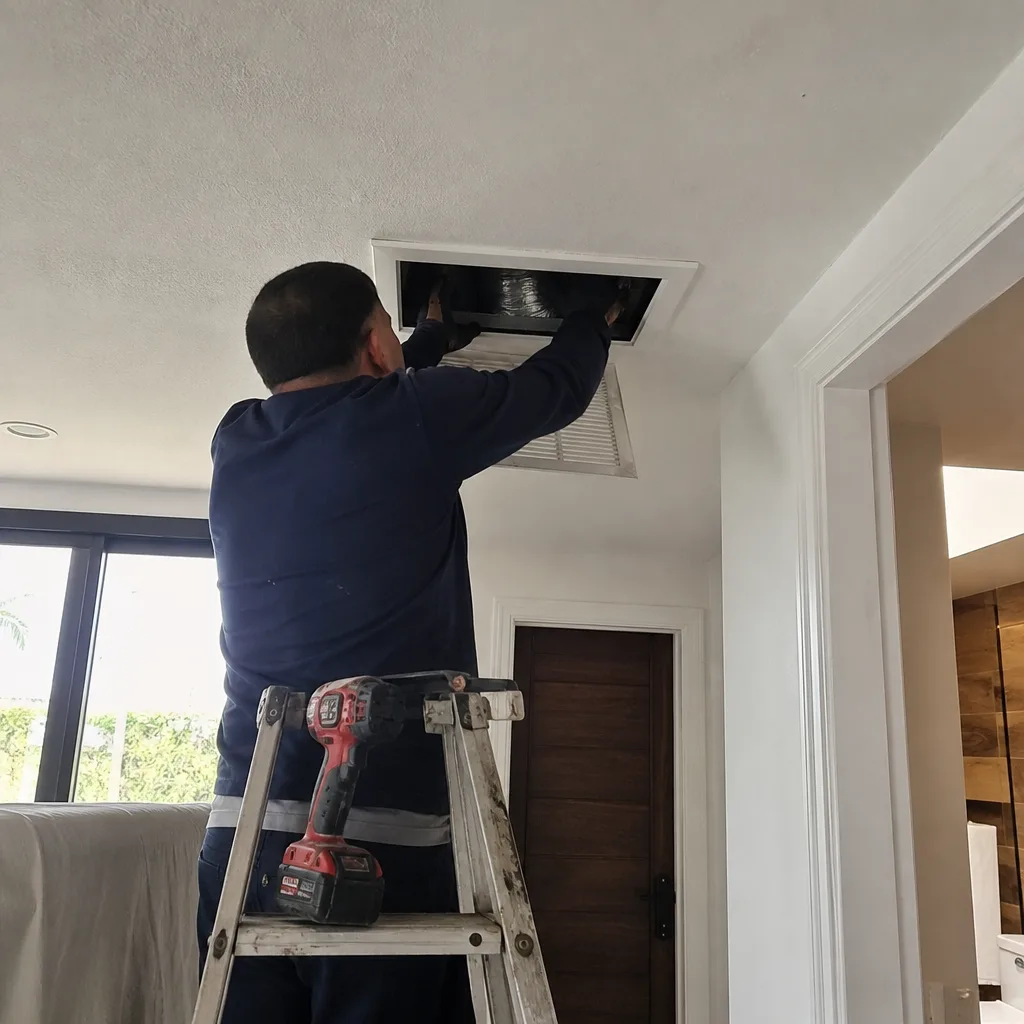 After
AfterReplacement Cost & What’s Included
For a Honeywell evaporator coil cleaning in Miami, most homes fall between $180 and $420. The range exists because no two installs are the same. A coil in a garage-mounted air handler with a clear door and an easy drain pan is on the lower end. A coil buried in a hall closet on the second floor of a New Riviera condo, where we’re working in a tight space and protecting finished floors, lands higher.
What’s included in that price: we remove the access panel, inspect the coil and drain pan, apply an aluminum-safe foam cleaner that dwells long enough to break down the grime, then rinse with low-pressure water and clean the drain line and pan while we’re in there. The price you get is the price you pay, in writing, before we start. No per-coil upcharges, no “we found mold so the price changed” at the door. The Kingswell Guarantee applies to every coil cleaning we do: if the work falls short within 365 days, we come back and make it right at no charge. That’s documented on your invoice.
Our technicians are background-checked and uniformed, and they follow The Kingswell Way on every visit: say the price, show up in the window we gave, leave the place cleaner than we found it, put the guarantee in writing, and come back if something fails. Dale Whitmore, our owner, built the company on that code, and it’s not negotiable.
DIY or Call Us?
Coil cleaning involves electrical components, refrigerant lines, and a drain pan that’s easy to crack if you put your weight in the wrong place. The safe DIY move is to check the air filter and look at the outside of the coil with a flashlight. If you see visible dust and light debris, and the system is due for service anyway, a cleaning is the right call. What we don’t recommend is pulling the panel and going after the coil with a spray bottle and a wire brush. Wrong cleaner will etch aluminum fins. Too much water pressure will fold them flat. And if you bend enough fins, you’ve turned a $250 cleaning into a coil replacement.
If your Honeywell coil hasn’t been cleaned in three years or more in Miami, call us at (850) 779-9240. We’ll give you a straight answer on what you’re looking at. Tell me what you’re seeing and I’ll tell you what it actually means, no upsell attached.
FAQs
Most residential Honeywell coil cleanings in Miami take 90 minutes to three hours, depending on access and how much buildup has accumulated. Tight closet installs and heavily fouled coils add time. We’ll give you an honest window when you book, and we show up when we said we would.
Cleaning is the repair. A coil that’s just dirty doesn’t need replacing. The exceptions are if the fins are already corroded or crushed from past damage, or if the coil has a refrigerant leak. We’ll inspect before we clean, and if the coil is beyond saving, we’ll show you exactly what we’re seeing before any work proceeds.
Yes. Our trucks carry aluminum-safe foam coil cleaner, fin combs, drain line tools, and everything needed to service Honeywell evaporator coils. For other HVAC parts, we can source Honeywell, Lennox, Trane, and Carrier compatible components through our suppliers, typically same or next day in Miami.
In Miami’s humidity, we recommend every two to three years for most homes. If you have pets, live near the coast, or run your AC ten months a year, lean toward every two. Homes with good filtration and regular filter changes can stretch to three. A coil cleaning is cheaper than the compressor it protects.
If your Honeywell system is running long, smelling damp, or just not keeping the Miami humidity in check, call (850) 779-9240 for a free estimate. We’ll give you an honest price, in writing, before any work begins.
Written by Dale Whitmore, Owner, Kestrel Air Duct Miami at Kestrel Air Duct Miami, serving Miami and nearby areas.