
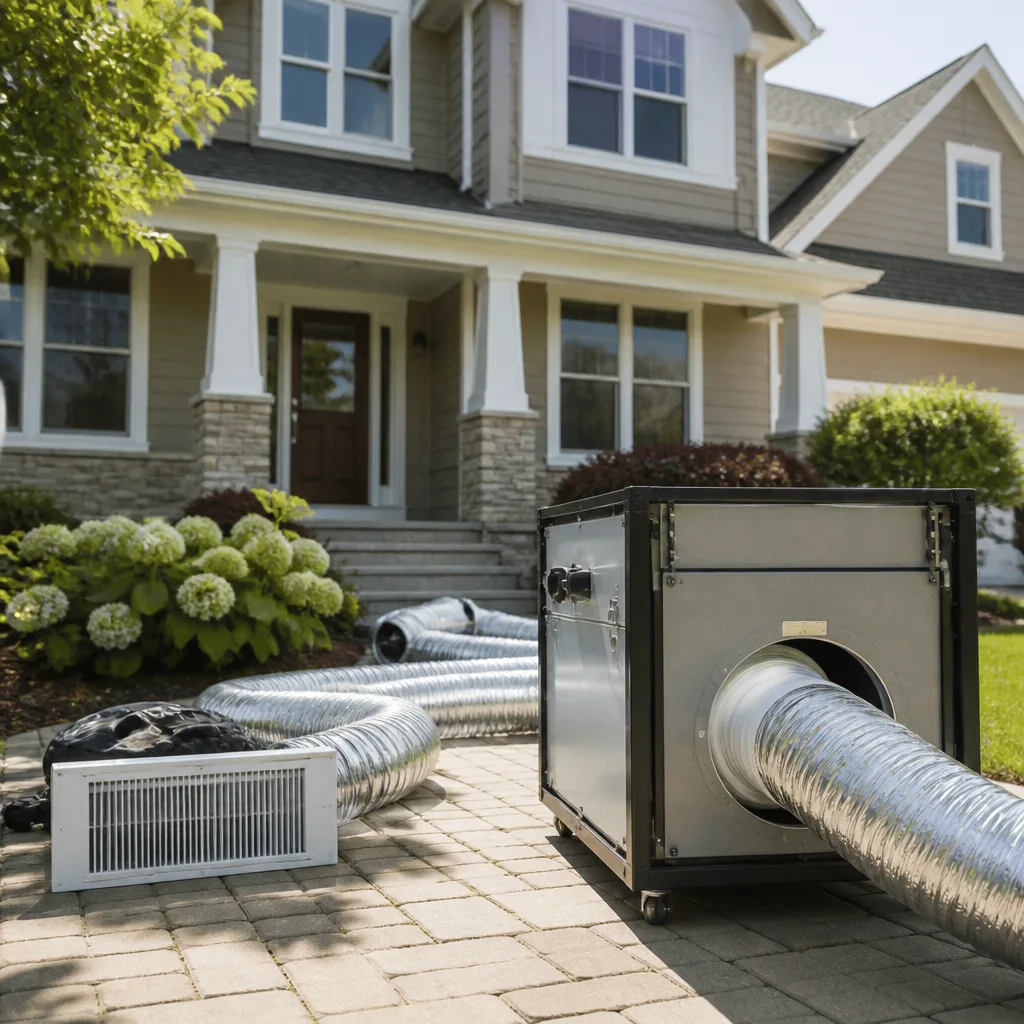
 Whole-home duct cleaning
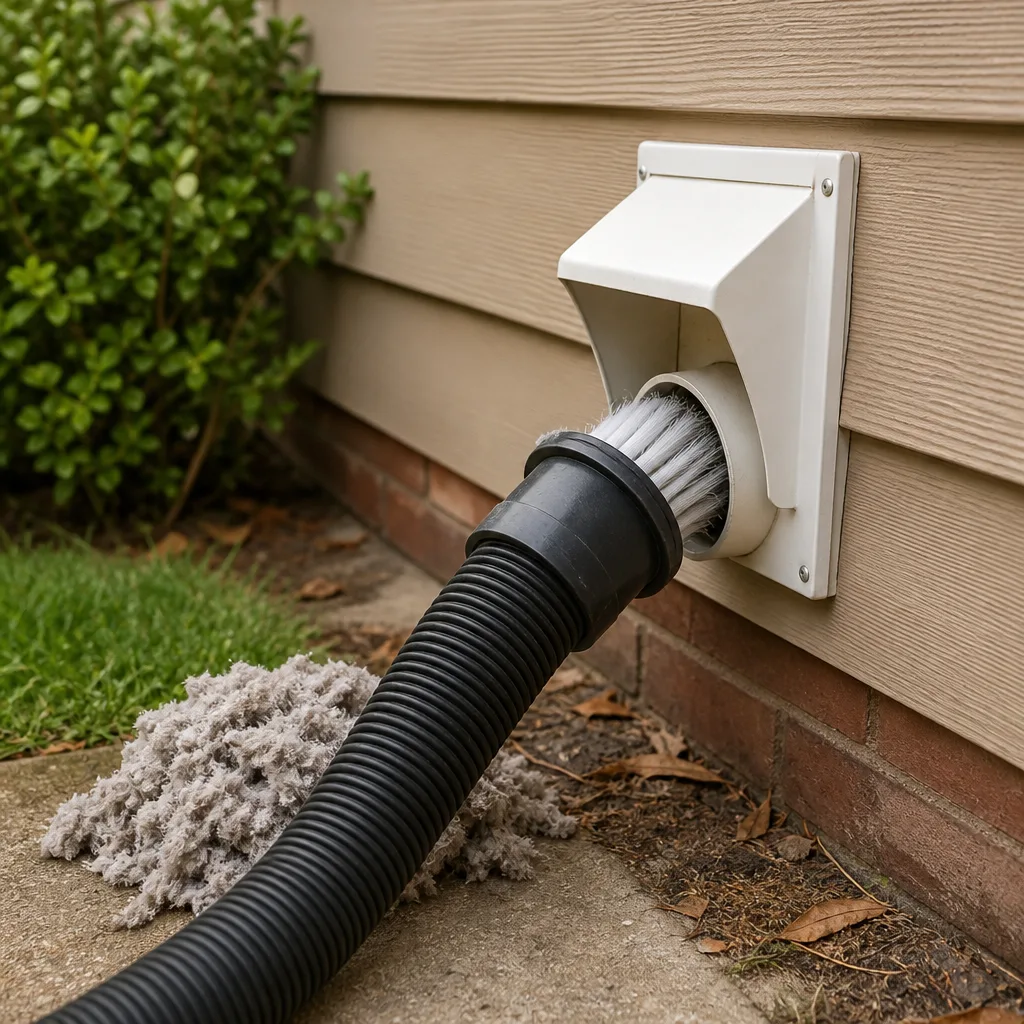 Dryer vent cleaning
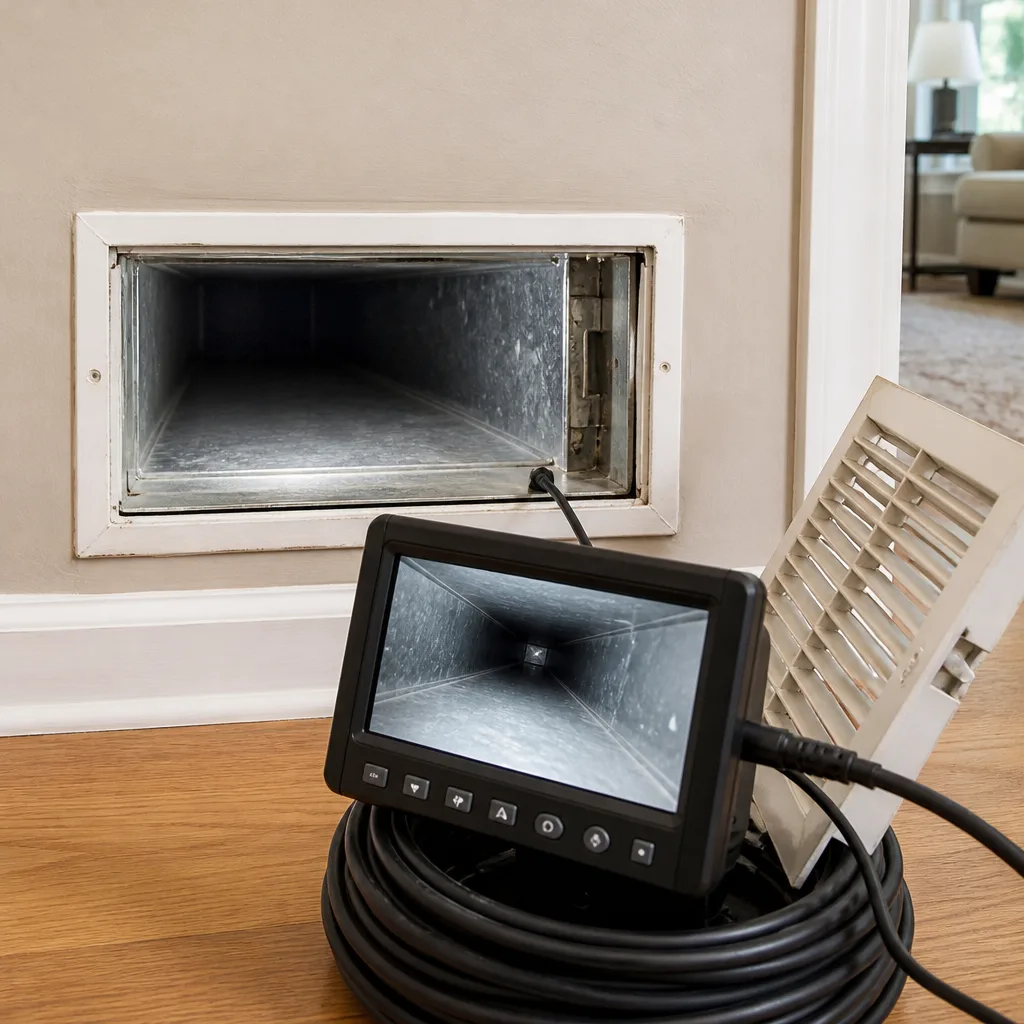 Camera inspection
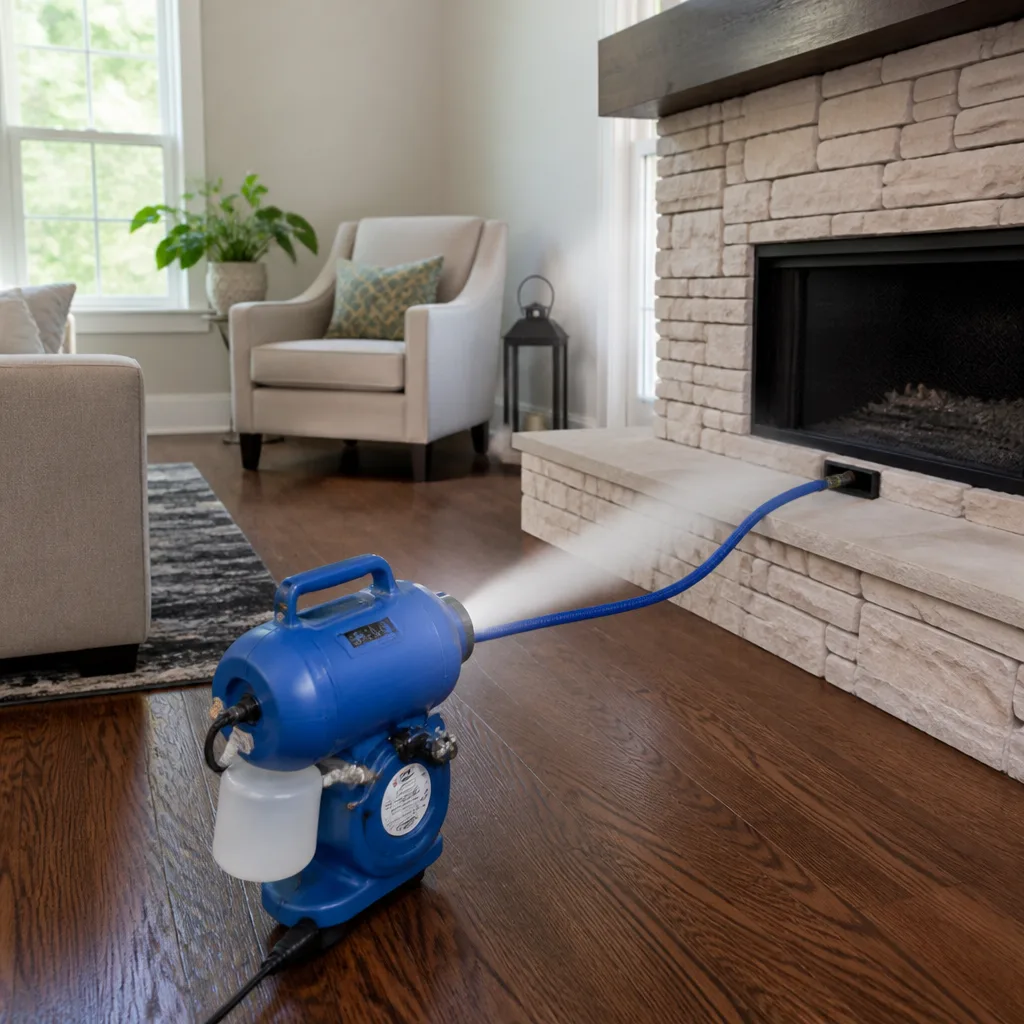 Sanitizing & deodorizing
Whole-system duct and dryer vent check with before-and-after photos - you see exactly what came out of your vents
That "$99 whole-house special" is a bait ad - the real number appears once they are in your hallway, or the "clean" is a shop-vac at the register. We photograph the inside of your ducts before and after instead.
Honeywell Duct Sealing & Repair: The Miami Owner’s Guide
We stock and install Honeywell-compatible duct sealing and repair components, with most Miami homes running between $220 and $480 for a complete sealing job depending on duct access and how much of the system needs attention. We carry the sealing tapes, mastics, and collar replacements on our trucks, so the work is usually handled in a single visit. Most homeowners discover the problem the Miami way: a musty smell that won’t quit, a room that never cools evenly, or a power bill that climbed through a July we’d all rather forget.
Honeywell’s duct sealing products, particularly their aluminum foil tapes and water-based mastic sealants, are built to close gaps at joints and connections where conditioned air escapes. What we see in Miami after years of salt air and humidity is that even well-installed seals eventually dry out, crack, or peel away from the duct wall, especially in attics where the temperature swings are brutal. When that happens, the air you paid to cool ends up in the attic instead of your living room.
Which Honeywell Models This Applies To
Honeywell’s duct sealing line is not tied to a specific furnace or air handler model the way a control board is. The sealing products are universal, which means they work across Honeywell, Lennox, Trane, and Carrier systems alike. What matters is the duct material and the joint type: round metal, rectangular trunk lines, flex duct connections, or plenum-to-branch transitions. Each takes a slightly different approach.
If you’re matching an existing seal, check the label on the product itself. Honeywell foil tapes come in widths from 2 to 3 inches, and their mastic is sold in both brush-grade and cartridge-grade viscosities. Where we see compatibility headaches in Miami is with homeowners who used a generic silicone caulk on a duct joint that flexes with thermal expansion. It fails within two seasons. Honeywell’s mastic is formulated to stay flexible, which is exactly what you need when attic temperatures swing from 60 degrees on a January night to 140 by an August afternoon.
We use OEM Honeywell sealing products when the job calls for it, and we’ll tell you plainly when a quality aftermarket equivalent does the same job for less. There is no functional difference in most cases; the difference is whether the product is applied correctly. That’s the part that actually costs you money.
Styles & brands we work with
Signs Your Honeywell Duct Sealing & Repair Is Failing
- Rooms that never match the thermostat. If your front bedroom is always five degrees warmer than the hallway, you likely have a leak at a branch duct connection. The conditioned air is bleeding into the wall cavity or attic before it reaches the register.
- A lingering musty smell when the AC first kicks on. Gaps in the return side of the duct system pull attic air into the air stream. In Miami, that attic air carries humidity, dust, and whatever the local wildlife left behind. You’re smelling outside air that never got filtered.
- Dust accumulating quickly on surfaces near vents. Return-side leaks draw unfiltered air from the attic or chase space, then push it through every register. If you dust on Sunday and it’s back by Wednesday, your ducts are inhaling where they shouldn’t.
- Higher summer electric bills without a change in usage. Even a few small gaps across a duct run can add 15 to 20 percent to your cooling cost. Dale Whitmore has walked enough Miami attics to tell you directly: most leaky systems are leaking in five or six places, not one.
- Visible peeling tape or cracked mastic at exposed duct joints. If you can see the failure in a utility closet or garage ceiling, there are almost certainly more failures in the attic you can’t see. Visible damage is the tip of it.
See the difference
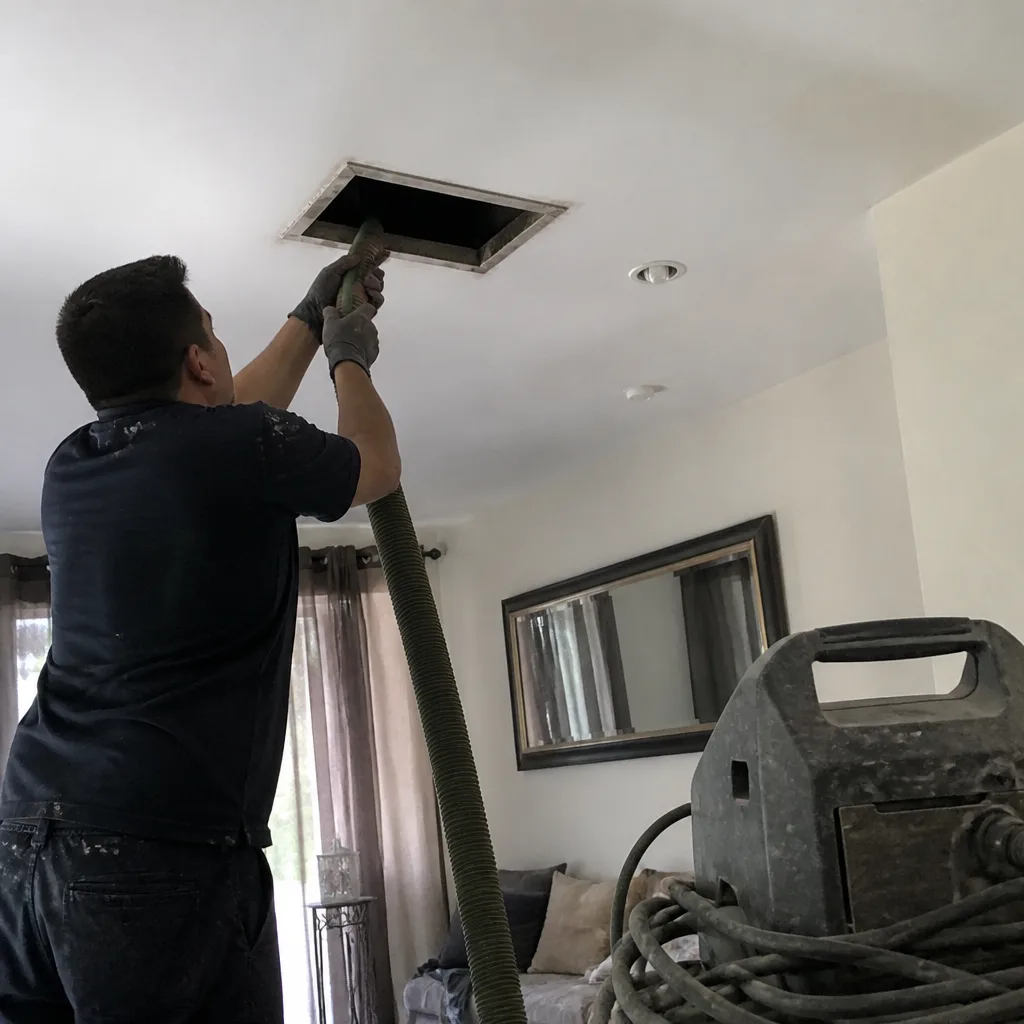 Before
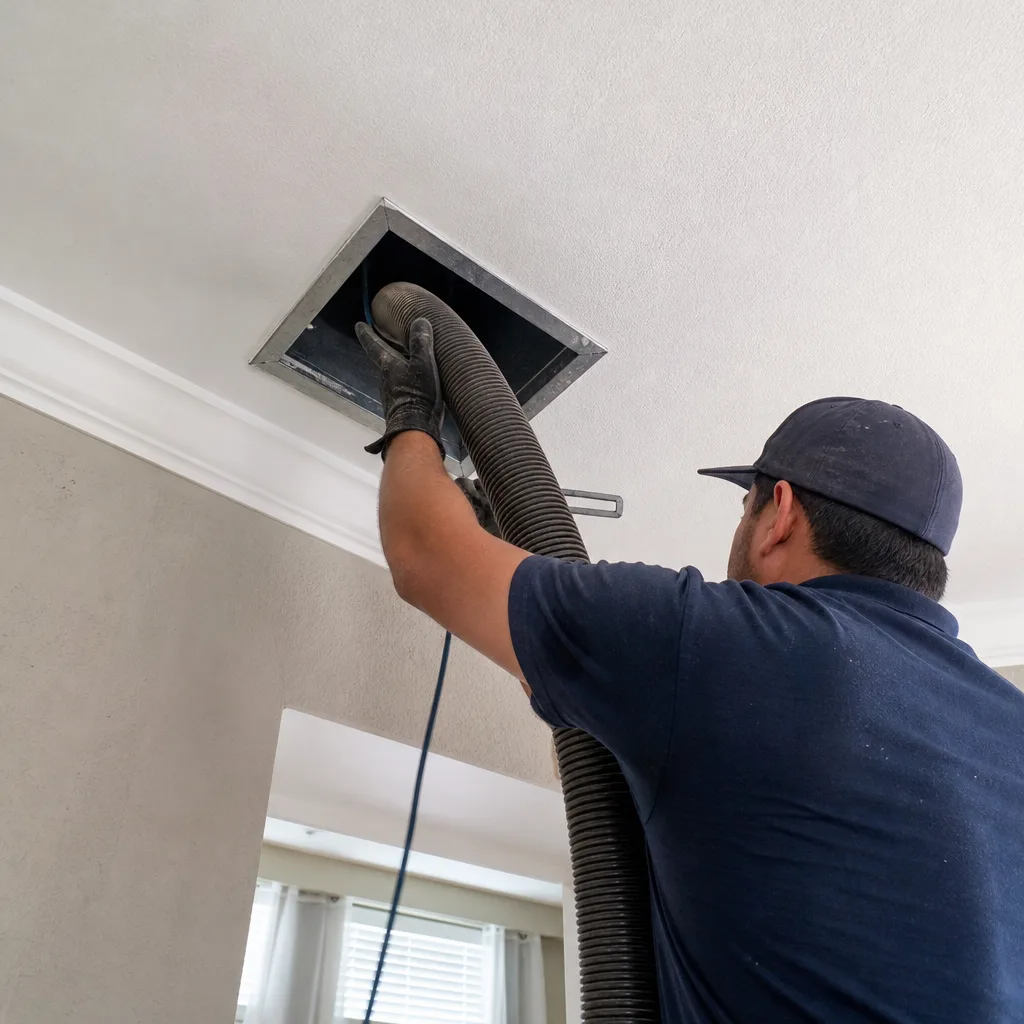 After
After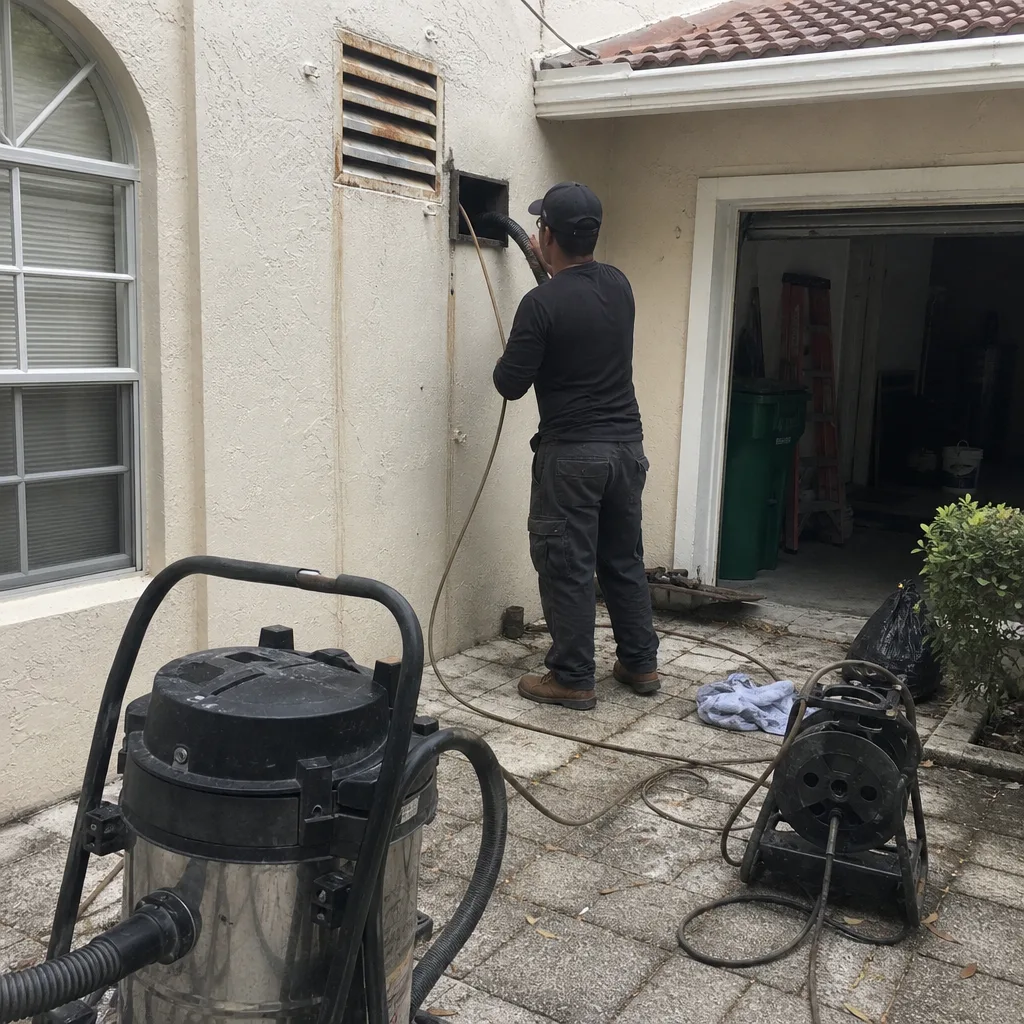 Before
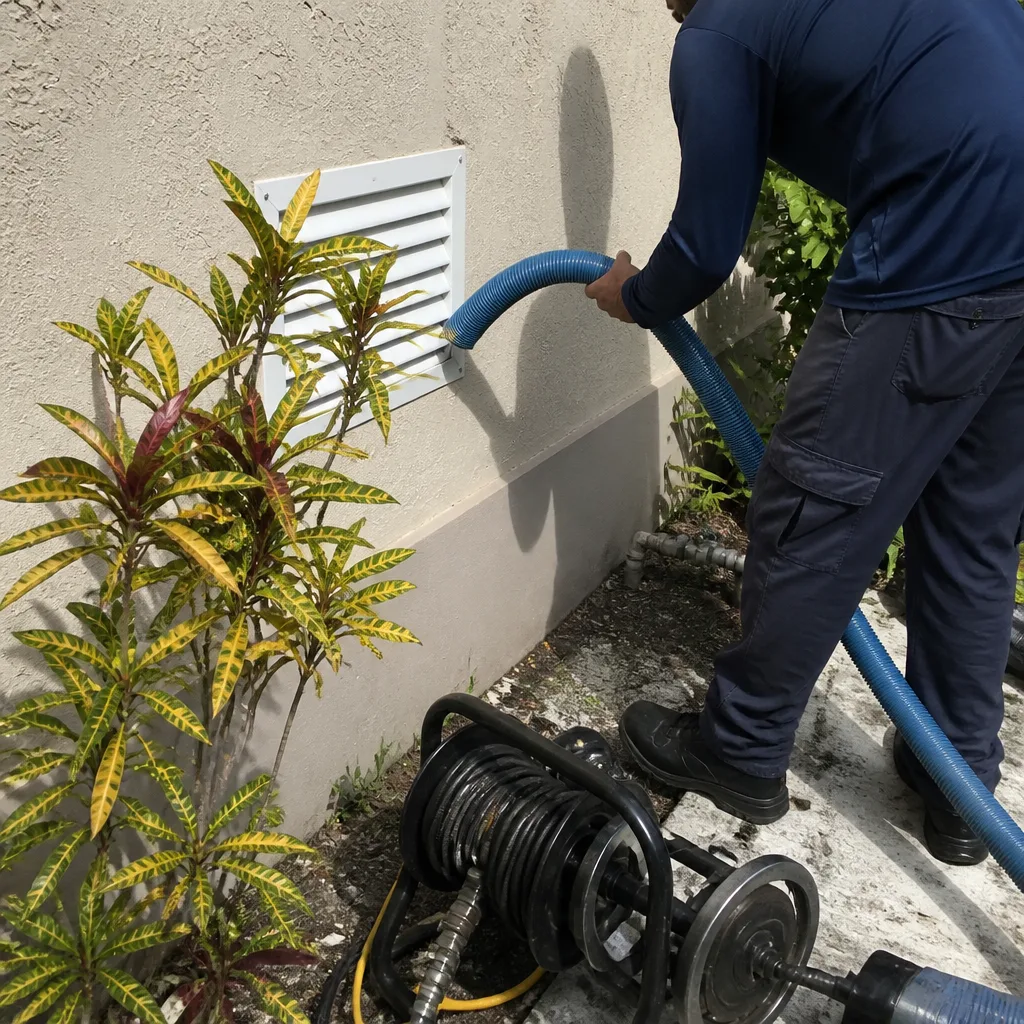 After
After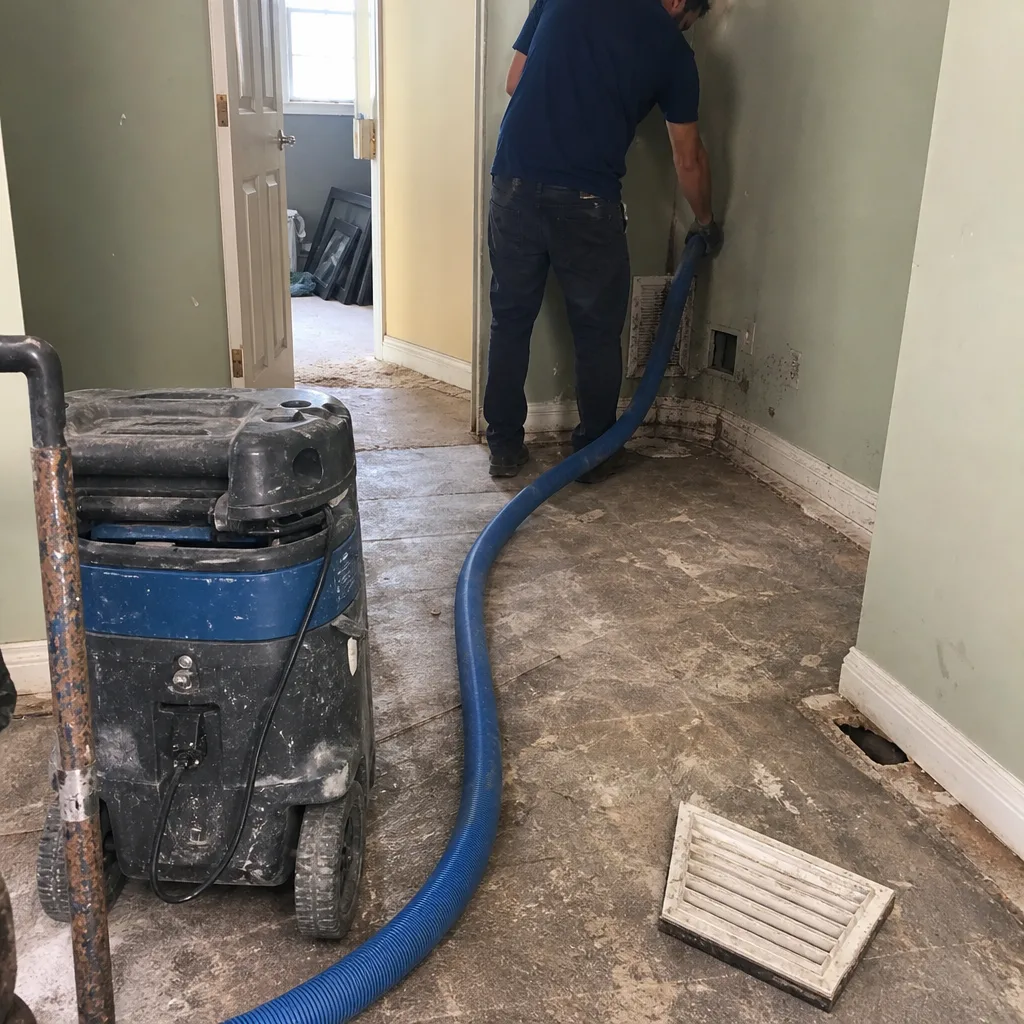 Before
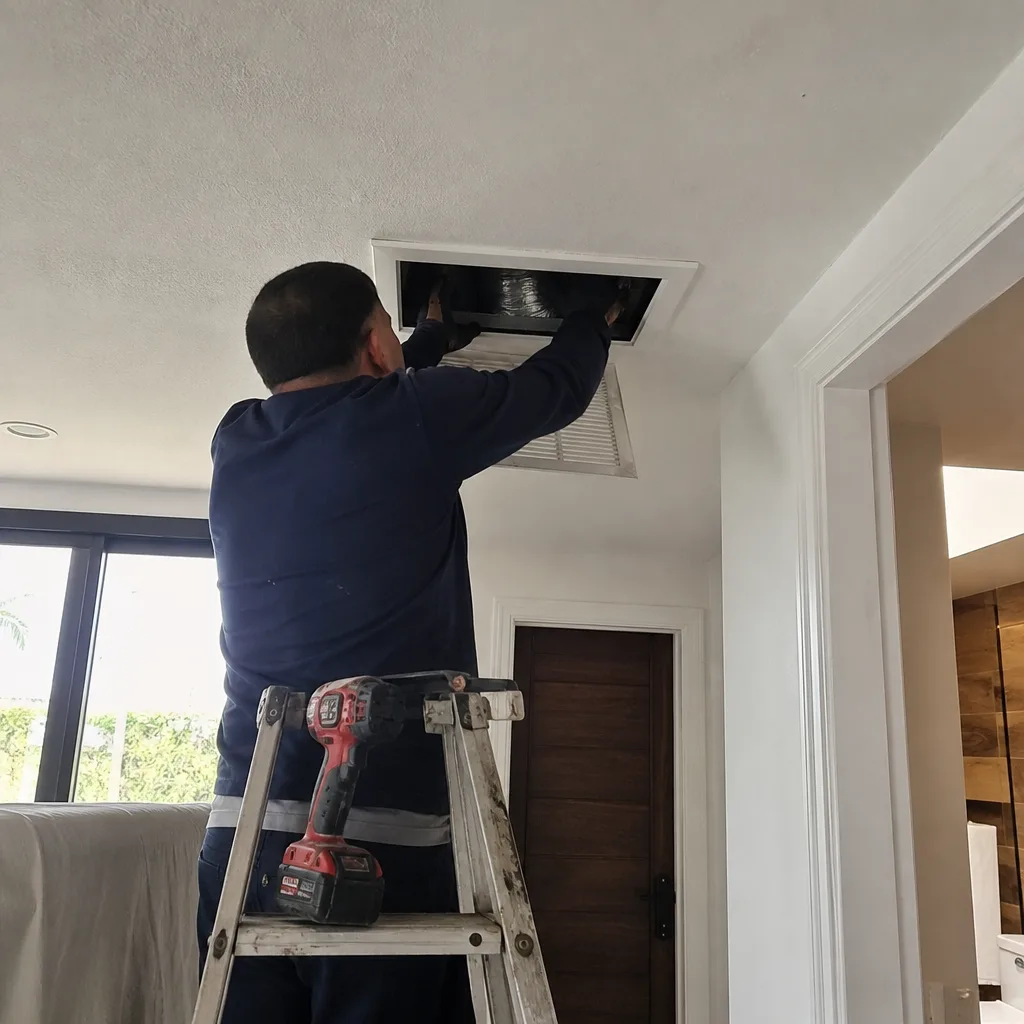 After
AfterReplacement Cost & What’s Included
Here’s what we charge in Miami, in real numbers, so you know before you call:
| Job Scope | Typical Price Range |
|---|---|
| Single duct joint reseal (visible, accessible) | $120 – $180 |
| Full attic system inspection and sealing (up to 12 joints) | $320 – $480 |
| Return plenum reseal with mastic and tape | $180 – $260 |
| Flex duct collar replacement (per collar) | $45 – $75 |
Every price includes the parts, the labor, and the cleanup. We write the number down before work starts, and that number doesn’t change. The work carries our 365-Day Done Right Promise in writing: if a seal fails within a year, we return and redo it at no charge. That’s not a courtesy, it’s the Kingswell Guarantee, and it’s been the standard since 2004.
DIY or Call Us?
There is a safety element here worth saying plainly: duct work in a Miami attic is hot, cramped, and often surrounded by loose insulation that hides joists and electrical runs. Falling through a ceiling is a real outcome, and we’ve repaired enough homeowner punctures in drywall to know it happens more than people admit. That said, there are things you can safely check yourself.
If you have exposed duct in a garage, utility closet, or crawl space, you can inspect the visible joints for peeling tape, cracked mastic, or gaps where the duct meets the collar. You can feel for air movement with the system running. What you should not do is crawl into a tight attic with a hot duct system and start pulling insulation apart. That’s where DIY goes wrong. If you find a suspect joint, call us at (850) 779-9240. We’ll give you a straight read on what it needs and what it costs. Tell me what you’re seeing and I’ll tell you what it actually means – no upsell attached.
FAQs
Properly applied Honeywell mastic and foil tape typically last 8 to 12 years in Miami’s climate, though attic installations run closer to 6 to 9 years because of the extreme heat cycling. A joint sealed in a conditioned closet will outlast the same joint sealed in a 140-degree attic. Our 365-Day Done Right Promise covers the work for a full year, and if a seal fails inside a decade, we’ll tell you honestly whether it was the product or the environment before we quote anything. Call (850) 779-9240 for an exact assessment.
In most cases, a failed seal can be cleaned and reapplied without replacing the duct section. We scrape the old mastic and tape, hit the joint with a cleaner, and apply fresh material. Full replacement is only necessary when the duct collar itself has corroded or the duct wall has separated, which we do see in older Miami homes within a few miles of the coast.
Most residential sealing jobs take between two and four hours, depending on how many joints need attention and how accessible the duct runs are. A single joint in a garage can be done in under an hour. We’ll give you a defined arrival window and the work finishes the same visit, right down to the cleanup.
Yes. Our trucks carry Honeywell foil tapes in multiple widths, brush-grade and cartridge-grade mastic, and common flex duct collars. Most sealing and repair jobs are completed in one visit because the parts are already on the vehicle when we pull up to your home in Miami.
If your Honeywell duct sealing has failed and you want a fixed price in writing before any work begins, call us at (850) 779-9240. A live person answers, day or night. We’ll ask what you’re seeing, give you an honest read, and set a window we’ll actually keep. That’s the Kingswell Way, and it’s how we’ve operated since 2004.
Written by Dale Whitmore, Owner, Kestrel Air Duct Miami at Kestrel Air Duct Miami, serving Miami and nearby areas.