
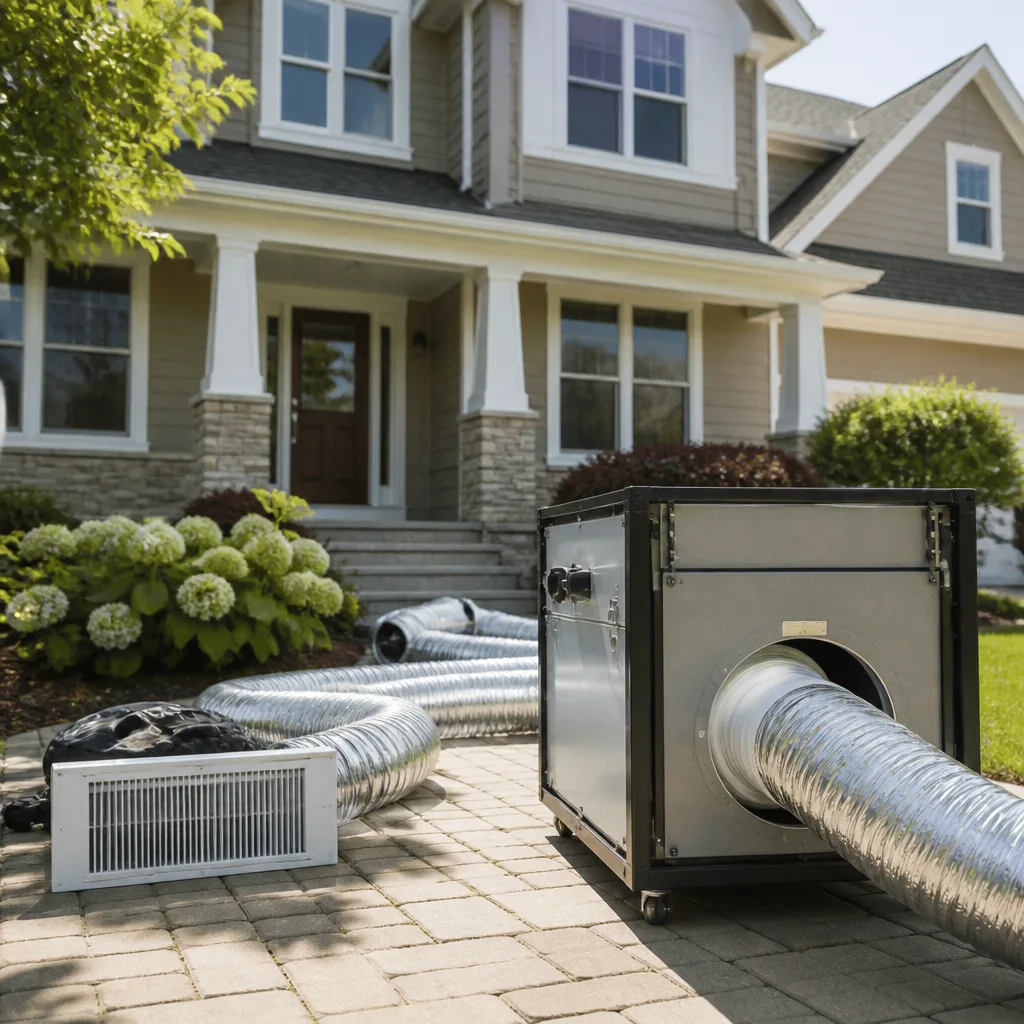
 Whole-home duct cleaning
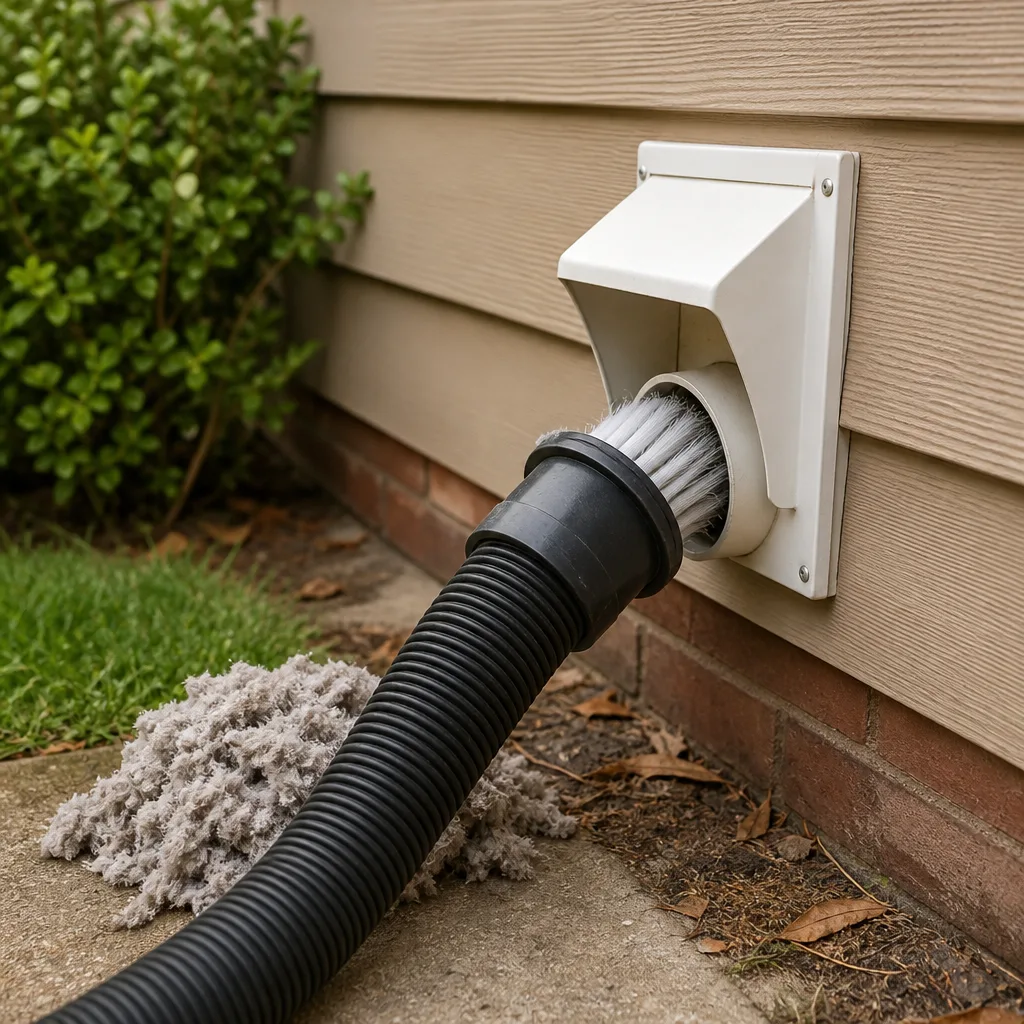 Dryer vent cleaning
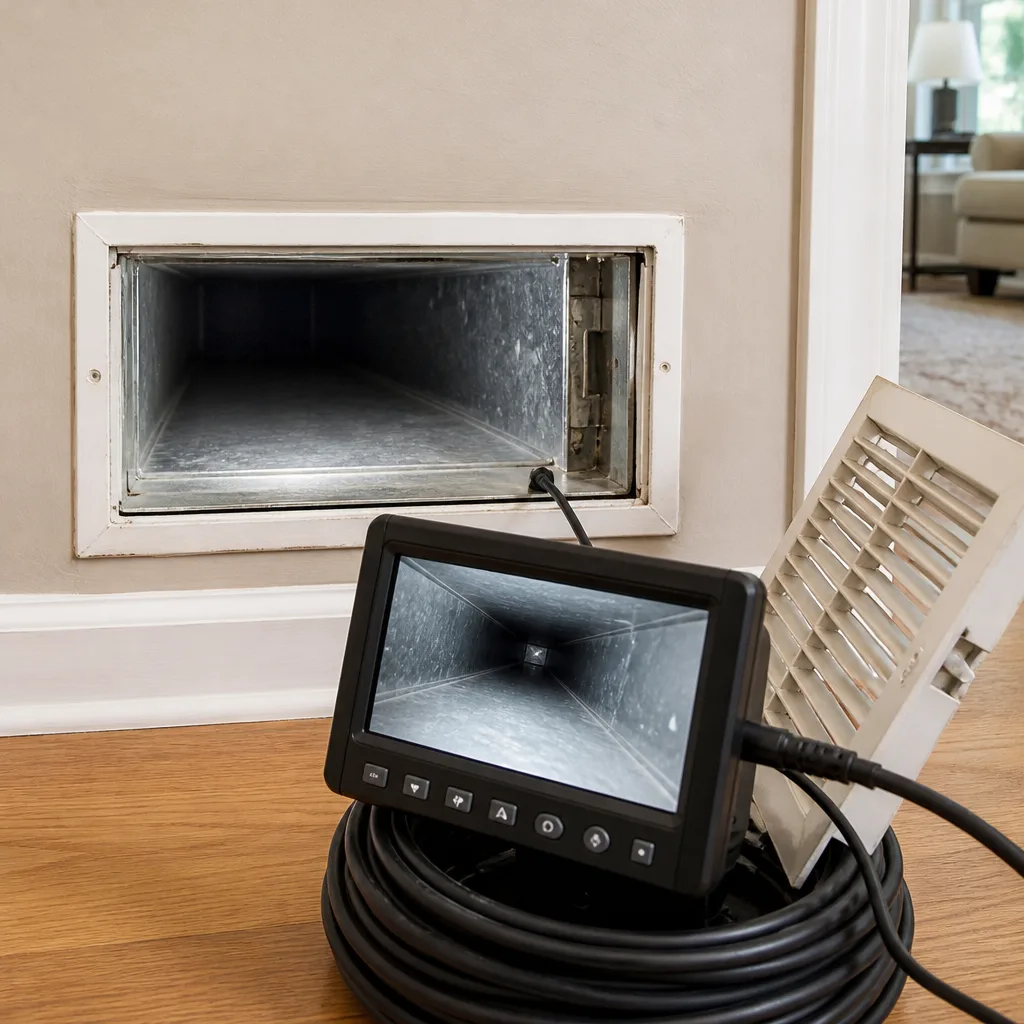 Camera inspection
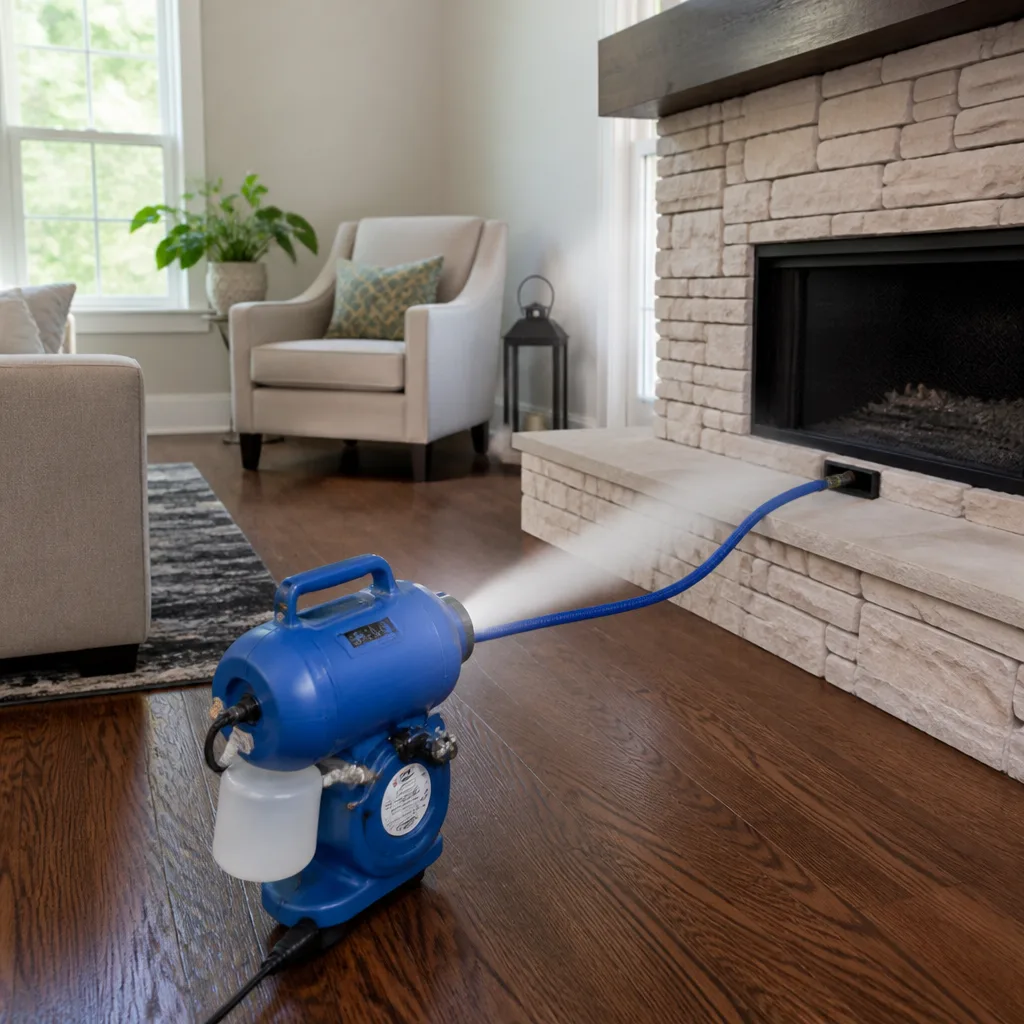 Sanitizing & deodorizing
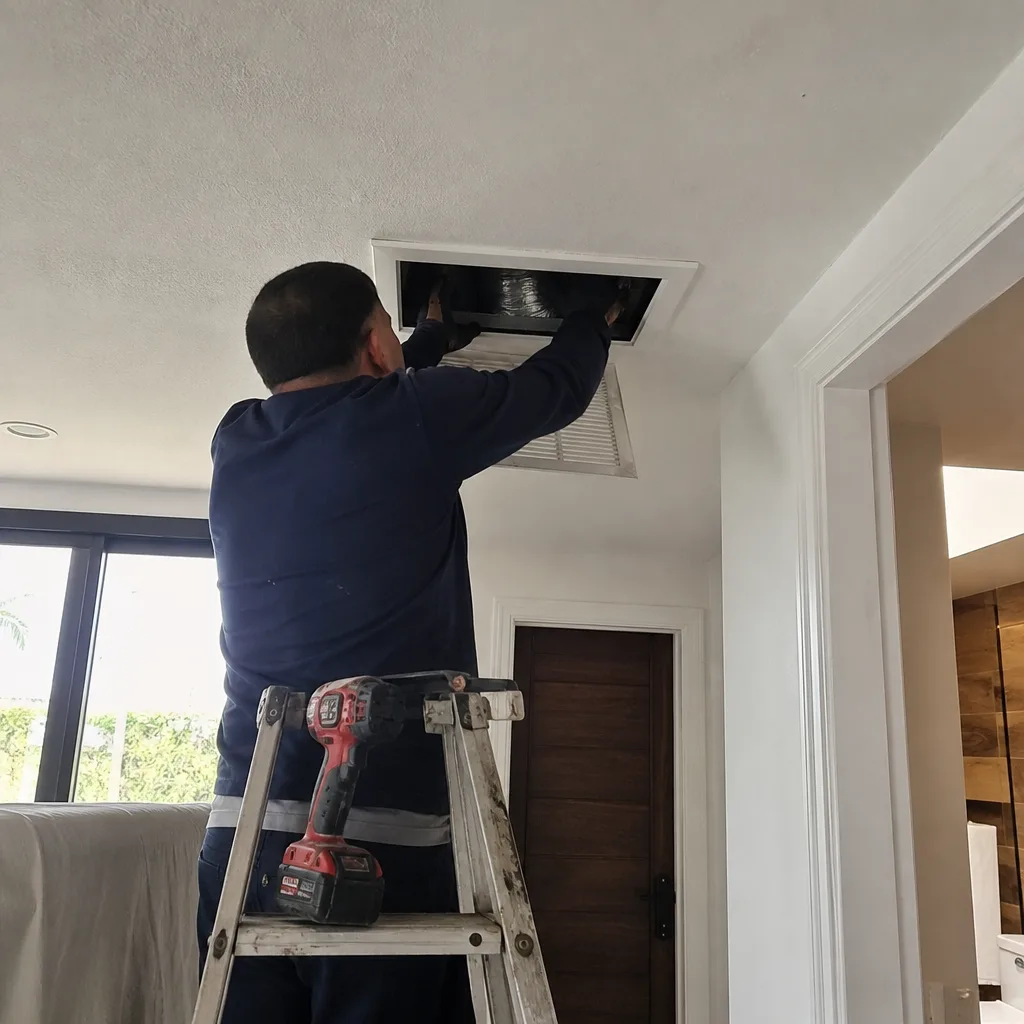
Whole-system duct and dryer vent check with before-and-after photos - you see exactly what came out of your vents
That "$99 whole-house special" is a bait ad - the real number appears once they are in your hallway, or the "clean" is a shop-vac at the register. We photograph the inside of your ducts before and after instead.
Nikro Duct Sealing & Repair: The Miami Owner’s Guide
We stock and install Nikro-compatible duct sealing and repair components for Miami homes, with most sealing and access-panel replacements running between $275 and $650 installed, depending on what’s failed and how much of the duct run needs attention. If your negative-pressure setup is losing suction at the canister hatch, a gasket has gone brittle, or a sealing ring no longer seats flush, we can usually get the part matched and the system back online the same week. Most owners discover the failure mid-job, when the machine suddenly pulls less air and fine dust starts escaping around a seal that used to hold tight.
In Miami’s humidity, Nikro gaskets and sealing surfaces age faster than the motor or the housing. The foam and rubber compounds absorb moisture, soften, and eventually lose their spring. What starts as a whisper of air at the hatch becomes a full bypass within a few months. Dale Whitmore has seen this pattern enough times across Coral Gables, Kendall, and the neighborhoods near Brickell that he keeps the most common Nikro sealing parts stocked on the truck before we even roll out.
Which Nikro Models This Applies To
Nikro builds its negative-air and duct-cleaning systems around a shared sealing architecture, so the gaskets, hatch seals, and access-panel rings we install fit across most of the manufacturer’s current and recent production lines. The key is matching the part to the canister diameter and the seal channel profile, not just the model name on the label. We see this on everything from compact residential units to larger commercial extraction systems that Miami restoration crews run daily.
Before you order anything online, check the data plate on the housing. You’ll find a model designation and a serial number, and the gasket channel itself is usually marked with a molded size code. Measure the inside diameter of the seal channel with a tape measure, not a ruler pressed against the outside lip. That half-inch difference between the outer flange and the actual channel is the most common reason DIY buyers end up with a gasket that’s too large and folds over on itself, which creates the exact air leak they were trying to fix. OEM Nikro sealing components cost more but use a denser, slower-compressing foam compound. Quality aftermarket equivalents work fine when they’re cut to the same channel dimensions, but we always verify the durometer rating before installing anything aftermarket in a Miami attic, where heat cycles punish softer compounds. We are an independent service provider and not affiliated with Nikro Industries, but we work with these parts daily and stock the sizes we most commonly see on the job.
Styles & brands we work with
Signs Your Nikro Duct Sealing & Repair Is Failing
- Loss of negative pressure at the canister. You hear the motor running at full speed but the suction gauge reads lower than it did last month, and debris isn’t being pulled through the hose with the same force. The first culprit is usually a hatch gasket that’s flattened and no longer compressing against the rim.
- Dust escaping around the access hatch during operation. When the unit is running, you can feel air moving near the hatch edge or see a fine dust pattern settling on the housing around the seal. That means the seal has failed enough to let pressurized air bypass it, and whatever’s in the duct is now entering the room instead of the collection bag.
- Visible cracks, flattening, or shrinking in the gasket material. Open the hatch and run a finger along the gasket. If it feels hard instead of springy, or if you can see light through gaps where the gasket has pulled away from the channel, it’s done. In Miami’s humid air, this is a three-to-five-year wear item on a machine used weekly.
- The hatch or access panel no longer seats flush. You close the hatch and latch it, but one corner sits higher than the other. The gasket has compressed unevenly, usually from heat exposure on one side of the machine. Latching it harder doesn’t fix the leak and eventually bends the latch hardware.
- Higher noise level with less suction. A whistling or hissing sound from the hatch area at full throttle means air is being pulled through a gap rather than down the hose. The machine works harder and moves less air, and the motor runs hotter, which shortens its life.
See the difference
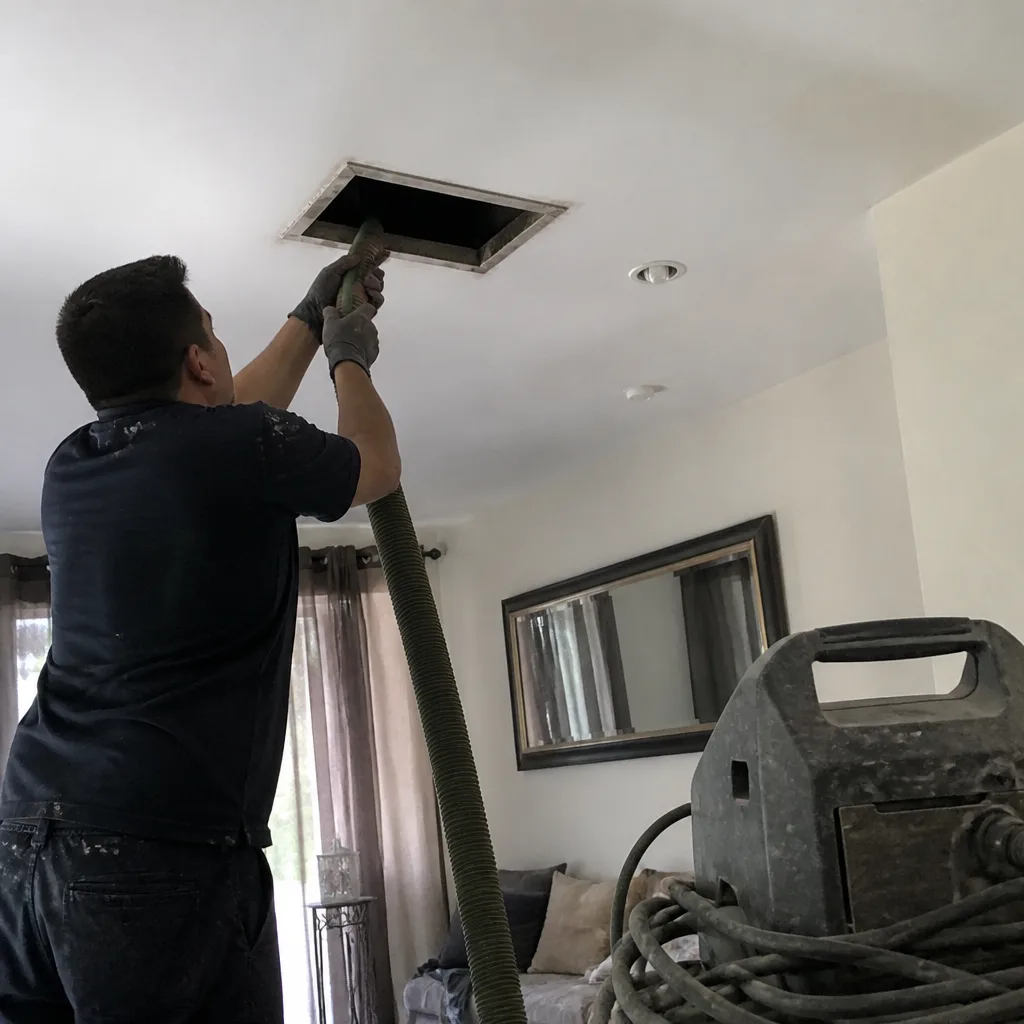 Before
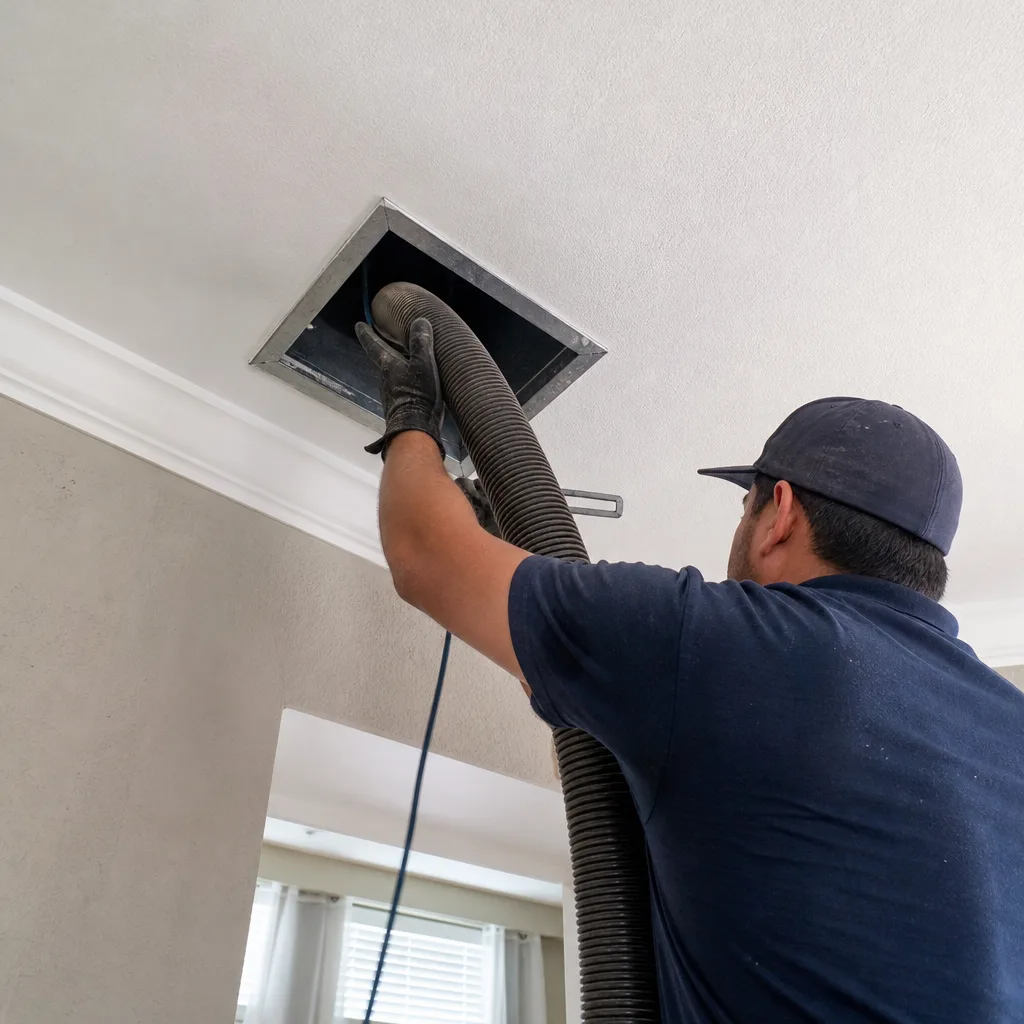 After
After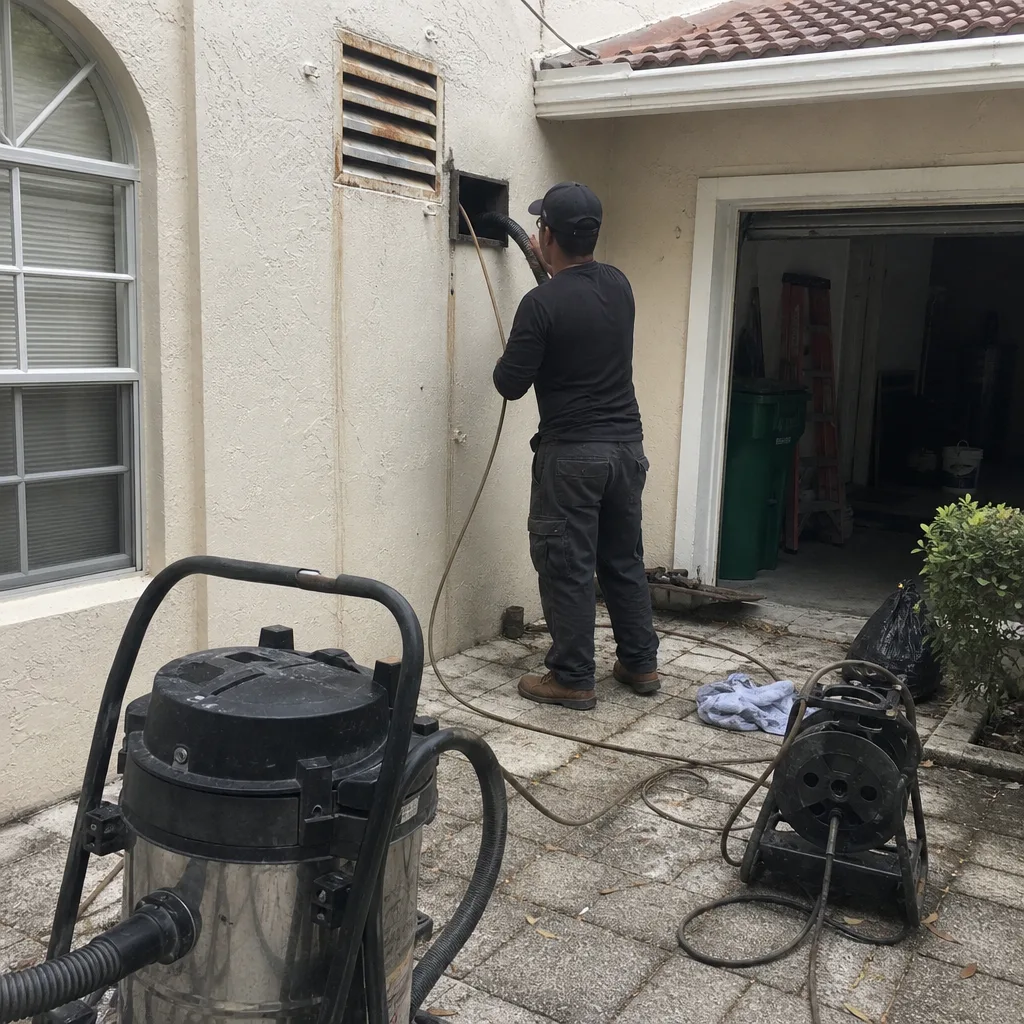 Before
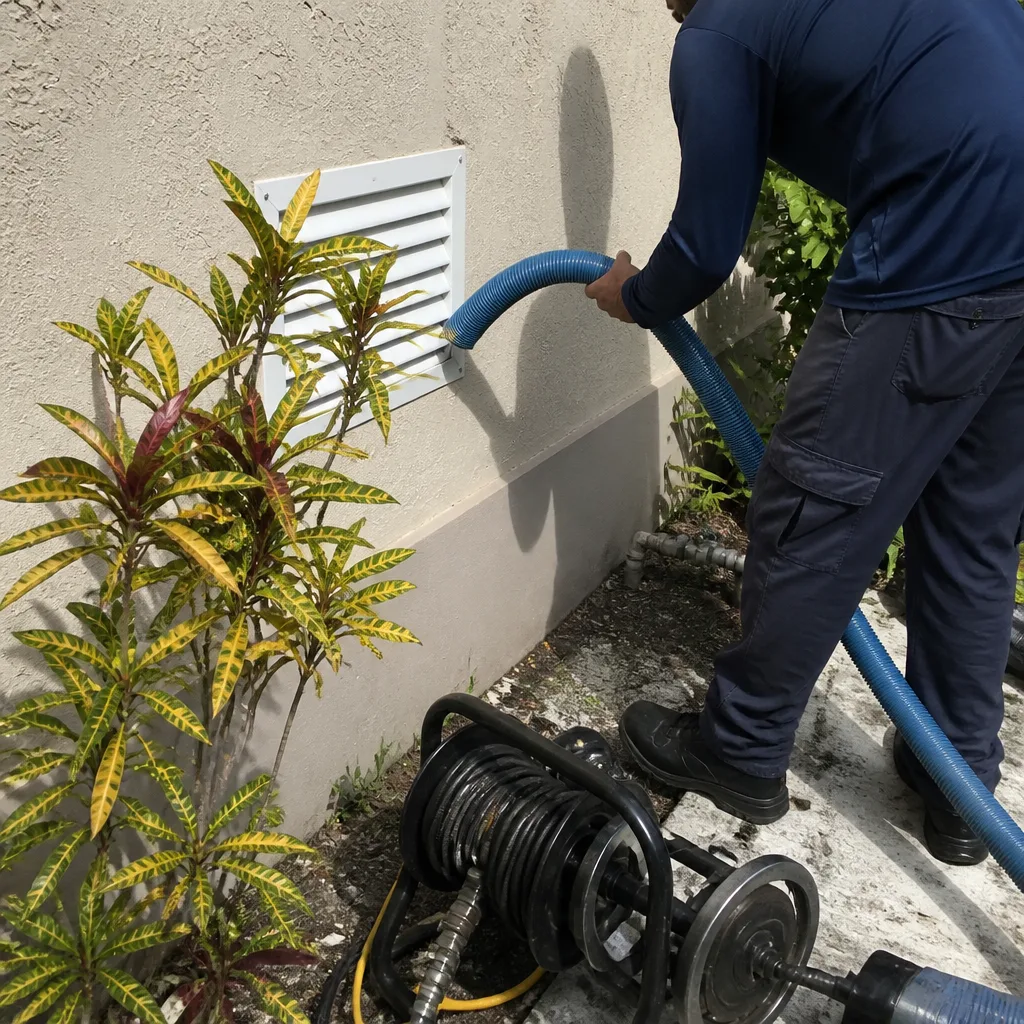 After
After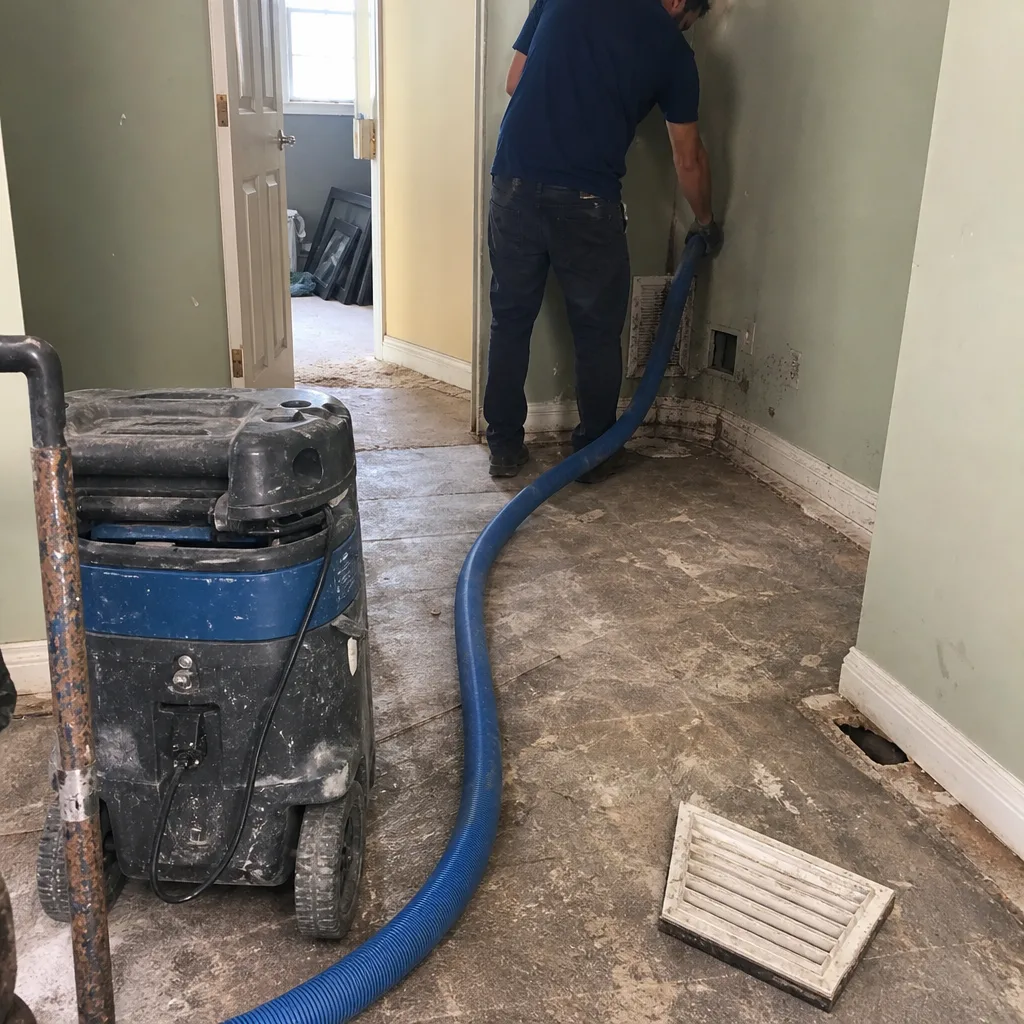 Before
 After
AfterReplacement Cost & What’s Included
For most Miami homes, replacing a Nikro hatch gasket, seal ring, and any worn access-panel hardware runs between $275 and $650 installed. The spread comes down to three things: how many sealing surfaces have failed, whether the canister rim itself needs cleaning and resurfacing before the new gasket seats properly, and whether we’re also replacing the hose coupling seals, which tend to fail at the same time. We write the price down before any work starts, and that’s the number on the invoice. No door-step revisions.
The price includes the OEM or matched aftermarket seal, removal of the old gasket and adhesive, channel cleaning and prep, installation, and a test run under full negative pressure to confirm the seal holds. Every Nikro sealing repair falls under our 365-Day Done Right Promise: if the seal fails within the first year, we return and make it right at no charge. That’s in writing, on every job, the same way it’s been since 2004 under the Kingswell Guarantee. Call (850) 779-9240 and tell us what you’re seeing and we’ll give you a real number before you commit.
DIY or Call Us?
You can safely inspect the gasket yourself. Pop the hatch, run a finger along the seal, check for flattening, cracking, or gaps. That’s useful information and it tells us what to bring. Replacing the seal is where most DIY attempts go wrong, because the channel prep work matters more than the gasket itself. If old adhesive and compressed foam remain in the channel, the new gasket sits high on one side and the leak persists. We use a solvent that dissolves the old adhesive without scoring the aluminum, then seat the new gasket with even tool pressure around the full circumference.
There’s no electrical hazard in a hatch gasket swap and the work is not dangerous in the way a tension spring is, so if you have the patience and a clean channel is assured, a careful owner can do this. But if the rim is pitted, the seal channel is deformed, or you’re also seeing issues at the hose coupling, call us. We’ll match the part correctly the first time and the repair carries the written guarantee. (850) 779-9240.
FAQs
In Miami’s humidity, a Nikro hatch gasket on a regularly used machine typically lasts three to five years before heat and moisture degrade the foam enough to cause air leaks. Machines stored in unconditioned garages or attics lose their seals faster, sometimes within two years. If you use the unit daily for commercial work near Brickell or the restoration corridors around Doral, plan on replacing the gasket every two to three years. Call (850) 779-9240 and we’ll tell you what your specific machine’s seal looks like and whether it’s time.
No, not in any way that holds negative pressure. Adhesive patches, silicone fill, and reconditioning sprays all fail within days under sustained suction because the material has lost its compression memory. The gasket’s job is to spring back every time you close the hatch, and once the foam stops doing that, replacement is the only fix that works. We stock the common Nikro sizes and can usually get a correct match installed the same week.
A single hatch gasket and seal ring replacement takes about an hour on site, including channel cleaning, adhesive removal, installation, and a test run under full negative pressure. If we’re also replacing hose coupling seals and resurfacing the canister rim, allow two hours. We schedule a defined arrival window and show up in it, per the Kingswell Way values that govern every visit.
We stock the most common Nikro hatch gaskets, seal rings, and access-panel hardware on the truck for the machine sizes we see across Miami homes. For less common series or larger commercial canisters, we source the part through our supplier network and schedule the install once it arrives. We also work with Lennox, Trane, and Carrier components in the same duct-system repair context when the sealing issue sits at the unit connection rather than the machine itself.
Written by Dale Whitmore, Owner, Kestrel Air Duct Miami at Kestrel Air Duct Miami, serving Miami and nearby areas.