
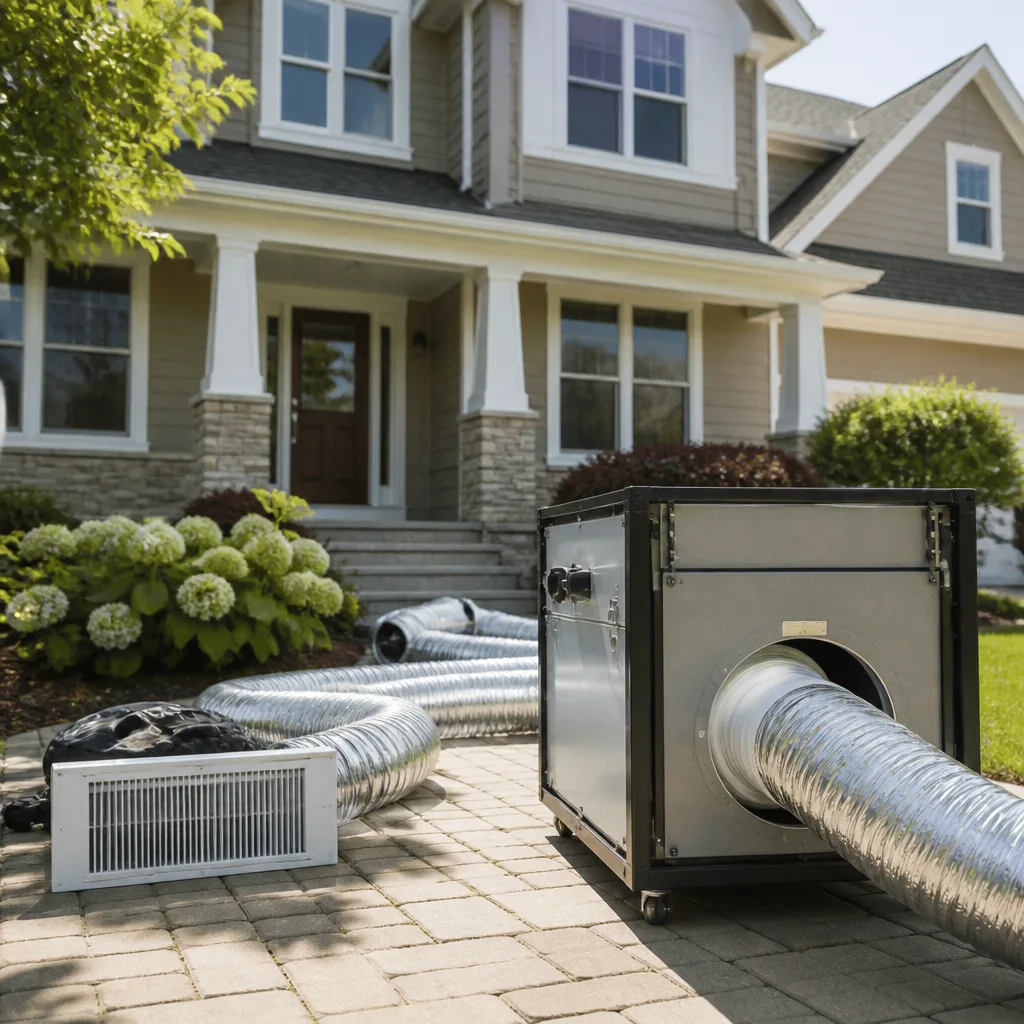
 Whole-home duct cleaning
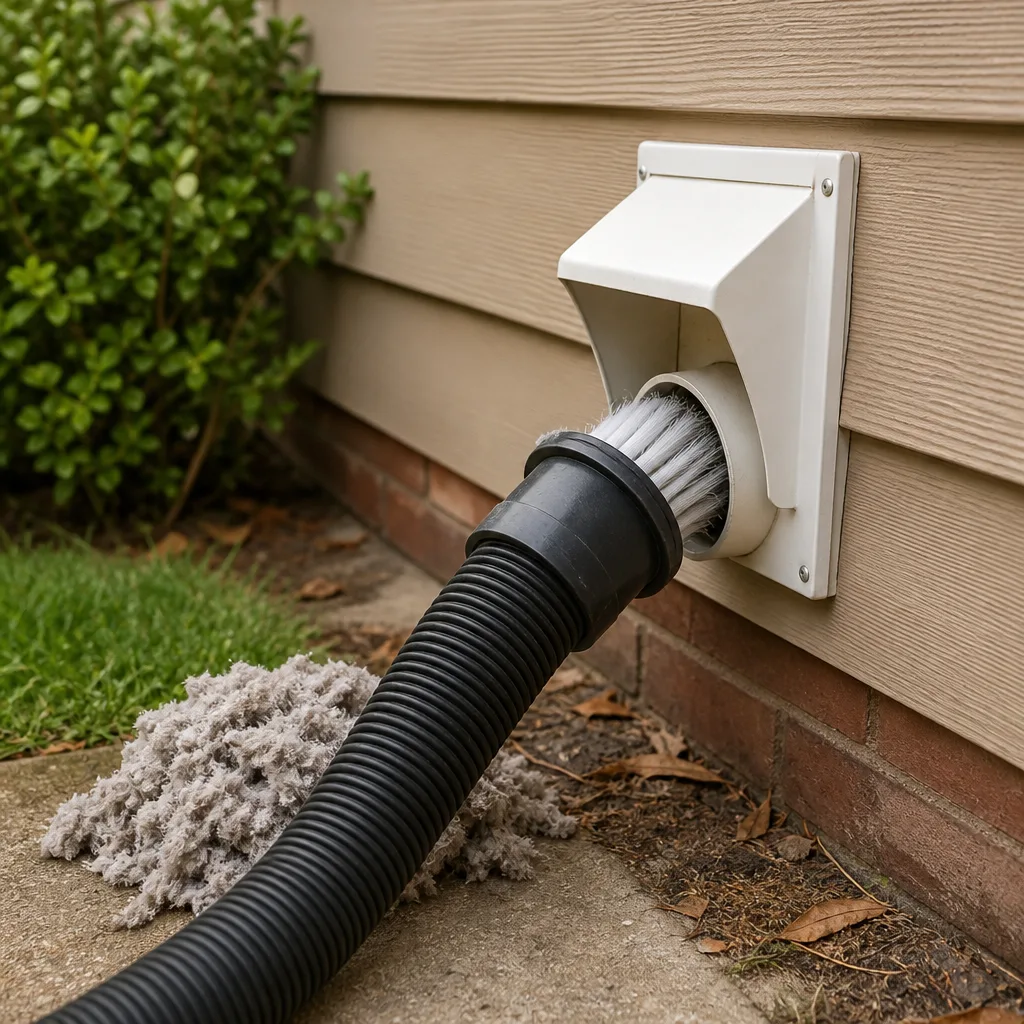 Dryer vent cleaning
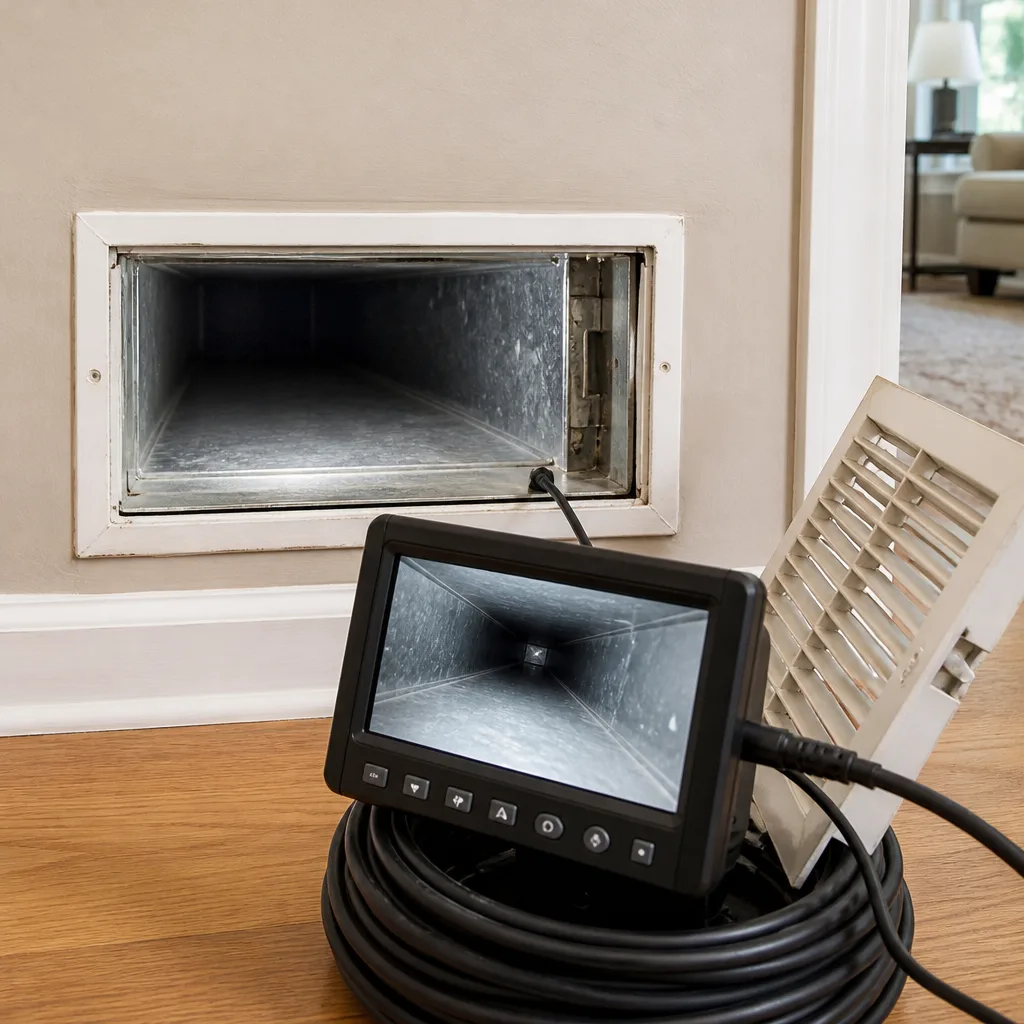 Camera inspection
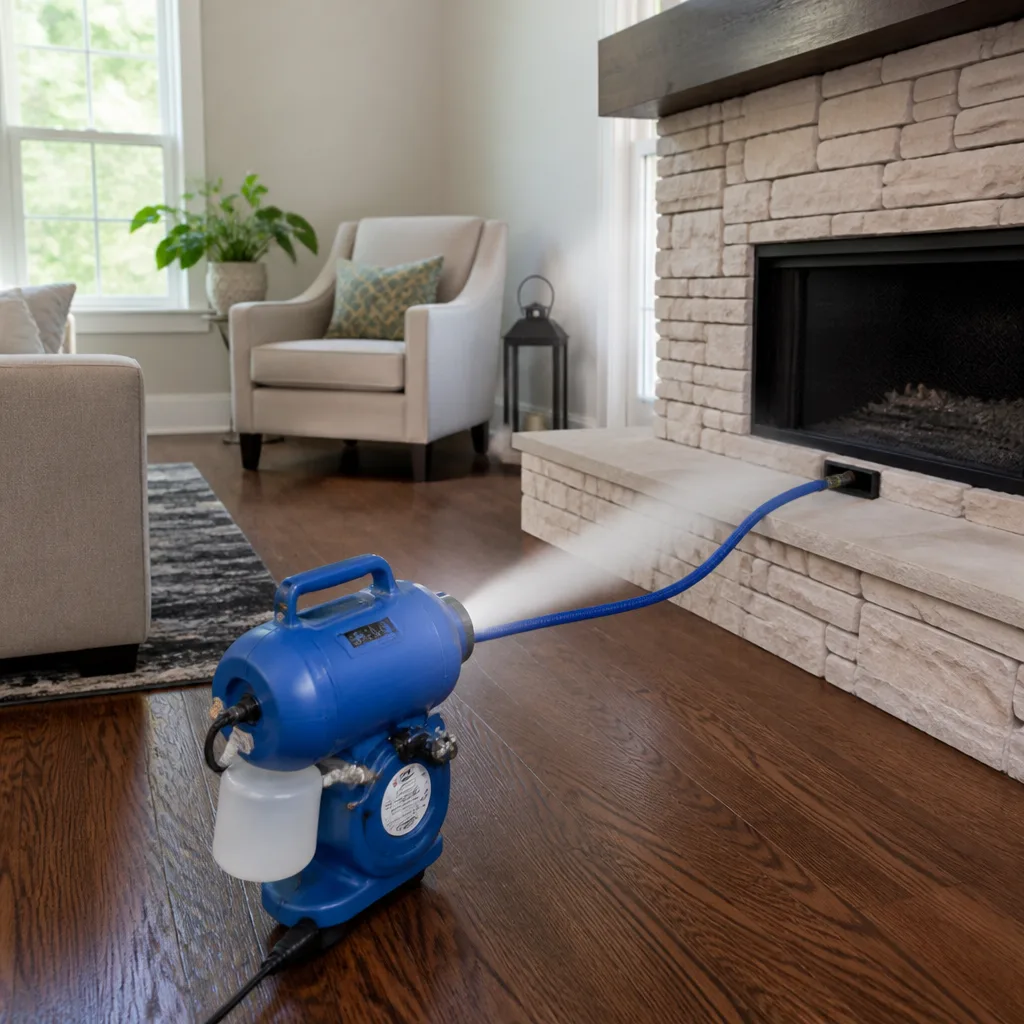 Sanitizing & deodorizing
Whole-system duct and dryer vent check with before-and-after photos - you see exactly what came out of your vents
That "$99 whole-house special" is a bait ad - the real number appears once they are in your hallway, or the "clean" is a shop-vac at the register. We photograph the inside of your ducts before and after instead.
Rotobrush Duct Sealing & Repair: The Miami Owner’s Guide
We stock Rotobrush-compatible duct sealing components and repair parts for most residential Rotobrush systems, with typical installed repair jobs in Miami running between $285 and $640 depending on what failed and how much of the duct run needs attention. Most repairs are done the same day we arrive, provided we have the part on the truck – and for common Rotobrush failure points, we usually do. Owners typically discover a problem with their Rotobrush system when they notice the vacuum isn’t pulling like it used to, the brush head stalls mid-run, or the sealing gaskets at the access point start letting debris back into the living space.
We’re an independent Miami service provider – not affiliated with Rotobrush corporate – which means we tell you straight whether an OEM Rotobrush part is worth the premium or whether a quality aftermarket equivalent will hold up just as well in South Florida’s humidity. Tell me what you’re seeing and I’ll tell you what it actually means – no upsell attached.
Which Rotobrush Models This Applies To
Rotobrush has put out several residential system series over the years – the older aiR+ units, the R2S, the Viper series (including the Viper 400 and Viper CLEAN SWEEP), and the newer 2100-series and Patriot line. Duct sealing and repair parts are not one-size-fits-all across these lines. The sealing collar on a Viper CLEAN SWEEP is a different diameter than what fits an older aiR+ housing, and the brush shaft coupling changed thread pitch when Rotobrush moved from the R2S to the Viper generation.
Before you order anything, look at the product label on the motor housing or the frame of the unit. You’ll find a model number and usually a serial prefix that tells us which parts generation you’re on. If the label is worn off, measure the diameter of your sealing gasket and the thread count on the brush coupling – we can match it from those two dimensions. When it comes to OEM versus aftermarket: for sealing gaskets and brush heads, aftermarket equivalents from reputable manufacturers hold up well, often at 40 to 50 percent less than Rotobrush-branded parts. For motor capacitors and the vacuum assembly itself, we recommend OEM. The Rotobrush vacuum housing is engineered to a specific airflow spec, and we’ve seen cheap aftermarket housings choke the suction curve in ways that make the whole system underperform. In Miami, where we run these systems in high humidity year-round, a compromised seal means moisture enters the duct wall during cleaning and can leave behind exactly the kind of damp organic residue mold loves.
Styles & brands we work with
Signs Your Rotobrush Duct Sealing & Repair Is Failing
- Visible dust or debris blowing back into the room during a cleaning run. This almost always traces to a failed sealing gasket at the duct access point. When the gasket cracks or compresses unevenly, the negative pressure that should be pulling everything into the collection bag has an escape route, and fine particulate follows it into the living space.
- The brush head chatters or stalls when it hits a junction. A worn shaft coupling or a brush head bearing that’s begun to seize will make the brush hesitate. On Rotobrush systems, the coupling is designed to slip under excessive torque as a protective measure – so if it’s slipping constantly, you’ve either got a bearing problem or debris wedged in the brush assembly.
- The vacuum motor runs hot and the canister fills slowly. In South Florida’s heat, a restricted seal or a torn edge on the collection bag will make the vacuum work harder to pull the same volume of air. If the canister feels unusually warm during use, the motor is overloaded – and that shortens capacitor life significantly.
- You hear air whistling at the connection point between the hose and the unit. That’s a failed sealing collar. The whistle is the sound of air bypassing the gasket, which means you’re losing suction right at the source. It’s a cheap fix, but if you ignore it, the motor compensates and runs itself ragged.
- Brush rotation is weak at extension length. As the shaft extends deeper into the duct, the coupling and drive assembly experience more lateral load. When sealing and alignment components wear, the brush loses torque the further out it goes. That’s a sign the drive-side repair is due, not just the brush head.
See the difference
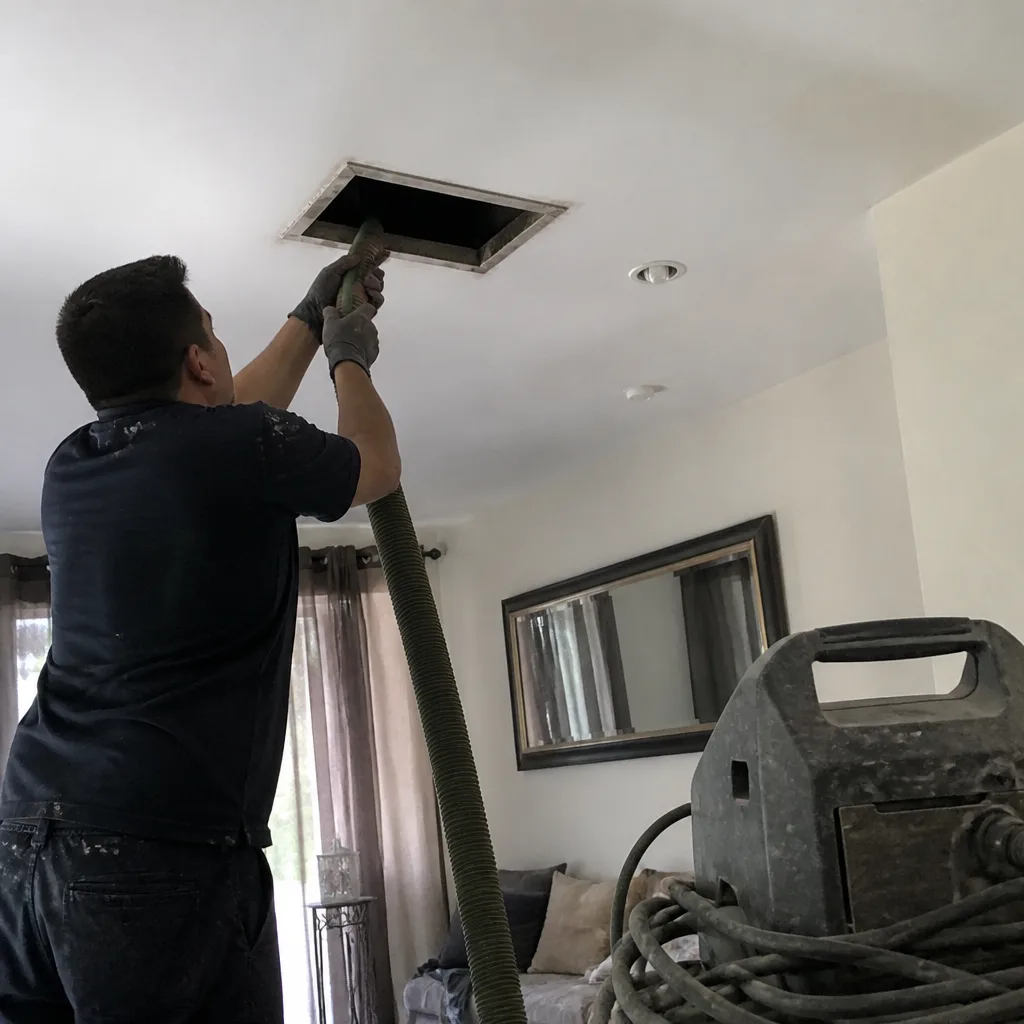 Before
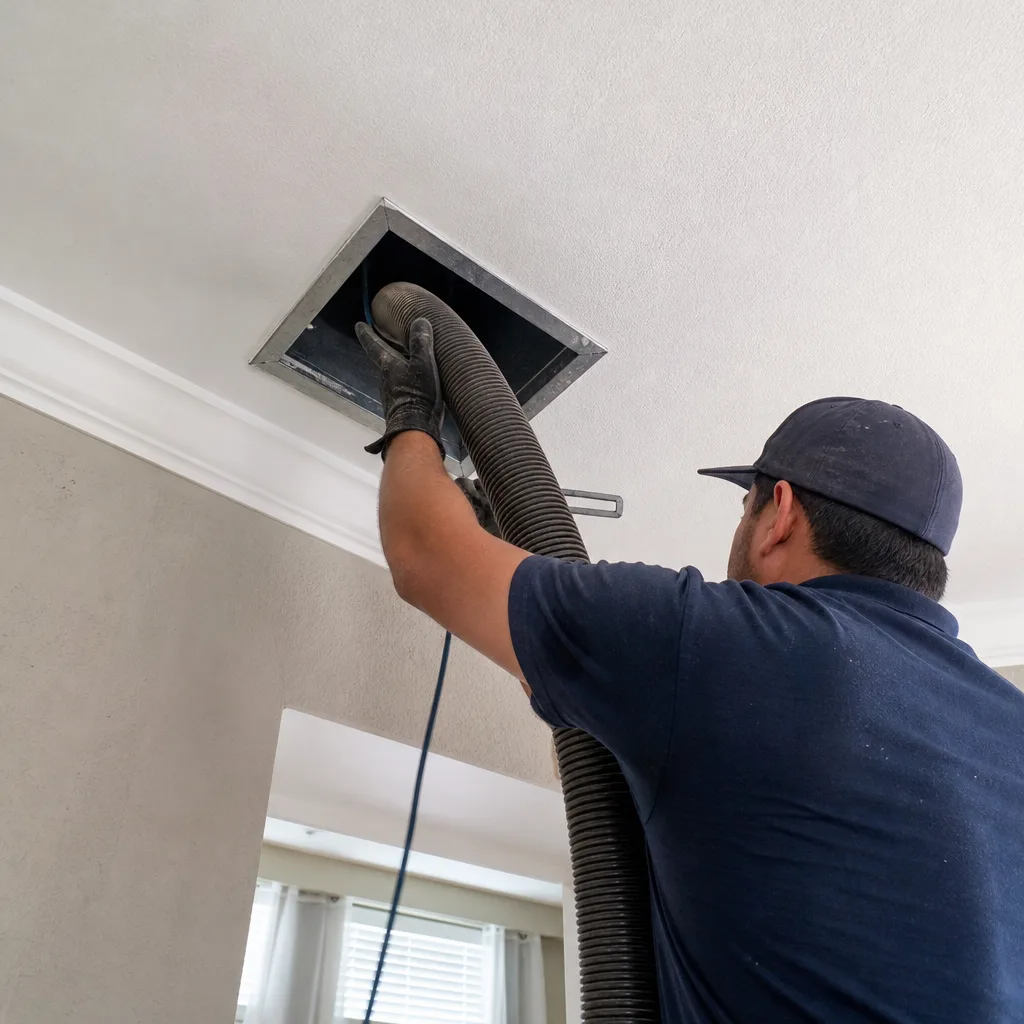 After
After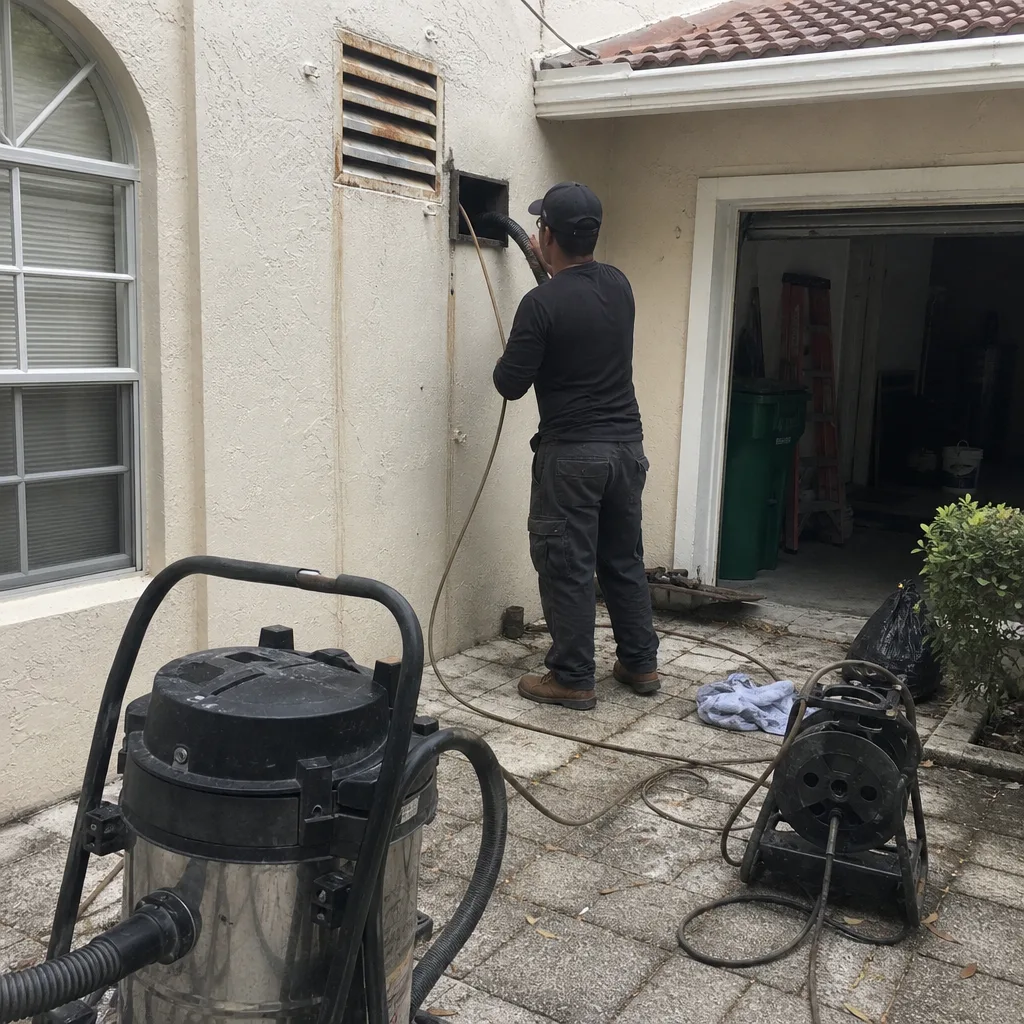 Before
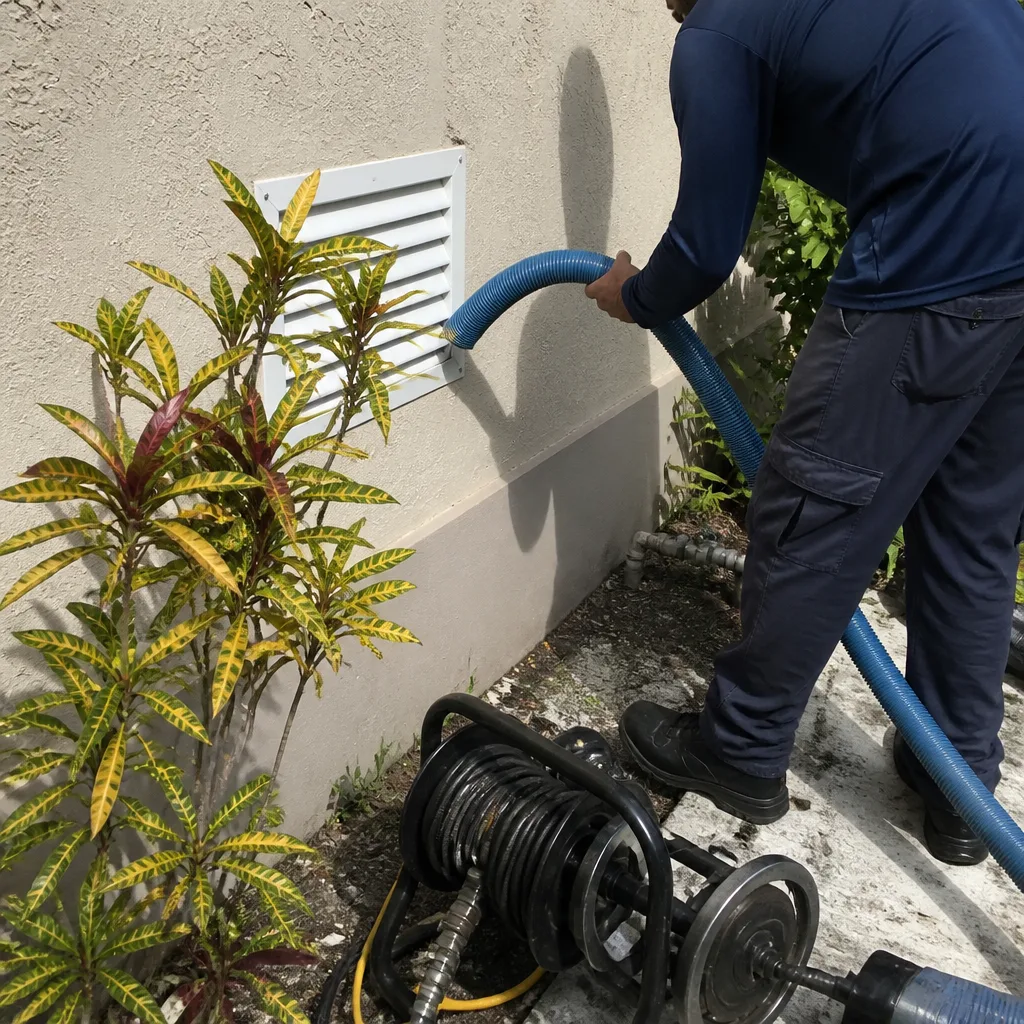 After
After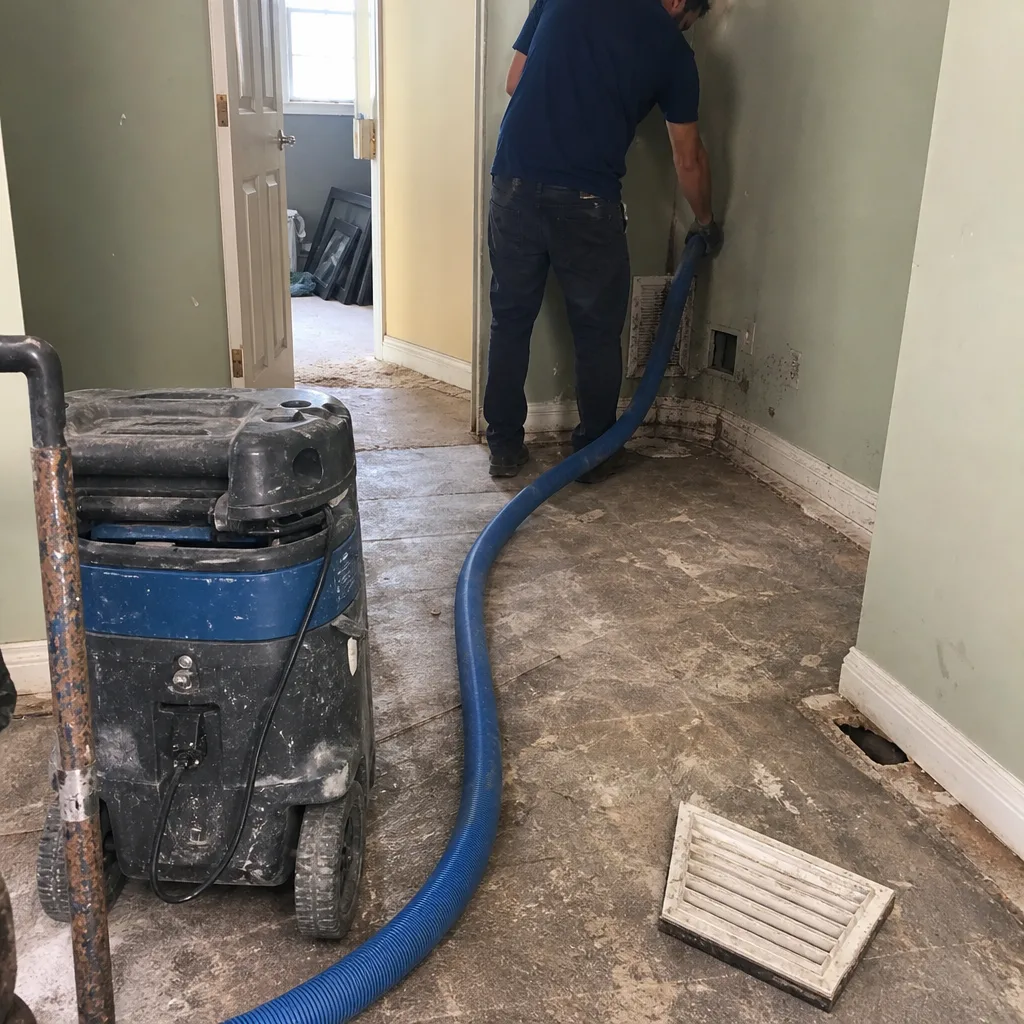 Before
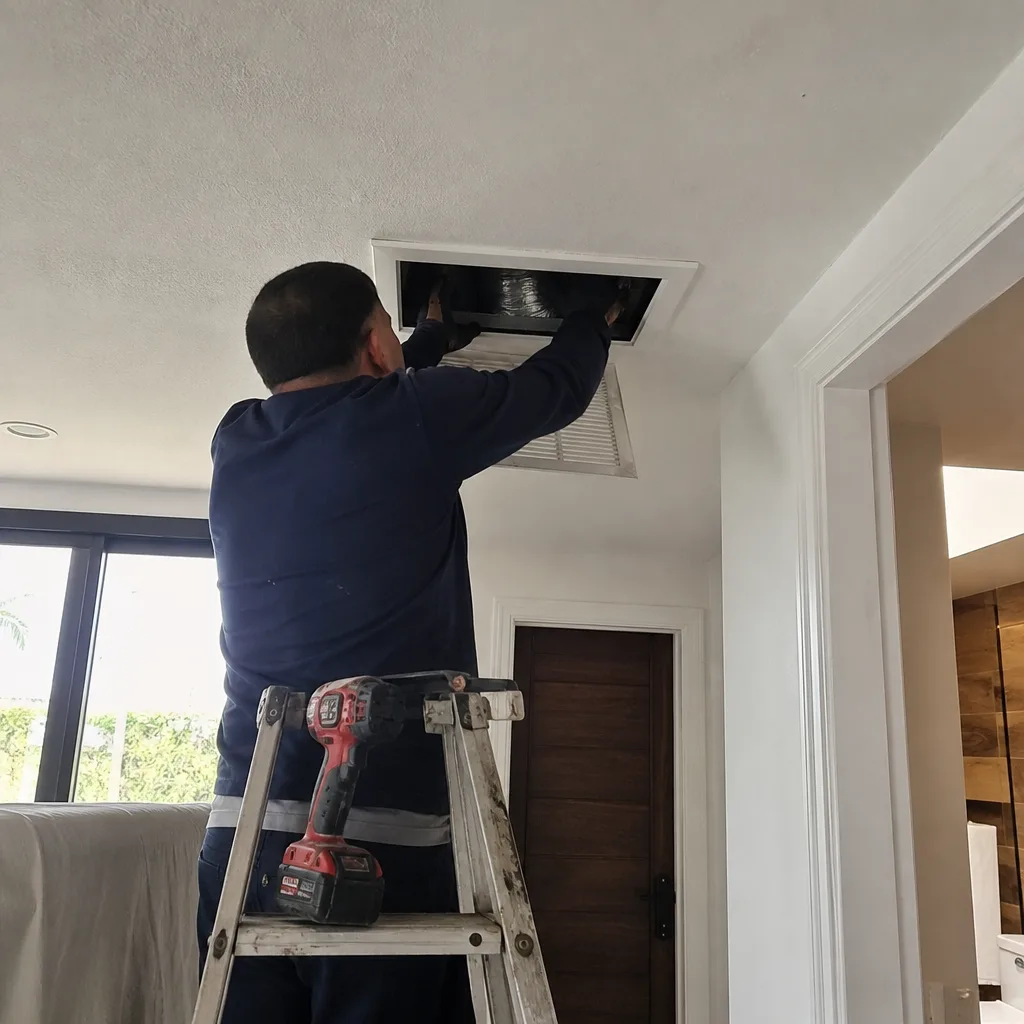 After
AfterReplacement Cost & What’s Included
For Rotobrush duct sealing and repair in Miami, most jobs run between $285 and $640 installed, and that’s the number we want you to have before you pick up the phone. A sealing gasket replacement with new access collars usually lands in the $285 to $380 range. A full coupling and shaft repair with brush head replacement lands between $420 and $640 depending on the series and whether we’re replacing the drive-side components or just the brush-side.
What drives the range: the cost of the part itself (OEM Rotobrush parts run higher than quality aftermarket equivalents), how much of the duct run needs re-sealing, and whether the failure scored the interior of the vacuum housing. We hand you a written price before we start – parts, labor, and any disposal – and that number doesn’t change at the door. The work carries our 365-Day Done Right Promise: if the repair fails within a year, we come back and make it right at no charge. That’s in writing on every invoice.
DIY or Call Us?
There are a couple of things you can safely check without opening the motor housing. Look at the sealing gasket where the hose meets the unit: if you see cracks, flattening, or debris caked into the rubber, the gasket is done and no amount of adjustment will save it. You can also inspect the brush head itself for matted bristles or visible shaft wear. That’s where DIY should end.
The coupling, the drive shaft, and the motor assembly are under torque load when the system runs, and opening the housing without the right tools and torque specs turns a $300 gasket job into a $700 housing replacement. We’ve done that repair for Miami owners more times than we’d like to count. If the issue is internal or you’re not sure, call us at (850) 779-9240 and describe what you’re seeing. We’ll tell you over the phone whether it’s a simple part swap or whether we need to put a technician on it.
FAQs
On residential systems used weekly, sealing gaskets and collars typically last 2 to 4 years in Miami’s humidity before they compress, crack, or lose their seal. The humidity accelerates rubber degradation, which is why we see more gasket failures here than in drier markets.
A torn or cracked sealing gasket cannot be patched effectively – the material has to maintain a uniform compression seal under vacuum load, and any adhesive patch will fail within weeks. The good news is that replacement gaskets are among the least expensive Rotobrush parts, and we stock them on the truck for most series.
Most sealing and coupling repairs take 45 to 90 minutes on-site. If the vacuum housing itself needs work, plan for up to two hours. We’ll give you a window when you book, and per the Kingswell Way, we show up inside that window or you hear from us first.
We keep common Rotobrush sealing components, gaskets, couplings, and brush heads on the truck for the Viper, Patriot, and 2100-series lines. For less common parts or older systems like the aiR+, we source them quickly through our suppliers and often have them within a business day or two. We also carry parts for other major brands including Lennox, Trane, and Carrier. Call (850) 779-9240 and we’ll confirm availability right then.
Written by Dale Whitmore, Owner, Kestrel Air Duct Miami at Kestrel Air Duct Miami, serving Miami and nearby areas.