
Last updated October 15, 2026
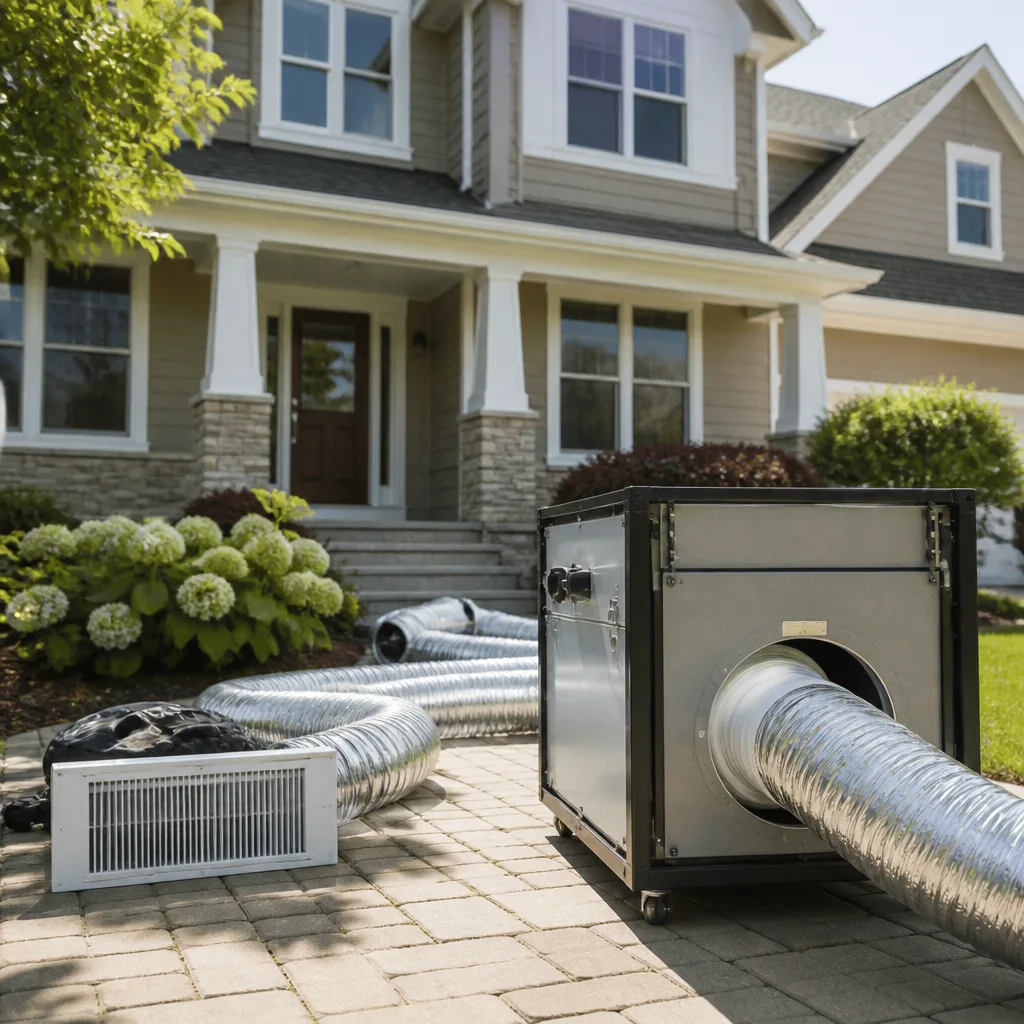 Whole-home duct cleaning
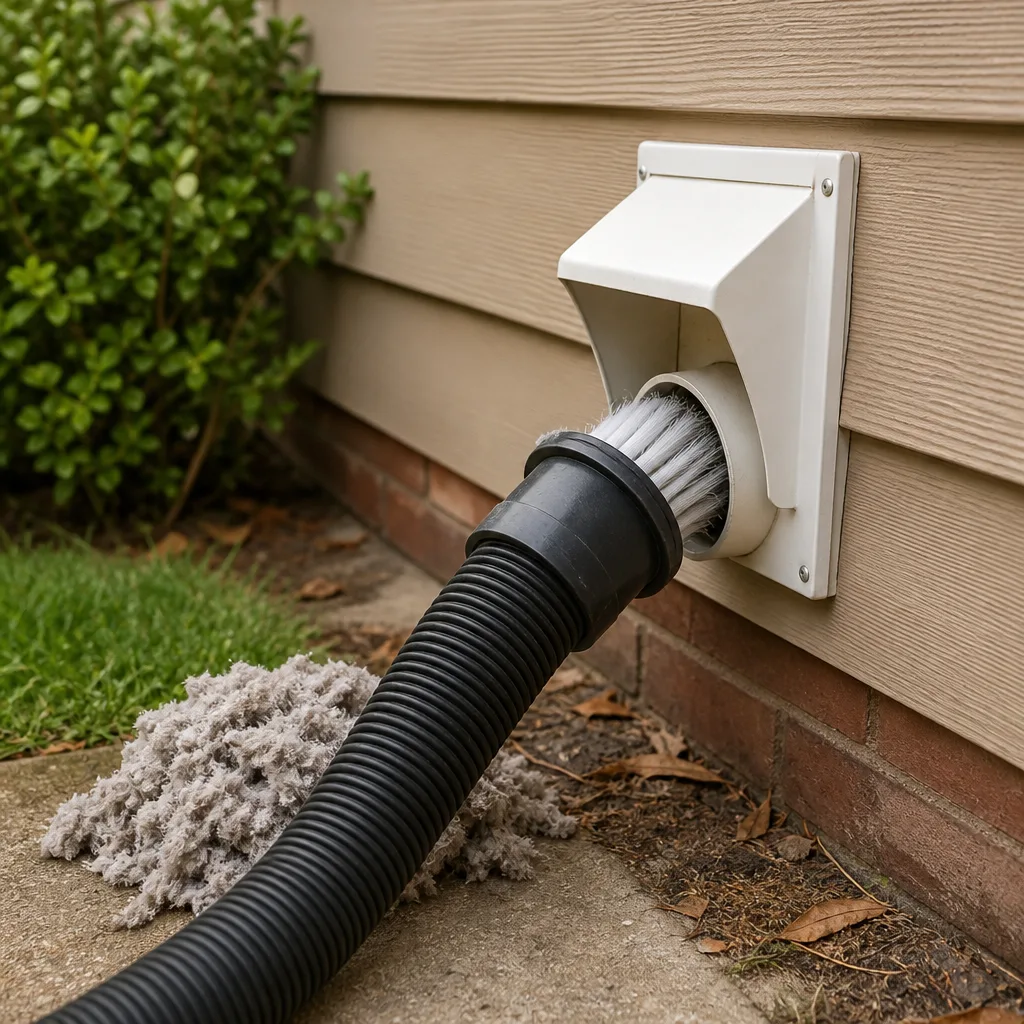 Dryer vent cleaning
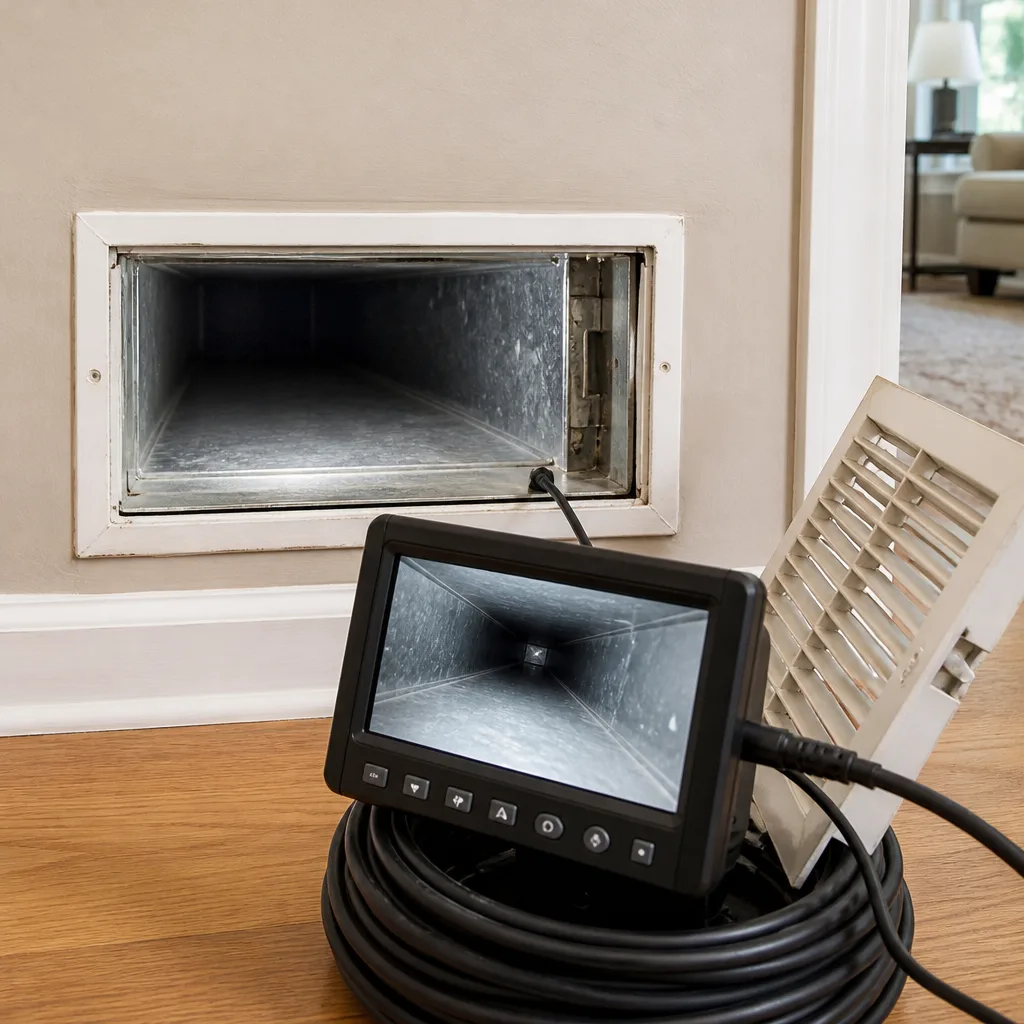 Camera inspection
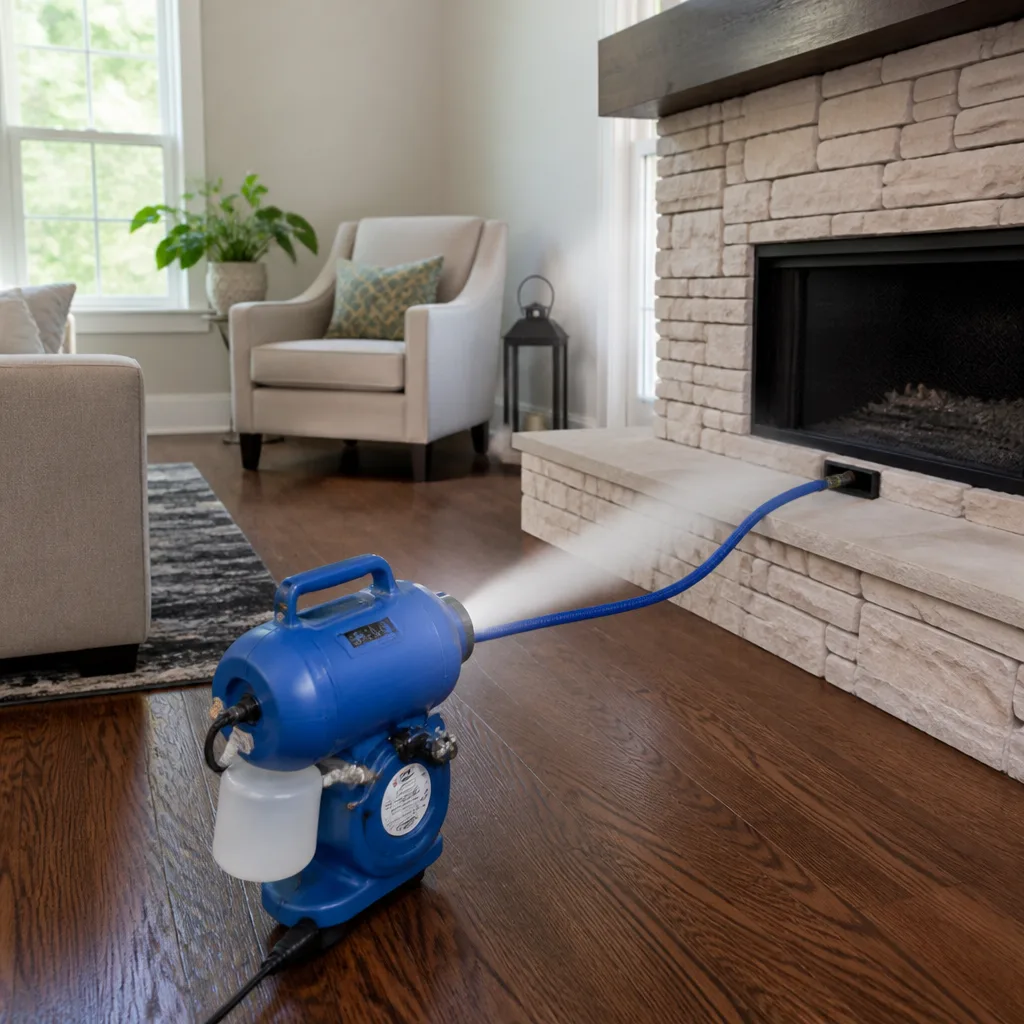 Sanitizing & deodorizing
Whole-system duct and dryer vent check with before-and-after photos - you see exactly what came out of your vents
That "$99 whole-house special" is a bait ad - the real number appears once they are in your hallway, or the "clean" is a shop-vac at the register. We photograph the inside of your ducts before and after instead.
Seasonal Air Duct Cleaning Care for Miami: Year-Round Homeowner’s Guide
During Miami’s wet season, outdoor air carries roughly 10 to 30 times more airborne mold spores than during the dry months. That means the five months from June through October push your duct system harder than the rest of the year combined, yet most homeowners plan cleanings around a calendar year instead of a climate cycle. This guide rebuilds the maintenance calendar around Miami’s actual weather pattern: two seasons, each with its own risks, inspection points, and ideal timing. For Air Duct Cleaning Maintenance Checklist for Miami Homeowners, see our dedicated resource. You’ll learn when to schedule a full cleaning, what to check weekly during the wet season, how to prep ducts before a hurricane, and what snowbirds should inspect before turning the AC back on.
Styles & brands we work with
Quick Answer
In Miami, schedule your full air duct cleaning during the dry season (November through May), when lower humidity lets ducts dry properly after negative-air extraction and antimicrobial application. During the wet season (June through October), focus on weekly visual checks, condensate drain maintenance, and catching musty odors early. If you’re a snowbird returning after months away, inspect before you run the system, not after.
Table of Contents
- Why Miami Doesn’t Have Four Seasons – And Why That Changes Your Duct Care
- Wet Season (June – October): Weekly Monitoring and Emergency Triggers
- Dry Season (November – May): The Right Window for a Full Cleaning
- Hurricane Prep: Protecting Ducts Before a Storm
- Post-Storm Inspection: What to Check Before You Run the System
- The Snowbird Effect: Ducts in a Vacant Miami Home
- Timing a Cleaning With Filter Changes and HVAC Tune-Ups
- Common Mistakes to Avoid
- When to Call a Professional
- Frequently Asked Questions
- The Bottom Line
Why Miami Doesn’t Have Four Seasons – And Why That Changes Your Duct Care
Miami runs on two seasons. The wet season stretches from June through October, with daily afternoon thunderstorms, humidity rarely dipping below 70 percent, and outdoor air saturated with organic material. The dry season, November through May, brings lower humidity, less rainfall, and air that lets things actually dry out. Your duct system responds to both seasons differently, and so should your maintenance calendar.
Most generic duct-cleaning advice assumes a northern climate: clean in spring because of pollen, clean in fall because of furnace startup. Miami has no furnace season. Instead, the AC runs nearly year-round, and the real variable is moisture. Wet season air condenses inside ductwork, feeds mold, and accelerates dust accumulation. Dry season air is the one window when a thorough cleaning can be done properly, with ducts drying completely after the work.
A Miami homeowner who schedules a full cleaning in August gets a system that may not fully dry for weeks. That’s not a flaw in the cleaning method; it’s the climate working against the process. Flip the schedule and the same cleaning done in January or February produces a drier, longer-lasting result.
What This Means for Your Calendar
- June – October: Monitor, spot-check, and manage moisture. Do not schedule full cleanings unless an emergency forces it.
- November – May: The window for full system cleaning. Schedule early in the dry season for best drying conditions.
- Year-round: Filter changes on a regular interval, regardless of season.
We’ve cleaned ducts in every corner of Miami, and the homes with the fewest problems are the ones that match their maintenance to this split. The ones that schedule cleanings in September are usually the ones calling us back with a recurring musty smell in February.
Wet Season (June – October): Weekly Monitoring and Emergency Triggers
The wet season is when your duct system faces its highest contamination load. Outdoor humidity keeps interior surfaces damp, and the AC works continuously, pulling that moisture through the return vents and across the evaporator coil. Here’s what to monitor weekly from June through October.
Weekly Visual Checks
- Check visible vent registers and return grilles for moisture or discoloration. Dark spots near the edges of a vent often mean condensation is forming where cool air meets humid room air. This is a precursor to mold, not a cosmetic issue.
- Listen for water sounds near the air handler. A gurgling or trickling sound inside the unit usually means the condensate drain line is backing up. When that line clogs, water pools in the drain pan and can overflow into the ductwork below.
- Smell the air on first startup. If you notice a musty odor in the first 30 seconds of the AC kicking on, then the smell fades, the source is inside the ducts or on the coil, not in the room. This specific pattern, musty on startup, then fading, is the earliest reliable sign of microbial growth in the system.
- Check the condensate drain line exit outdoors. During wet season, you should see steady dripping from the drain line while the AC runs. No drip usually means a clog is forming. A clogged drain is the number-one trigger for emergency duct inspection in Miami homes from June through October.
Why Condensate Overflow Is the Big One
When a condensate line clogs, water backs up and overflows the drain pan. In many Miami homes, that overflow runs directly into the supply plenum or the duct trunks below the air handler. The result is standing water inside the ducts, which in wet-season humidity becomes mold within days. By the time a homeowner notices damp carpet or ceiling staining, the contamination has often spread well beyond the visible area.
We’ve seen this pattern repeatedly in Miami homes during the wet season: a clogged drain line that went unnoticed for two weeks, followed by a musty smell that won’t go away, followed by an emergency call for a full air duct cleaning in Miami. The cleaning is needed, but the root cause, the drain line, had to be addressed first or the problem returns.
What to Do If You Catch a Musty Smell Early
- Don’t mask it with air fresheners. Air fresheners add chemicals to the air; they don’t remove the microbial source inside the ducts.
- Check the condensate drain first. If it’s dripping, good. If not, clear the line or have a technician do it.
- Run the fan on “On” for 30 minutes and see if the smell persists. If the smell is strongest when the compressor cycles on, the problem is likely on the coil. If it’s present whenever air moves, the problem is in the ducts.
- If the smell persists for more than 48 hours, call for a professional inspection. Wet-season mold moves fast in Miami’s humidity.
Dry Season (November – May): The Right Window for a Full Cleaning
The dry season is when a full air duct cleaning makes sense in Miami. Here’s why: after cleaning, the interior surfaces of the ducts are exposed. Any residual moisture from the cleaning process, from the antimicrobial application, from the negative-air extraction equipment itself, needs to evaporate. In November through May, Miami’s lower humidity lets that happen naturally and quickly. In August, it doesn’t.
A full cleaning typically includes brush agitation to dislodge debris from the duct walls, negative-air extraction to pull loosened contaminants out of the system, and an antimicrobial treatment applied to interior surfaces. Each step works better when the system can dry properly afterward. Schedule the work between November and May and the ducts dry within hours. Schedule it in September and the same surfaces may stay damp for days, inviting the very mold you’re trying to remove.
What a Full Cleaning Includes
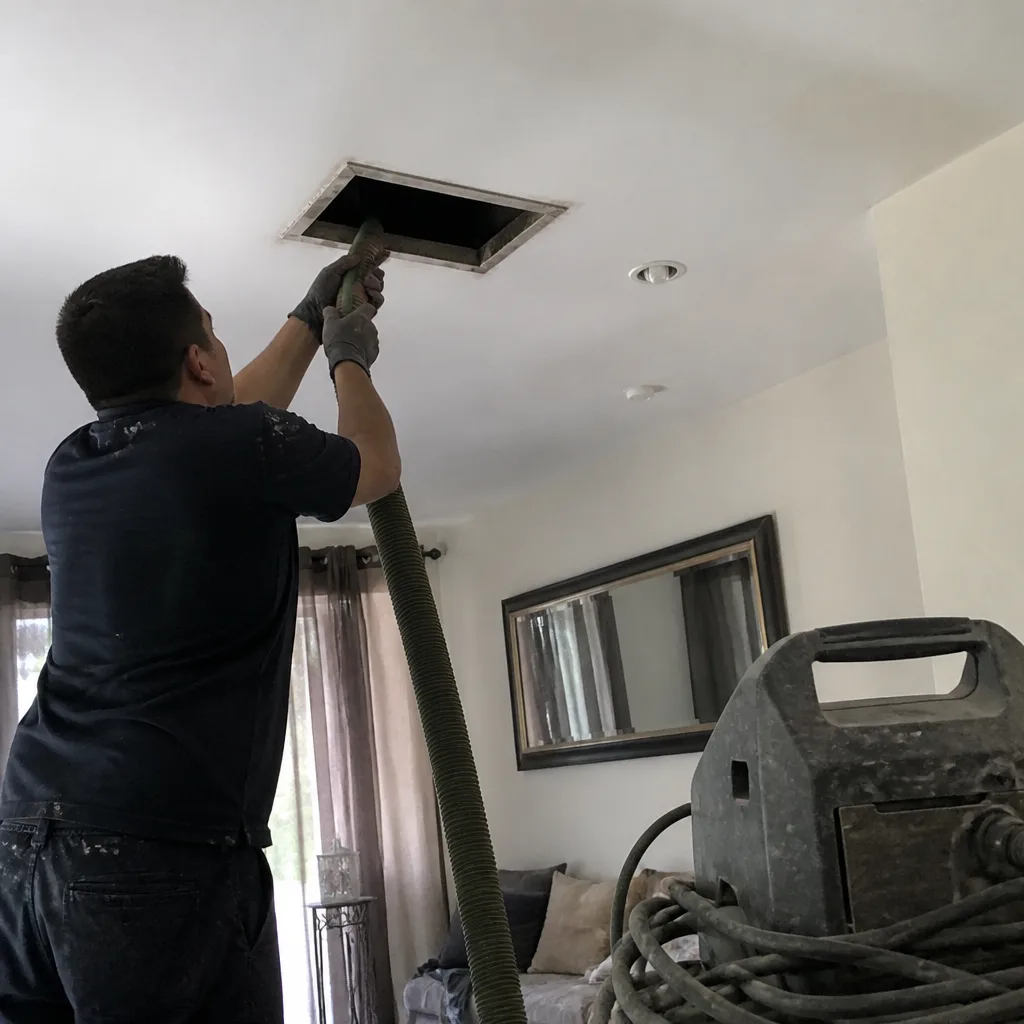
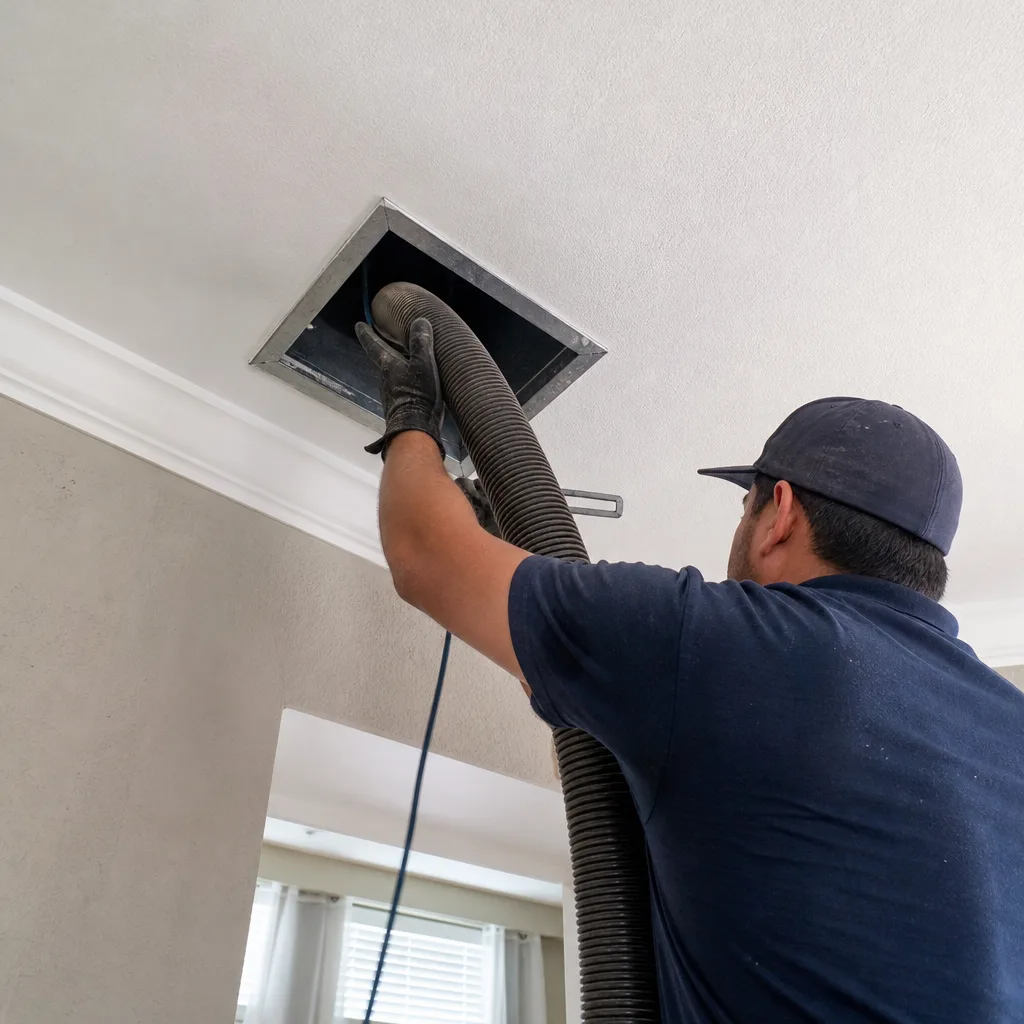
- Rotary brush agitation: A rotating brush moves through each duct run, dislodging dust, debris, and microbial film stuck to the walls. This is the mechanical part of the work, and it matters because negative air alone won’t remove biofilm that has adhered to the duct surface.
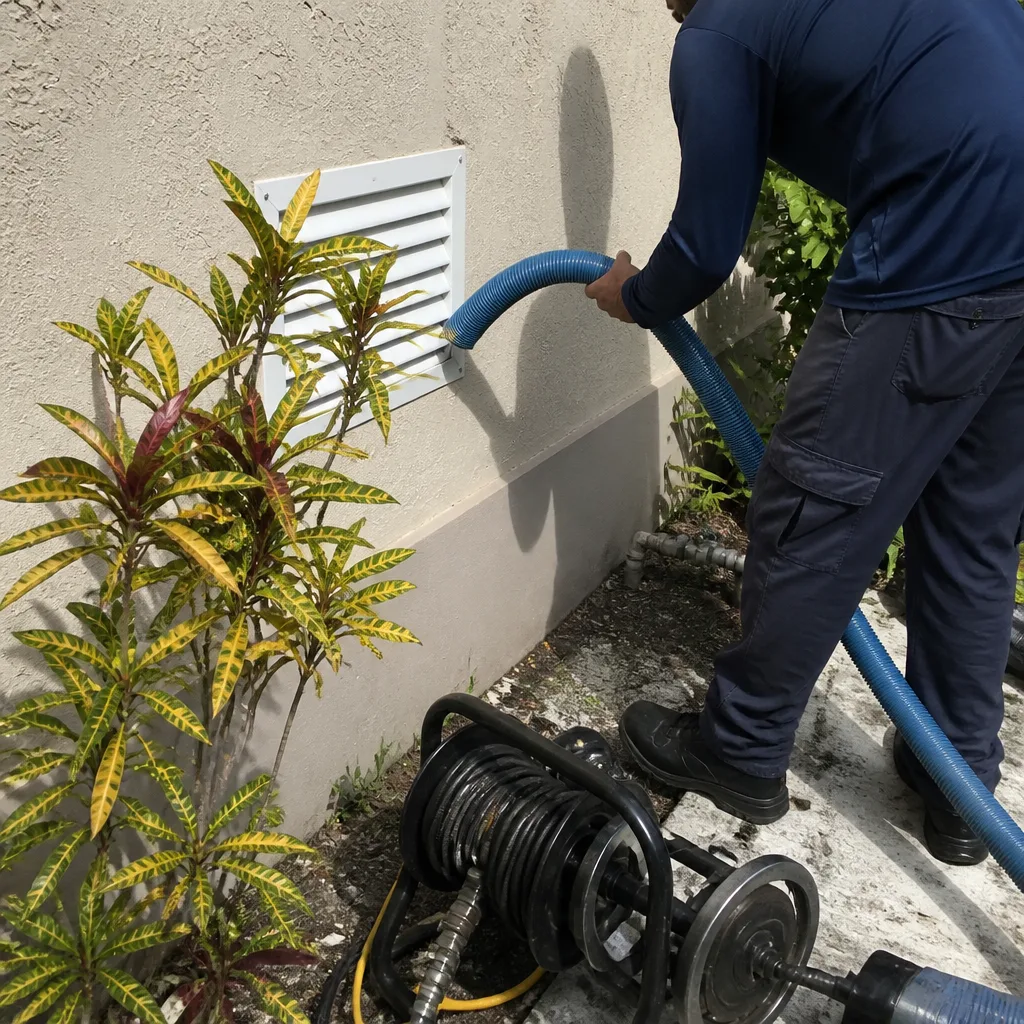
- Negative-air extraction: A powerful vacuum unit creates negative pressure inside the duct system, pulling all loosened debris out of the home instead of letting it settle back into the rooms. Think of it as a whole-system vacuum, not a per-vent cleaning.
- Antimicrobial application: After the mechanical cleaning, an EPA-registered antimicrobial is fogged into the duct system. This addresses remaining microbial spores and helps prevent regrowth. It works best when the ducts can dry completely, which is why dry-season timing matters.
- HEPA filtration during cleaning: Professional equipment includes HEPA filtration to capture loosened particles before they can enter the living space. This is the difference between professional equipment and a box-store shop vac with a long hose.
Most Miami homes run between $450 and $850 for a full-system cleaning, depending on home size, number of systems, and accessibility. For details, see our Air Duct Cleaning Cost Breakdown: The Miami Homeowner’s Reference for 2026. The exact price is quoted in writing before any work begins, so there’s no surprise at the door.
How Long Does a Full Cleaning Take?
For a typical 2,000 to 3,000 square foot Miami home with one AC system, expect 3 to 6 hours on-site. Two-system homes, common in older Miami houses with an addition or a converted garage, run 6 to 8 hours. The work should never feel rushed; a technician who finishes a full-system cleaning in 90 minutes is skipping steps.
Hurricane Prep: Protecting Ducts Before a Storm
When a hurricane warning is issued for Miami, ductwork is rarely the first thing on a homeowner’s mind. But the decisions you make in the 24 hours before landfall determine whether your ducts survive the storm clean or become a contamination source. Here’s what to do before the storm arrives.
Pre-Storm Duct Protection Checklist
- Turn off the air handler at the thermostat and at the breaker. This prevents the system from cycling during power surges, brownouts, or generator transfer. A compressor that starts against a surge can be damaged, and a blower that runs during a power fluctuation can spread debris through the ducts.
- Cover exterior vents if flooding or wind-driven rain is forecast. Use plastic sheeting and tape, not cloth or cardboard, to cover accessible exterior vents. This keeps wind-driven rain from entering the duct system through exterior openings.
- Check the condensate drain one final time. If the drain is slow before a storm, the storm will only make it worse. Clear it if you can. If you can’t, turn the system off and leave it off until the drain is serviced.
- Move furniture and belongings away from floor registers. If water enters the home, floor registers become direct pathways for contaminated water into the duct system. Keeping the area clear won’t stop the water, but it reduces the chance of debris being pulled into the ducts when the system restarts.
- Document pre-storm condition. Take photos of visible vents, the air handler, and any existing issues. After the storm, you’ll have a baseline for comparison and for any insurance documentation.
What Not to Do Before a Storm
- Don’t run the AC on a generator unless a licensed electrician has confirmed the transfer is safe. Improper generator connections can send voltage spikes through the system.
- Don’t seal interior vents. Sealing interior vents creates pressure imbalances in the duct system and can cause condensation to pool inside.
- Don’t schedule a cleaning in the 48 hours before landfall. The work may be incomplete when the storm hits, and the system will need inspection afterward anyway.
Post-Storm Inspection: What to Check Before You Run the System
After a hurricane passes Miami, the instinct is to restore power and get the AC running again. Resist that instinct until you’ve done a basic inspection. Storm-driven water, debris, and power interruptions can all contaminate or damage the duct system, and running the blower before checking can spread that contamination through the entire home.
Post-Storm Inspection Sequence
- Check the outdoor condenser unit. Look for standing water, mud deposits, or debris wedged against the coil. If the unit was submerged, do not run the system until a qualified technician has inspected it.
- Inspect all visible exterior vents and the area around them. If water entered through a vent, you’ll usually see staining on the wall or ceiling below the opening. That staining is the visible record of water that may also be inside the ducts.
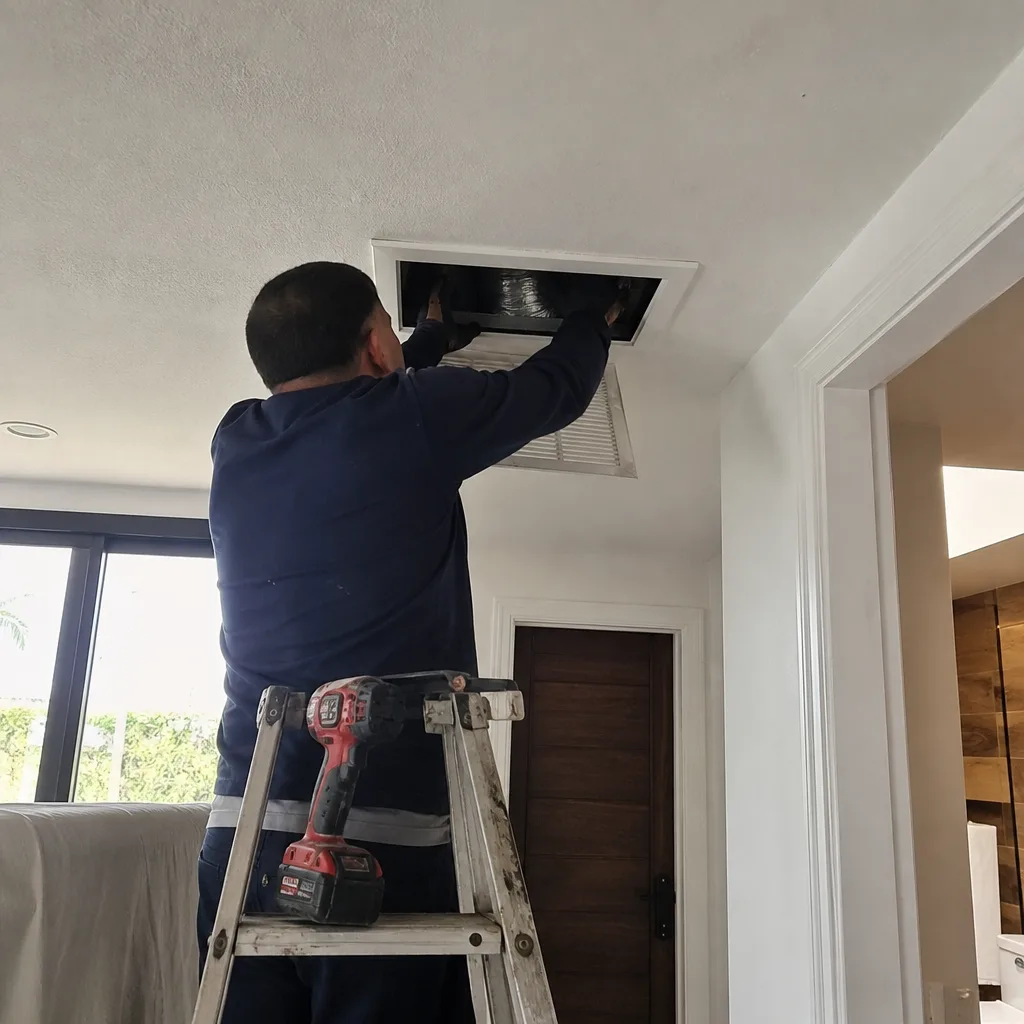
- Look inside accessible duct runs. Remove a floor register or ceiling vent cover near the air handler and look inside with a flashlight. Look for standing water, dark staining, or debris that wasn’t there before the storm. Use a phone camera to reach areas you can’t see directly.
- Check the condensate drain line for storm debris. Small branches, mud, and organic material can enter the drain line exit during a storm and cause a clog. If the line is blocked, running the AC will overflow the drain pan within hours.
- Smell before you run. With the blower off, put your face near a supply register and inhale. If you smell mold, mildew, or anything swampy, do not run the system. That smell is your signal that microbial growth is already present.
- Run the fan only, not the compressor, for the first 10 minutes. If the smell gets worse, shut it down and call for an inspection. If the air smells clean, proceed to full AC operation.
If any of these checks fail, the system needs a professional inspection before full operation resumes. Running a contaminated system distributes spores through every room, and the cleanup becomes more expensive the longer it runs.
The Snowbird Effect: Ducts in a Vacant Miami Home
Thousands of Miami homes sit empty for 4 to 6 months each year while their owners head north. The typical setup is an AC left running at a setback temperature, usually 78 to 82 degrees, with no occupants and no regular visual checks. That setup creates a specific set of duct problems that returning snowbirds encounter every year.
What Happens When the AC Runs in an Empty Miami Home
At a setback temperature of 80 degrees, the AC still cycles regularly, especially during the wet season. Moisture condenses on the coil, drains away, and the cycle repeats. But in an empty home, nobody notices when the drain line starts to slow. Nobody notices the first musty smell. Nobody notices the small overflow event that dries up before the owner returns. By the time a snowbird arrives in November or December, the damage has had months to develop.
The most common issue we find in returning snowbird homes is microbial growth on the coil and in the supply plenum, triggered by a slow condensate drain that went unnoticed for weeks. The second most common is dust accumulation in the return ducts, caused by the system cycling without anyone changing filters on schedule.
Inspection Points for Returning Homeowners
- The condensate drain line. Check for steady dripping while the AC runs. A slow drip or no drip means a clog formed while the home was empty.
- The filter. If the filter is caked or collapsed, the system pulled unfiltered air through the coil and ducts for weeks. Check the filter before turning the system on after a long absence.
- The supply registers. Look for dark spots or staining around the edges. This indicates condensation was forming on the register face while the home was empty, which points to a drainage or humidity issue.
- The first hour of operation. Run the system normally and stay in the home for the first few hours. Note any smells, sounds, or moisture. Returning to a home and immediately leaving again means problems go undetected for another day.
For snowbirds returning to Miami, we recommend a full inspection and cleaning if the system has run unattended through a wet season. The cost of a cleaning is a fraction of the cost of mold remediation if the problem goes unaddressed. And when the cleaning is done during the dry season, the timing is ideal.
Timing a Cleaning With Filter Changes and HVAC Tune-Ups
A common question from Miami homeowners is how to sequence a duct cleaning relative to other HVAC work. The short answer: clean the ducts last, after any tune-up or coil service, and on its own schedule from filter changes.
The logic is straightforward. An HVAC tune-up or coil cleaning dislodges debris that can end up in the ducts. If you clean the ducts first, then have the coil cleaned, you’ve just reintroduced contamination into a clean system. Reverse the order and the duct cleaning removes everything the tune-up loosened.
Filter changes are different. Filters should be changed on a regular interval regardless of duct cleaning schedule. In Miami’s wet season, a standard 1-inch filter typically needs replacement every 30 to 60 days, more often if the home has pets or if construction is happening nearby. A duct cleaning doesn’t change your filter schedule; it just reminds you that the filter was the only thing standing between the air and the coil during the months between cleanings.
Recommended Sequence for a Complete Refresh
- Replace the filter. Start with a fresh filter so the system is working with clean air during the other work.
- Schedule the HVAC tune-up or coil cleaning. This work dislodges debris from the coil and air handler. Let it fall where it may.
- Schedule the duct cleaning. The final step, done after any other work that could introduce debris into the system. This is when the ducts get completely cleared.
- Replace the filter again after the duct cleaning. The cleaning process itself may dislodge fine particles, and a fresh filter captures anything that remains airborne.
This sequence avoids paying for redundant work. Cleaning ducts before a coil service is like vacuuming the living room before the dog comes in from the rain. The order matters.
For dryer vent cleaning in Miami, the timing is independent of all of the above. Dryer vents should be cleaned on their own schedule based on usage, typically once per year for a family that does regular laundry. The only overlap is practical: if you’re having the ducts cleaned, it’s often convenient to have the dryer vent done on the same visit.
Common Mistakes to Avoid
- Scheduling a full cleaning during the wet season when there’s no emergency. The ducts won’t dry properly in Miami’s June-to-October humidity, and the antimicrobial treatment won’t work as intended. Wait for the dry season.
- Ignoring a condensate drain that has stopped dripping. A dry drain line during AC operation in Miami’s wet season is a clog in progress. This is the single most common trigger for emergency duct contamination we see in Miami homes.
- Running the AC immediately after a hurricane without inspecting. Storm water and debris in the ducts get distributed through every room the moment the blower starts. A 20-minute inspection can prevent a whole-house contamination event.
- Using a box-store shop vac with a long hose instead of professional equipment. A shop vac cannot create the negative pressure needed to pull debris from the full duct system. The work looks similar from the outside and does nothing on the inside.
- Masking a musty smell with air fresheners or scented filters. The musty smell on startup, then fading, is a specific pattern that indicates microbial growth inside the system. Covering the smell doesn’t address the source, and the source keeps growing.
- Leaving a vacant Miami home with the AC running and no drain line monitoring. Snowbirds who return to a musty home usually find a slow drain that went unnoticed for months. A simple check by a neighbor or property manager during the wet season can prevent it.
- Cleaning the ducts before having the coil serviced. The coil service dislodges debris that ends up in the clean ducts. Sequence matters: tune-up first, duct cleaning last.
When to Call a Professional
Some duct issues are visible and manageable. Others require equipment, access, and experience that a homeowner doesn’t have. Call a professional if you notice a persistent musty smell on startup that doesn’t clear within 48 hours, any visible mold growth on or around vent registers, water staining near the air handler, or a condensate drain that has stopped dripping entirely. Post-hurricane inspections should also be handled professionally if any check fails, especially if water entered the system. Kestrel Air Duct Miami offers free estimates in Miami, with a written price before any work begins. Call (850) 779-9240 to schedule an inspection or get a quote.
Frequently Asked Questions
Most Miami homes benefit from a full air duct cleaning every 3 to 5 years, with the work scheduled during the dry season. Homes with pets, smokers, recent construction, or flooding may need cleaning more frequently. If your AC runs year-round, which it does in Miami, the system pulls more air than a northern home and accumulates debris steadily over time.
Call (850) 779-9240 for a free estimate and we’ll assess your specific system.
Winter, which in Miami means the dry season from November through May, is the better window. Lower humidity lets the ducts dry completely after cleaning, which helps the antimicrobial treatment work as intended and prevents mold regrowth. Summer cleaning in Miami’s wet season leaves the system damp for longer, which is counterproductive.
Call (850) 779-9240 to schedule during the dry season window.
Most Miami homes run between $450 and $850 for a full-system cleaning, depending on home size, number of AC systems, and accessibility. The price is always quoted in writing before work begins, so there’s no surprise at the door. We never charge per vent; the price is one flat rate per system, agreed to before a single vent is touched.
Call (850) 779-9240 for an exact quote, with no obligation.
A musty smell that appears in the first 30 seconds of AC startup, then fades, usually means microbial growth is present on the coil or inside the ducts. The smell is strongest at startup because the blower is pushing out air that sat stagnant in the ductwork while the system was off. This is the earliest reliable sign of a problem, and in Miami’s wet season it’s common enough that we recommend checking it within 48 hours of first noticing it.
Call (850) 779-9240 if the smell persists, and we’ll inspect the system.
Turn off the air handler at the thermostat and the breaker, cover exterior vents if flooding or wind-driven rain is forecast, and check the condensate drain line one final time. Document the pre-storm condition with photos. Don’t run the AC on a generator unless a licensed electrician confirms the transfer is safe, and don’t seal interior vents.
If you need help with post-storm inspection, call (850) 779-9240.
If the AC ran at a setback temperature for 4 to 6 months with no occupants, the system should be inspected before you run it normally. The most common problems in returning snowbird homes are clogged condensate drains that went unnoticed, filter collapse that let unfiltered air into the coil, and microbial growth that had months to develop in the wet season humidity. A post-absence inspection costs less than a mold remediation.
Call (850) 779-9240 to schedule a returning-homeowner inspection.
The Bottom Line
Miami’s climate doesn’t follow a four-season calendar, and neither should your duct maintenance. The wet season, June through October, is for monitoring: watch the condensate drain, check for musty startup smells, and catch problems before they spread. The dry season, November through May, is for action: schedule your full cleaning when ducts can dry completely and antimicrobial treatment can do its job. Hurricane prep is a separate discipline, and so is the snowbird inspection. Match your maintenance to Miami’s actual weather cycle, and you’ll avoid both over-servicing and the expensive emergencies that come from ignoring the calendar the climate actually runs on.
To get a free written estimate for air duct cleaning or dryer vent cleaning in Miami, call (850) 779-9240 or visit our Kestrel Air Duct Miami home page to learn more about how we work.
Written by Dale Whitmore, Owner at Kestrel Air Duct Miami, serving Miami since 2004. Explore more guides & resources on our blog.
See the difference
 Before
 After
After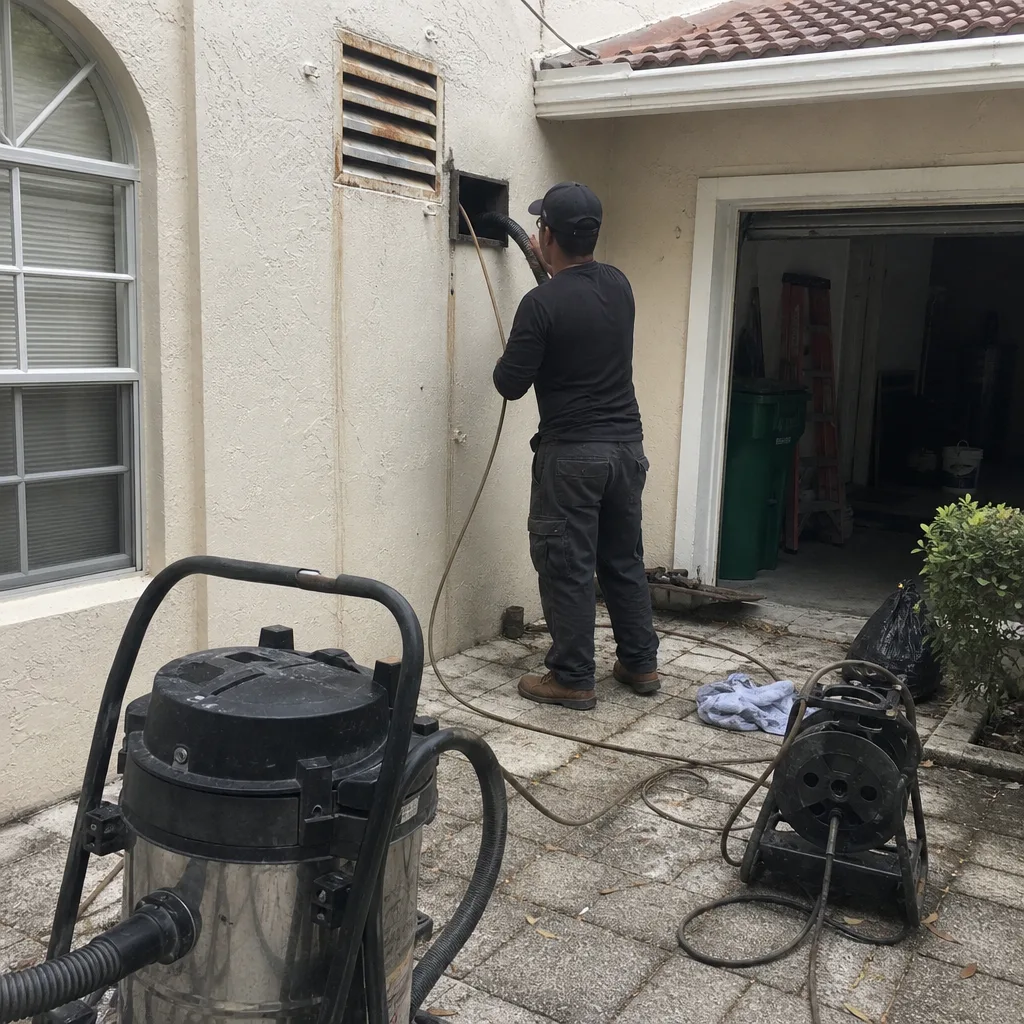 Before
 After
After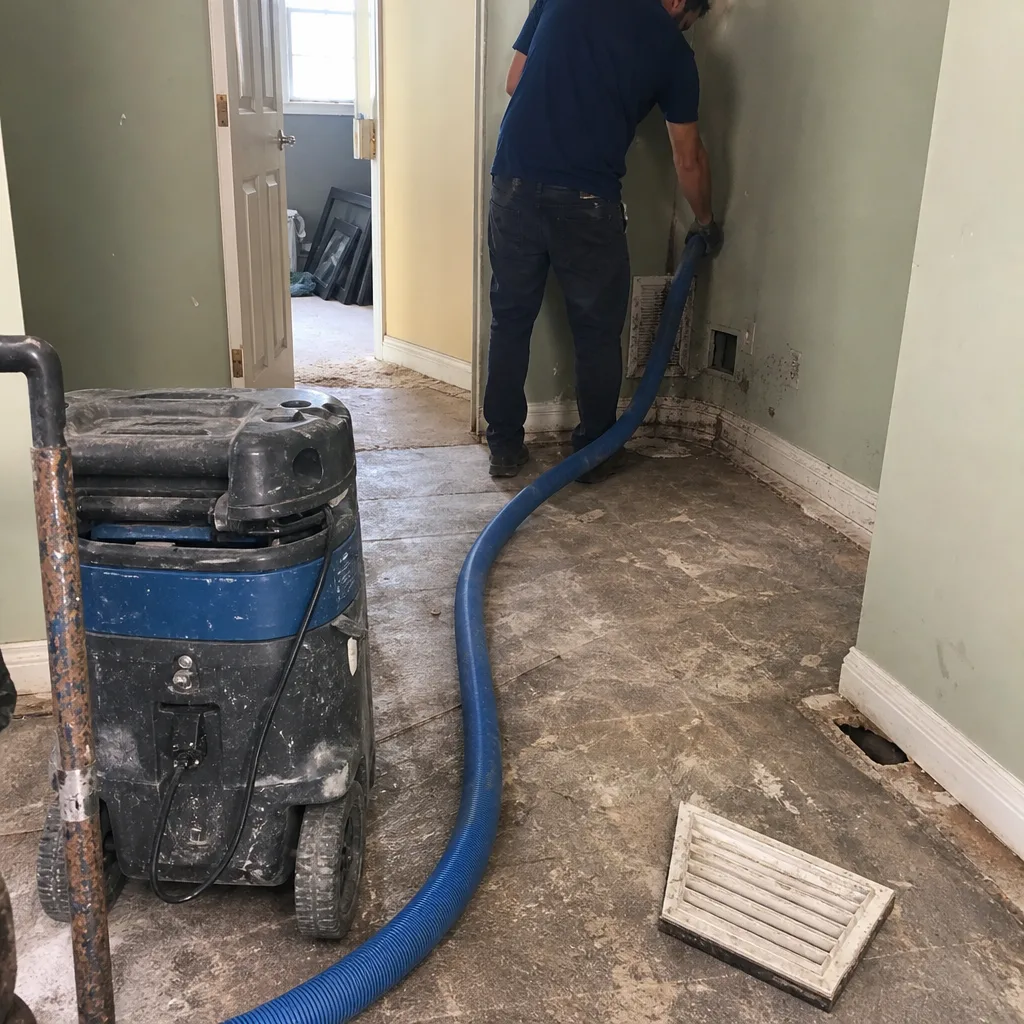 Before
 After
After