
Last updated October 15, 2026
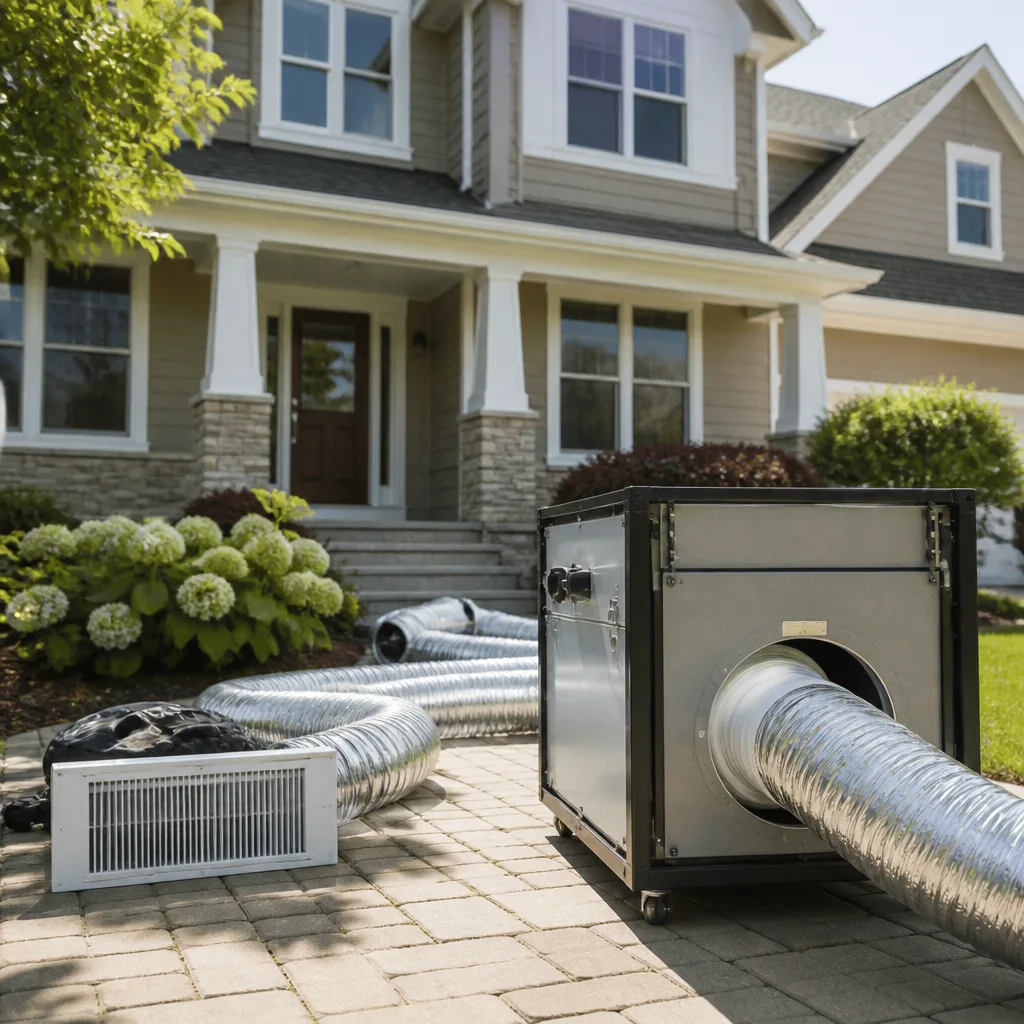 Whole-home duct cleaning
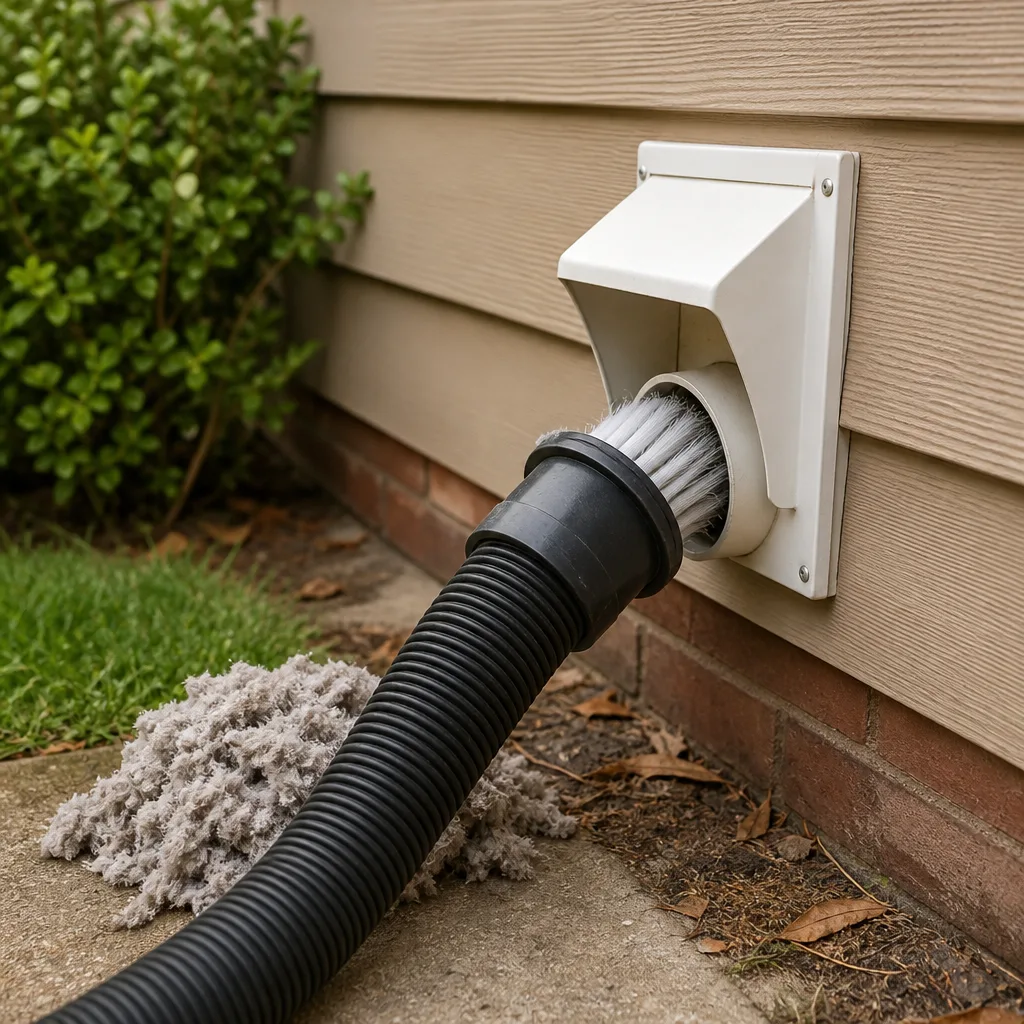 Dryer vent cleaning
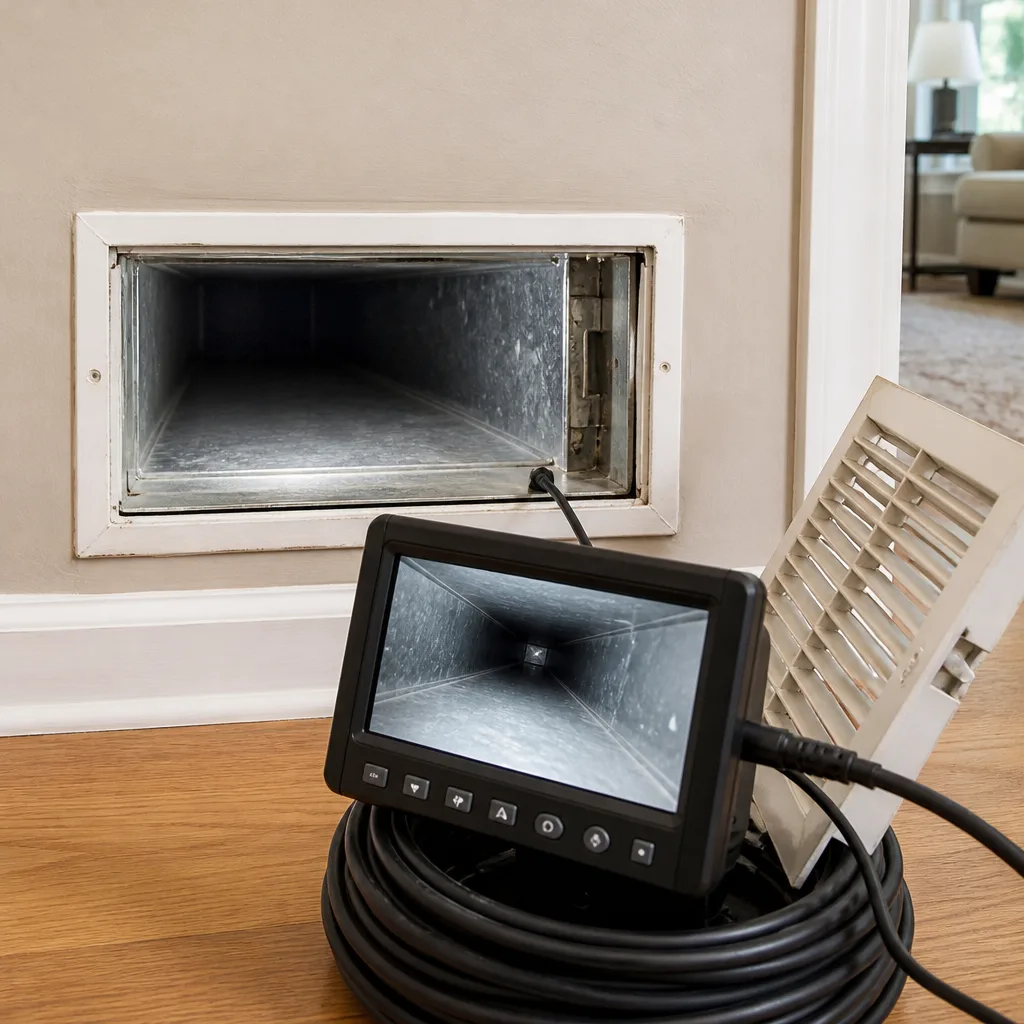 Camera inspection
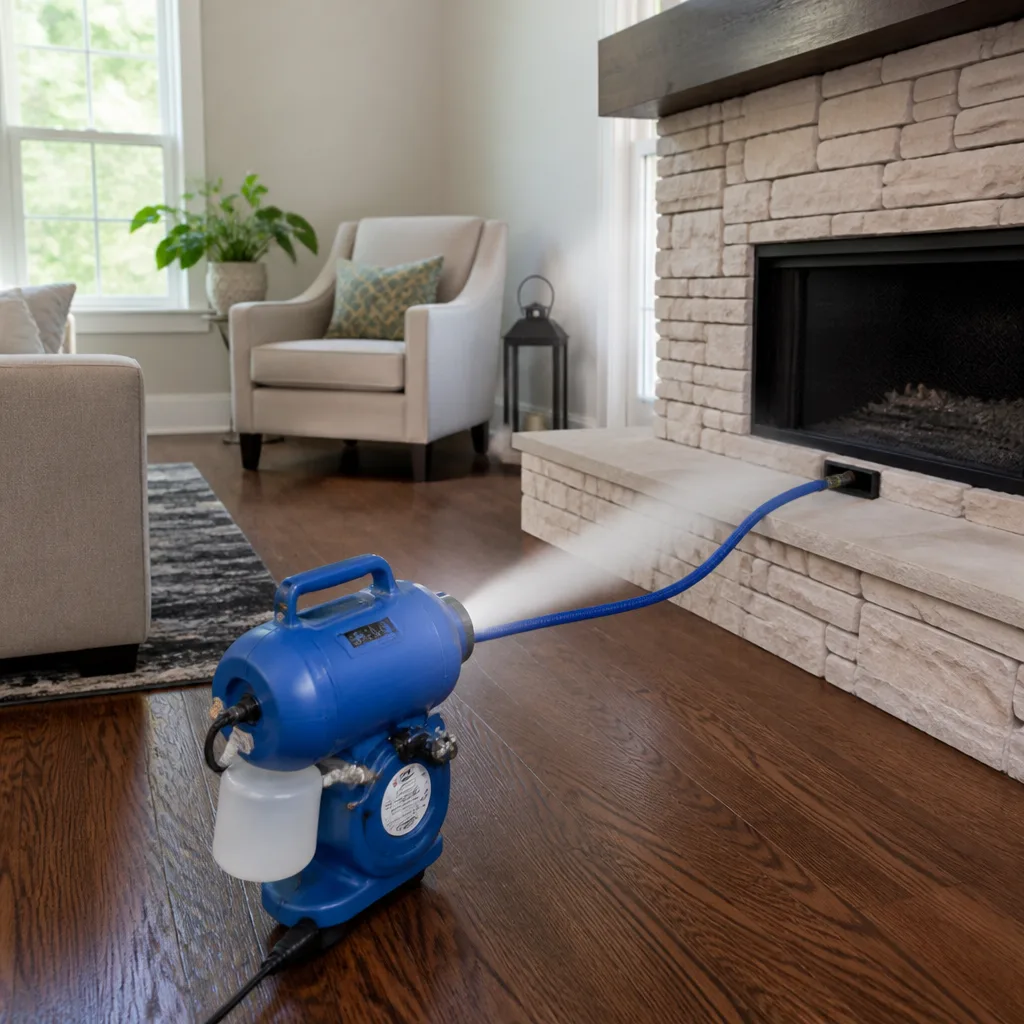 Sanitizing & deodorizing
Whole-system duct and dryer vent check with before-and-after photos - you see exactly what came out of your vents
That "$99 whole-house special" is a bait ad - the real number appears once they are in your hallway, or the "clean" is a shop-vac at the register. We photograph the inside of your ducts before and after instead.
Air Duct Cleaning Maintenance Checklist for Miami Homeowners
A Miami central AC system runs an average of 10 to 12 months per year at high duty cycles. That means your ducts accumulate debris, dust, and biofilm roughly twice as fast as systems in northern states that idle for a real winter. The generic “clean every 3 to 5 years” advice you see on national websites was never written with Miami in mind. This guide gives you a month-by-month maintenance checklist tuned specifically to how Miami homes actually operate, and you can find Air Duct Cleaning Warning Signs: A Miami Homeowner’s Reference Guide for additional context: wet season humidity, hurricane prep windows, and near-constant AC runtime that pushes your system harder than almost anywhere else in the country.
Styles & brands we work with
Quick Answer
The right air duct maintenance schedule for Miami homeowners is built around two anchor points: a pre-wet-season inspection in April or May, and a post-hurricane-season inspection in November. Between those, a 15-minute monthly check of filters, grilles, and visible duct runs catches most problems before they become expensive. Full professional Air Duct Cleaning services in Miami homes are typically warranted every 2 to 4 years, not the 5-to-7-year interval that works in cooler climates.
Table of Contents
- Why Miami Ducts Get Dirtier Faster
- The Monthly 15-Minute Checklist
- Pre-Wet-Season Checklist (April – May)
- Hurricane Season Monitoring (June – October)
- Post-Hurricane-Season Checklist (November)
- Dryer Vent and Exhaust Duct Items Most Checklists Miss
- Record-Keeping: What to Document and Why
- What a Full Duct Cleaning Actually Involves
- Common Mistakes to Avoid
- When to Call a Professional
- Frequently Asked Questions
- The Bottom Line
Why Miami Ducts Get Dirtier Faster
Most national air duct advice assumes a system that shuts down for four or five months a year. In Miami, your AC doesn’t rest. The evaporator coil is pulling moisture out of the air every single day, and that moisture makes dust stick to duct walls instead of blowing through. Add salt air near the coast, pollen from the city’s year-round growing season, and the fine particulate that blows in during storm events, and you have a duct system under continuous load.
We see this pattern consistently in Miami homes. A system that would last seven years between cleanings in Ohio or Michigan will show visible buildup on supply registers and return grilles within two to three years here. The dust isn’t just cosmetic; it’s a food source for mold when humidity inside the ducts stays elevated, which it does during the wet season because the air itself is saturated.
Here’s the practical takeaway: Miami homeowners should treat duct maintenance as a 12-month responsibility, not a once-in-a-while chore. The monthly checks are quick. The seasonal checks are more involved. Together they prevent the kind of deep contamination that makes a full cleaning necessary far sooner than it should be.
The Monthly 15-Minute Checklist
A monthly duct check doesn’t require tools beyond your phone’s flashlight and a step stool. The goal is to catch changes before they compound. We recommend doing this on the first Saturday of every month, paired with whatever other household maintenance you already do. It takes under 15 minutes.
- Check the air filter. Hold it up to a light. If you can’t see light through it clearly, replace it. In Miami, filters clog faster during the wet season because the AC runs constantly and pulls more air through the media. A dirty filter forces the blower to work harder, which pulls more dust into the duct system.
- Inspect visible return grilles. Look at the grille from a few feet away. Is there a visible dust pattern forming around the edges? That pattern is a sign of air bypassing the filter or a filter that’s been left in place too long. Wipe the grille with a damp cloth, then check it again next month to see how fast the pattern returns.
- Check supply registers in two rooms. Pick two rooms you don’t use often, like a guest bedroom or formal dining room. Remove the register cover and shine your flashlight inside the visible duct run. You’re looking for fuzzy accumulation on the duct walls. A light dusting is normal. Anything that looks like a gray or brown carpet is not.
- Listen for new sounds. Turn the system on and walk through the house. A whistling sound at a register means air is being forced through a smaller opening than it should be, often because of a duct that’s partially collapsed or a damper that’s shifted. A rattle usually means a loose register or a duct strap that’s come free.
- Check the condensate drain line. This is the white PVC pipe near your indoor air handler. If you see standing water around it or algae growing in the pipe, the drain is partially clogged. A clogged drain raises humidity inside the air handler, which raises humidity in the ducts, which creates conditions for mold.
If you do these five steps every month, you’ll catch most developing problems before they require a professional. If you skip three months and then do a deep inspection, small changes are harder to spot because you’ve lost the baseline.
Pre-Wet-Season Checklist (April – May)
April and May are the two most important months for duct maintenance in Miami. The wet season typically starts in mid-to-late May, and once the daily thunderstorms begin, humidity inside your ducts will spike and stay elevated for five or six months. The work you do before that window makes everything easier downstream.
Here’s the pre-wet-season list, in order of priority:
- Upgrade the filter before peak humidity. If you’ve been running a basic fiberglass filter, April is the month to switch to a pleated filter with a MERV rating between 8 and 11. This captures more of the fine particulate that triggers allergies and keeps more debris out of the duct system when your AC starts running at full duty cycle. Don’t jump to a MERV 13 or higher without checking your system; filters that are too restrictive can reduce airflow and cause the coil to freeze.
- Inspect the condensate drain line and pan. The air handler’s drain line is the single most common source of water intrusion into the duct system. Pour a cup of white vinegar down the drain line, then check that the water flows freely. If it backs up, clear the line with a wet-dry vac before the wet season starts. The drain pan under the air handler should be dry and free of rust. Standing water in the pan means the drain is clogged, and that water evaporates directly into the air stream.
- Check flex duct sag. Go into the attic with a flashlight. Flex ducts run from the main trunk line to each supply register. Every flex duct should be supported and running in a relatively straight line. If you see a duct that sags more than a few inches between supports, it’s collecting dust and moisture at the low point. That sag becomes a mold risk once the wet season raises attic humidity. Sagging ducts often need to be re-strapped or replaced by a professional.
- Inspect the return duct connections. Where the return duct meets the air handler, look for any visible gap. In an attic installation, the return duct often gets jostled by service work or storage. A gap here pulls unfiltered attic air – hot, dusty, and humid – directly into your system. Attic air in Miami during the wet season is exactly what you don’t want circulating through your ducts.
- Clear the area around the outdoor condenser. This isn’t strictly a duct task, but it affects duct performance. The condenser needs two feet of clear space on all sides to reject heat properly. Trim back any vegetation that’s grown in over the winter dry season, and clear leaves and debris from the coils with a garden hose. A condenser that can’t reject heat makes the system run longer, which pushes more air through the ducts, which pulls more dust into the system.
If you do this checklist in April and find significant debris already inside the duct runs, that’s the time to schedule a professional air duct cleaning in Miami before the wet season locks in high humidity for months. You don’t want to be resolving a mold problem in August.
Hurricane Season Monitoring (June – October)
During hurricane season, your duct maintenance focus shifts from prevention to monitoring. The monthly checklist still applies, but you’re also watching for storm-related issues. Here’s what to look for after any storm event that brings significant wind and rain, even if the storm doesn’t make direct landfall:
- Water stains on ceilings near registers. A roof leak from wind-driven rain will often show up first at the point where a supply duct penetrates the ceiling. If you see a water ring around a register, moisture has entered the duct chase, and the duct itself may have been compromised.
- Debris in the outdoor condenser. Tropical storm winds carry leaves, twigs, and sometimes construction debris through the air at high velocity. Check the condenser after any named storm passes within 100 miles of Miami. A clogged coil raises system pressure, which can cause the system to short-cycle, which causes more frequent temperature swings in the ductwork.
- Musty smell when the AC runs. This is the earliest indicator of moisture inside the ducts. If the smell appears after a storm, it likely means water got into the duct system through a roof penetration, a loose duct connection, or a backed-up condensate line during a power outage. A musty odor that persists for more than 48 hours should be investigated, not ignored.
- Visible mold on registers or grilles. Mold can appear within days of a moisture intrusion in Miami’s heat. If you see dark spots on a supply register, the mold is likely present further up the duct run as well. This is not a surface-cleaning situation; the contaminated section of duct needs professional attention.
One clarification worth making: a hurricane does not automatically mean you need a duct cleaning. If your home didn’t take on water, and you don’t see signs of moisture in the system, a full cleaning is probably not warranted. What’s warranted is a careful inspection. If you see specific signs of moisture, that’s when to call a professional.
Post-Hurricane-Season Checklist (November)
November is the second anchor point in the Miami duct maintenance calendar. The hurricane season officially ends November 30, and the wet season is winding down. This is the month to assess the damage, if any, and prepare the system for the dry season that runs from roughly November through April.
Here’s the November checklist:
- Do a full visual inspection of every supply register. Remove each cover and look inside. After five months of high humidity and possible storm debris, this is the single most informative check you can do. If you see fuzzy accumulation, the duct system has been collecting debris during the wet season and may need cleaning before the dry season.
- Check the return plenum for debris. The return plenum is the large box where the return ducts connect to the air handler. In many Miami homes, the return is located low on a wall or in a hallway, making it easy to inspect. Loose debris at the bottom of the plenum is normal after a wet season. Significant accumulation indicates the filter has been doing its job but the duct system upstream is dirty.
- Look at the attic insulation around duct runs. Wet-season humidity can cause attic insulation to settle, especially if it’s blown-in fiberglass. If the insulation no longer covers the ducts fully, the ducts are exposed to attic temperatures that swing between 120 degrees in the day and cooler at night. That temperature differential causes condensation inside the ducts, which adds moisture to the dust already present. Insulation that has settled should be fluffed or replaced.
- Run the system in fan-only mode for 30 minutes. Turn the thermostat to fan-on (not auto) and let the blower run without cooling. This dries out any residual moisture in the ducts after the wet season. It’s a simple step that reduces the mold risk heading into the dry season.
- Decide if cleaning is warranted. After the inspection, you should have a clear picture. If you found visible debris at multiple registers, fuzzy accumulation inside duct runs, or a lingering musty smell, schedule a professional cleaning now. The dry season is the easiest time to clean ducts in Miami: lower humidity means the system dries out faster after cleaning, and technicians can work without fighting wet-season condensation. Most homes in Miami need professional duct cleaning every 2 to 4 years, and November is the ideal month to have it done.
Dryer Vent and Exhaust Duct Items Most Checklists Miss
Most air duct maintenance checklists ignore the dryer vent and exhaust ducts entirely. That’s a mistake for Miami homeowners, because the same wet-season humidity that affects your AC ducts affects these systems too. And a clogged dryer vent is a fire risk, not just an efficiency issue.
Here’s what belongs on your checklist:
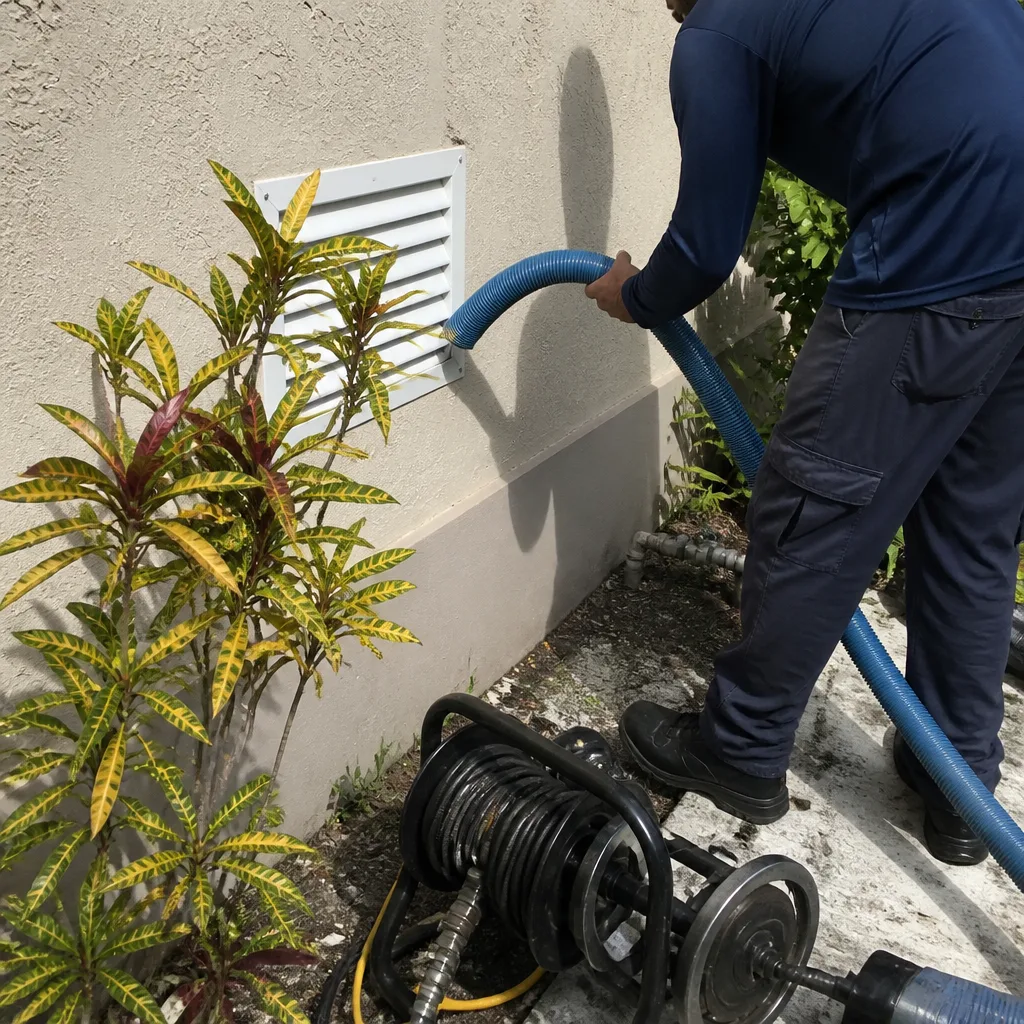
- Check the exterior dryer vent flap monthly. Walk outside and look at the vent cover while the dryer is running. The flap should be fully open and blowing air. If the flap is only partially open, or if it’s stuck closed, lint is accumulating inside the vent run. In Miami, where humidity makes lint clump together instead of blowing through, this happens faster than in dry climates.
- Inspect the dryer vent run annually. If your dryer vent runs through the attic or a wall cavity to reach an exterior wall, it’s collecting lint at every bend and joint. The National Fire Protection Association recommends annual inspection, and that recommendation applies even more strongly in Miami because the humid air makes lint stick to the duct walls. Look for any sag in a flexible vent run; sagging creates a low point where lint collects until the vent is completely blocked.
- Check exhaust fan ducts in bathrooms. Bathroom exhaust fans vent warm, moist air through a duct to the exterior. If that duct is blocked or disconnected, the moisture ends up in your attic, where it condenses and creates the same mold-friendly conditions that affect your AC ducts. Turn the fan on and hold a piece of tissue near the fan grille. If the tissue isn’t strongly pulled toward the grille, the fan isn’t moving enough air, and the duct may be blocked.
- Look at the kitchen range hood exhaust. Range hoods that vent to the exterior can accumulate grease on the duct walls, which then traps dust. While grease in a kitchen exhaust duct is not the same hygiene issue as lint in a dryer vent, it’s still a maintenance item. If you cook frequently, check the exterior vent cap annually and look for grease buildup around the flap.
Dryer vent cleaning is a separate service from air duct cleaning, and at Kestrel Air Duct Miami, we handle both. These two systems are connected by the same principle: when airflow is restricted by debris, the system works harder, runs hotter, and fails sooner. In Miami’s humidity, the debris is stickier and the failures come faster.
Record-Keeping: What to Document and Why
Documentation is the part of duct maintenance most homeowners skip, and it’s the part that matters most when something goes wrong. If you ever file an insurance claim for mold remediation or water damage related to your HVAC system, your maintenance history is the difference between a claim that gets paid and one that gets denied. If you sell your home, a documented maintenance history protects you from disclosure disputes.
Here’s what to document after every service call or major maintenance task:
- Date and scope of work. Write down what was done, who did it, and how long it took. If a professional service was performed, keep the invoice in a folder, not in a pile on your desk.
- Photos of problem areas before and after. Take a photo of the dirty duct before cleaning and the same duct after cleaning. If you’re doing a monthly inspection, photograph anything that looks unusual. A dated photo is stronger evidence than a written description if you ever need to document a problem.
- Filter replacement dates. Keep a simple log: date, filter type, MERV rating. This takes 30 seconds and shows a consistent maintenance pattern. Insurance adjusters and home inspectors alike look for this.
- Any moisture events. If you saw water around the air handler, a wet ceiling ring near a register, or a musty smell that appeared after a storm, write down the date and what you observed. Moisture events are the single most important thing to document for future insurance purposes, because mold claims hinge on when the moisture occurred and whether the homeowner responded promptly.
- Service provider contact information. Keep the phone number and service date for every company that touched your HVAC system. If a follow-up is needed, you don’t want to be searching for a business card. At Kestrel Air Duct Miami, every job comes with written documentation of what was done, which makes this step easier.
For Miami homeowners specifically, documentation matters more than in most markets. The combination of high humidity, hurricane exposure, and frequent insurance claims in this region means adjusters scrutinize HVAC maintenance records closely. A homeowner who can show five years of documented filter changes, seasonal inspections, and professional cleanings is in a much stronger position than one who can’t.
What a Full Duct Cleaning Actually Involves
When your checklist reveals that a professional cleaning is warranted, it helps to know what you’re actually paying for, and our Air Duct Cleaning Permits, Codes & Inspections in FL: What You Need to Know covers the regulatory side A proper duct cleaning is not a technician waving a vacuum hose at your registers for 20 minutes. Here’s what a thorough job looks like, and what we do on every visit.
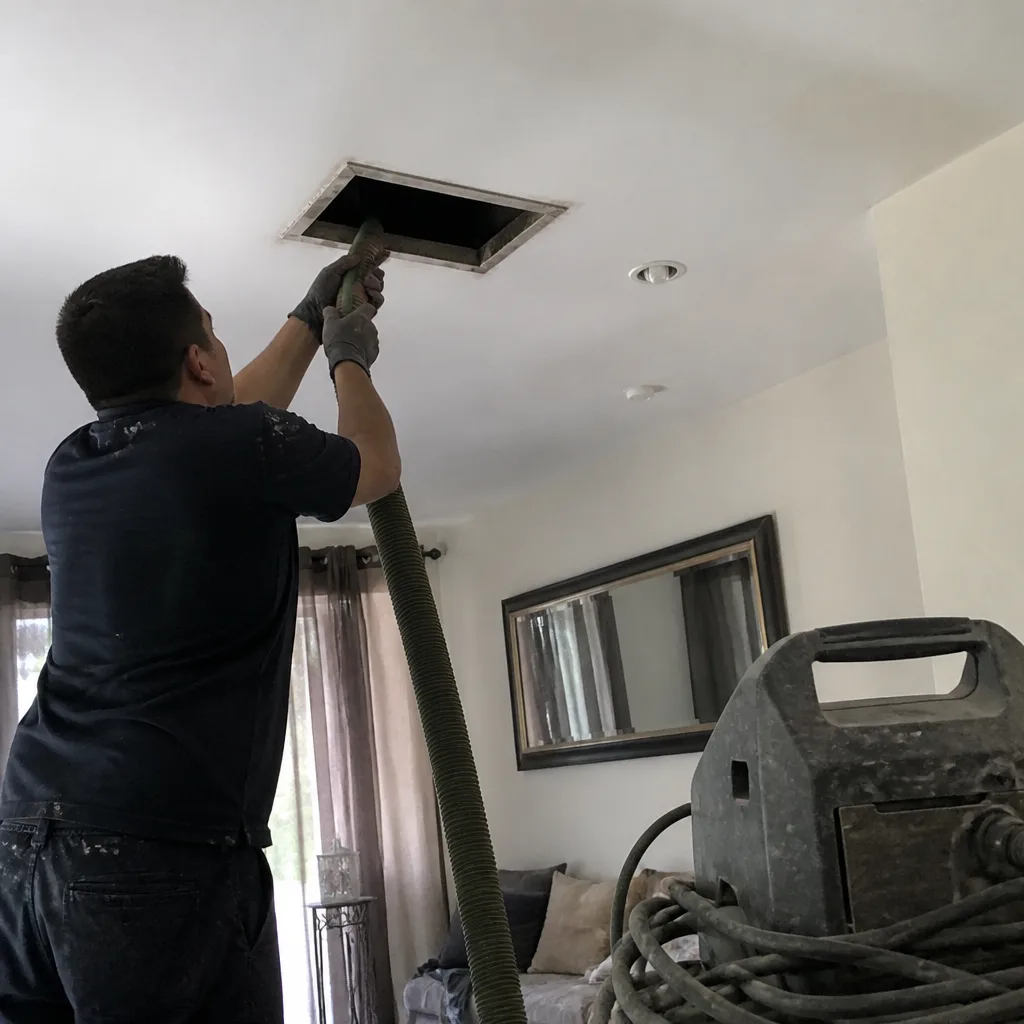
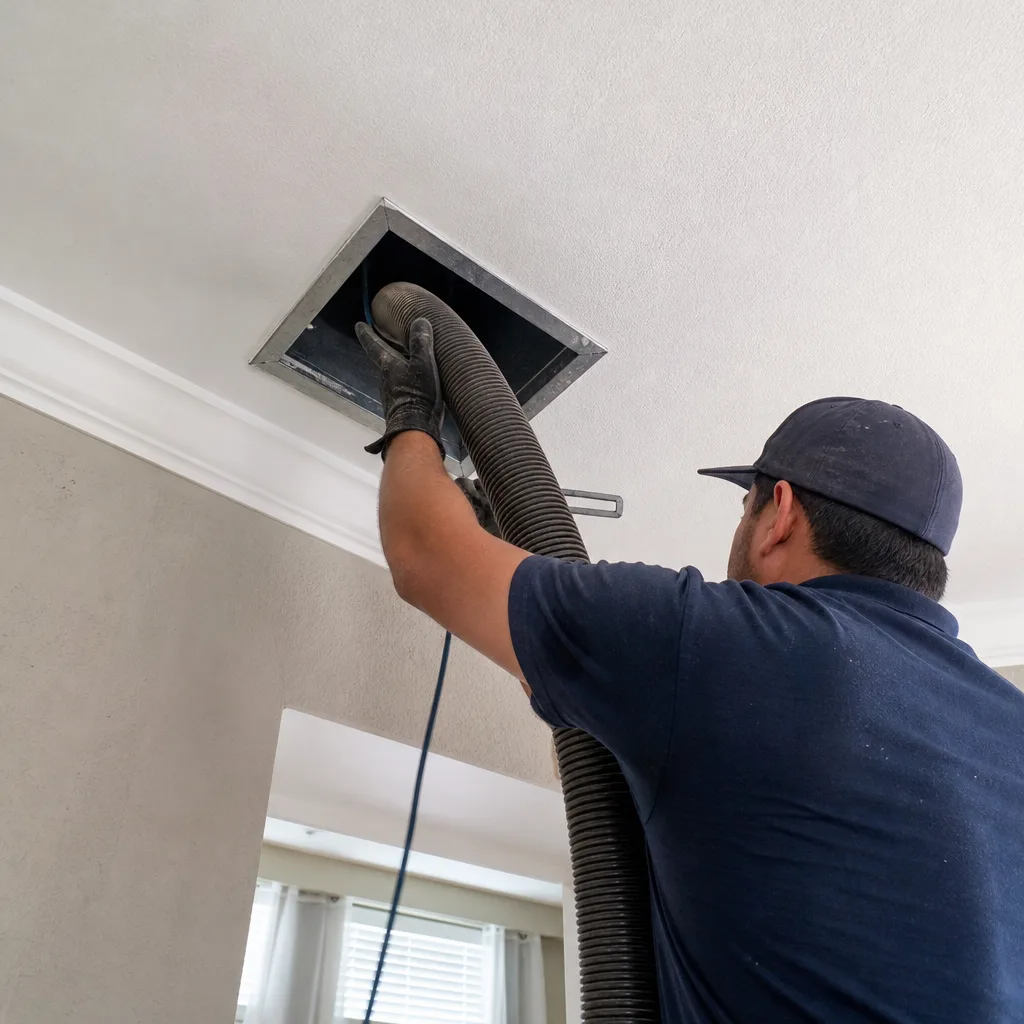
The process starts with what the industry calls negative-air extraction. The cleaning technician connects a powerful vacuum unit to the duct system, creating negative pressure that pulls air and dislodged debris out of the ducts and into a HEPA-filtered collection unit. This is the step that keeps loosened dust from blowing back into your living space, and it’s the reason box-store shop vacs can’t do this job. We use Nikro negative-pressure units for this phase, matched with Abatement Technologies HEPA filtration to contain the debris.
Next comes brush agitation. A rotating brush is pushed through each duct run to dislodge the dust and biofilm stuck to the duct walls. Rotobrush rotary brush systems do this work; the brush physically scrapes the duct interior, which is what actually removes the debris that negative pressure alone can’t pull loose. The brush is the mechanical work; the negative pressure is the collection system. Both are required for a thorough job.
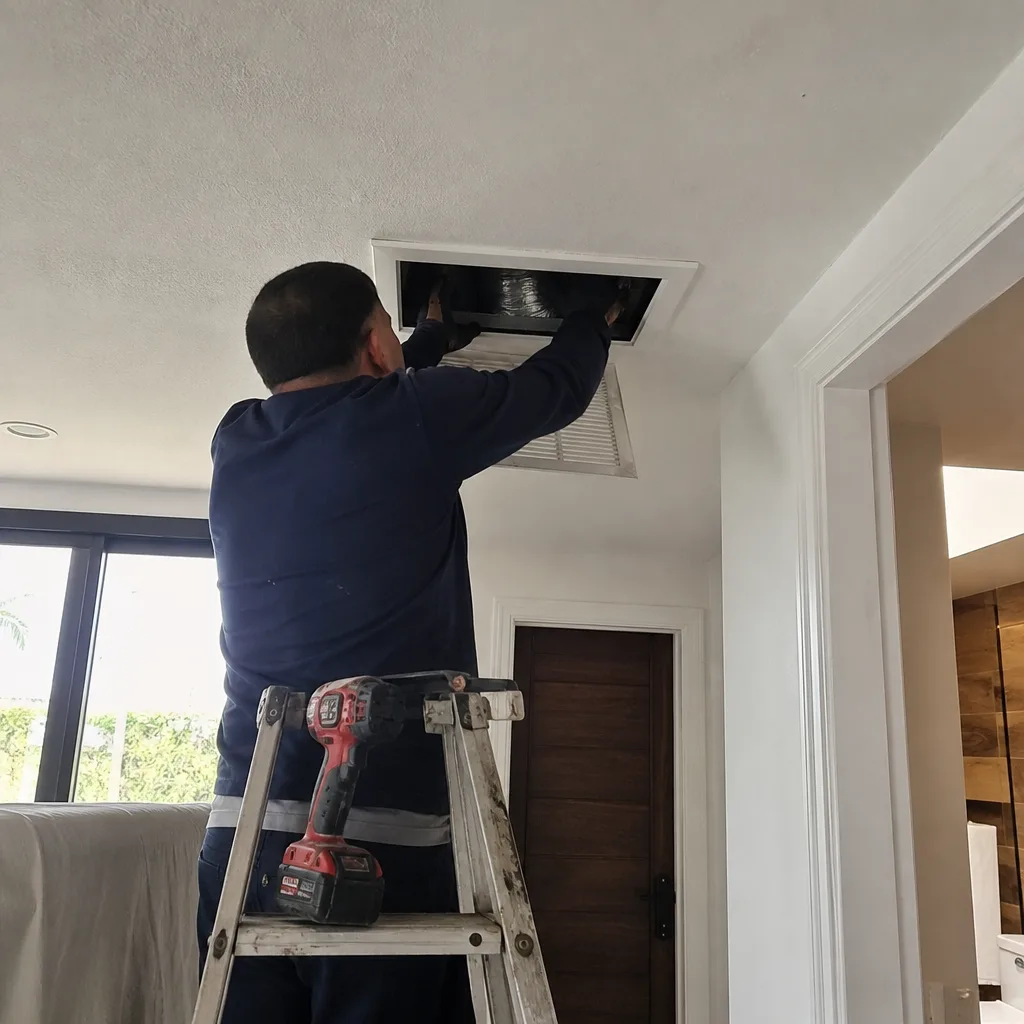
Finally, the technician cleans the supply registers, return grilles, the air handler cabinet, and the blower assembly. The blower is where much of the dust inside a system accumulates, and skipping it means reintroducing that dust into the clean ducts within weeks.
What does this cost? Most homes in Miami run between $450 and $900 for a full-system duct cleaning, depending on the number of ducts, the size of the home, and the level of contamination. Some homes fall outside that range in either direction, but that’s the realistic window. You should know the price before the technician starts work, and you should get it in writing. If a company can’t give you a written price before work begins, find a different company.
Common Mistakes to Avoid
- Treating “clean every 3 to 5 years” as a universal rule. That guideline assumes a system that rests for a third of the year. In Miami, your AC runs almost continuously, and your ducts collect debris at roughly double the rate. Most Miami homes need attention every 2 to 4 years, sometimes more often depending on occupancy, pets, and proximity to construction.
- Skipping the condensate drain line. The drain line is the most common source of moisture problems in Miami HVAC systems. A clogged line is a two-day fix if caught early and a multi-thousand-dollar mold remediation if ignored. Pouring vinegar down the line monthly is the cheapest insurance you’ll ever buy.
- Using a filter that’s too restrictive. High-MERV filters can improve air quality, but they also reduce airflow in systems not designed for that resistance. In Miami, where the system already runs long hours, a restrictive filter makes the blower work harder and can freeze the coil. Check your system’s specifications before upgrading beyond MERV 11.
- Ignoring flex duct sag in the attic. A sagging flex duct is a moisture trap waiting to happen. During the wet season, the sag collects condensation, which mixes with dust and becomes sludge. By the time you notice the problem through a supply register, the duct section usually needs replacement, not just cleaning.
- Not documenting maintenance. You do the work but don’t write it down. Then an insurance claim or a home sale requires you to prove the work was done, and you have nothing. Documentation takes 30 seconds per task and protects you for years.
- Hiring on price alone. The duct cleaning industry in Miami includes operators who advertise a very low price and then add fees once they’re in your home. A legitimate company gives you a written price before work begins. If a company quotes you $99 for a whole-house cleaning, that’s not a discount; it’s a warning sign.
When to Call a Professional
Some maintenance tasks are within a homeowner’s reach. Others are not. Here’s when to put down the flashlight and pick up the phone. If you see visible mold on registers, grilles, or inside a duct run, don’t try to handle it yourself; mold inside a duct system requires professional remediation, and the underlying moisture problem has to be resolved or the mold returns. If you’ve had a water intrusion event, a roof leak, a plumbing leak near the air handler, or flooding that reached the ducts themselves, a professional inspection should happen before you run the system again. If your monthly checks show debris accumulation that’s getting worse despite filter changes, the source is probably inside the ducts, and that requires professional equipment to address. If a duct has detached, collapsed, or sagged badly, hands-off material that needs re-strapping or replacement. And if you’ve moved into a home and don’t know the maintenance history, an inspection is always worth the cost. Dryer vent cleaning in Miami is a separate service that belongs on the same schedule. Kestrel Air Duct Miami offers free estimates in Miami; call (850) 779-9240 and a live person answers, day or night.
Frequently Asked Questions
Most Miami homes should have professional air duct cleaning every 2 to 4 years, not the 5-to-7-year interval recommended in cooler climates. The constant AC runtime and high humidity in Miami cause dust, biofilm, and debris to accumulate roughly twice as fast. Homes with pets, smokers, recent renovations, or residents with allergies should lean toward the more frequent end of that range. Call (850) 779-9240 for a free estimate based on your specific system.
Air duct cleaning in Miami homes typically runs between $450 and $900, depending on the number of ducts, home size, and contamination level. That price should be quoted in writing before the technician starts work. Any company quoting significantly less is likely to add fees once they’re inside your home. At Kestrel Air Duct Miami, the written price is in your hands before a single vent is touched.
Look for four indicators: visible dust patterns around supply registers, fuzzy accumulation inside a duct run when you shine a flashlight in, a persistent musty smell when the system runs, or increased dust settling on furniture despite regular filter changes. If you see two or more of these, schedule a professional inspection. A visual inspection costs nothing and will tell you definitively.
Low-priced duct cleaning quotes often cover only the supply registers, not the full duct system, return plenum, or air handler. Others are bait prices that climb once the technician arrives and “discovers” the need for add-ons like sanitizing or debris removal that should have been included. The Kingswell Guarantee at Kestrel Air Duct Miami means the price you’re quoted in writing is the price you pay, with no door-step revisions.
You can clean visible registers, grilles, and the return cover with standard household tools. But the interior of the duct system requires negative-air extraction and brush agitation with professional-grade equipment that isn’t available at retail stores. Trying to clean ducts with a shop vac dislodges dust without trapping it, which can make your indoor air temporarily worse. Leave the interior work to professionals with Rotobrush and Nikro equipment, not a box-store vacuum.
Not automatically. A hurricane does not automatically mean your ducts need cleaning. The relevant factor is whether moisture entered the system. If you see water stains around registers, smell mustiness when the AC runs, or find standing water near the air handler, then inspection and likely cleaning are warranted. If your home stayed dry and the system is performing normally, a visual inspection during your November checklist is usually sufficient. Call (850) 779-9240 for advice specific to your situation.
The Bottom Line
Miami’s climate puts your duct system under load twelve months a year. The maintenance calendar that works elsewhere doesn’t apply here. Anchor your year around two checkpoints: a thorough April or May pre-wet-season inspection and a November post-hurricane-season assessment. Between those, spend 15 minutes a month on the basics: filter, registers, drain line, and a quick look at visible duct runs. Document everything, and don’t wait for a problem to become visible before addressing it. When a professional cleaning is warranted, get a written price before work begins, and make sure the technician uses negative-air extraction and brush agitation, not a shop vac. Kestrel Air Duct Miami answers the phone 24/7; call (850) 779-9240 for a free estimate, and you’ll know exactly what the work costs before anyone sets foot in your home. For more guides & resources, visit our blog.
Written by Dale Whitmore, Owner at Kestrel Air Duct Miami, serving Miami since 2004.
See the difference
 Before
 After
After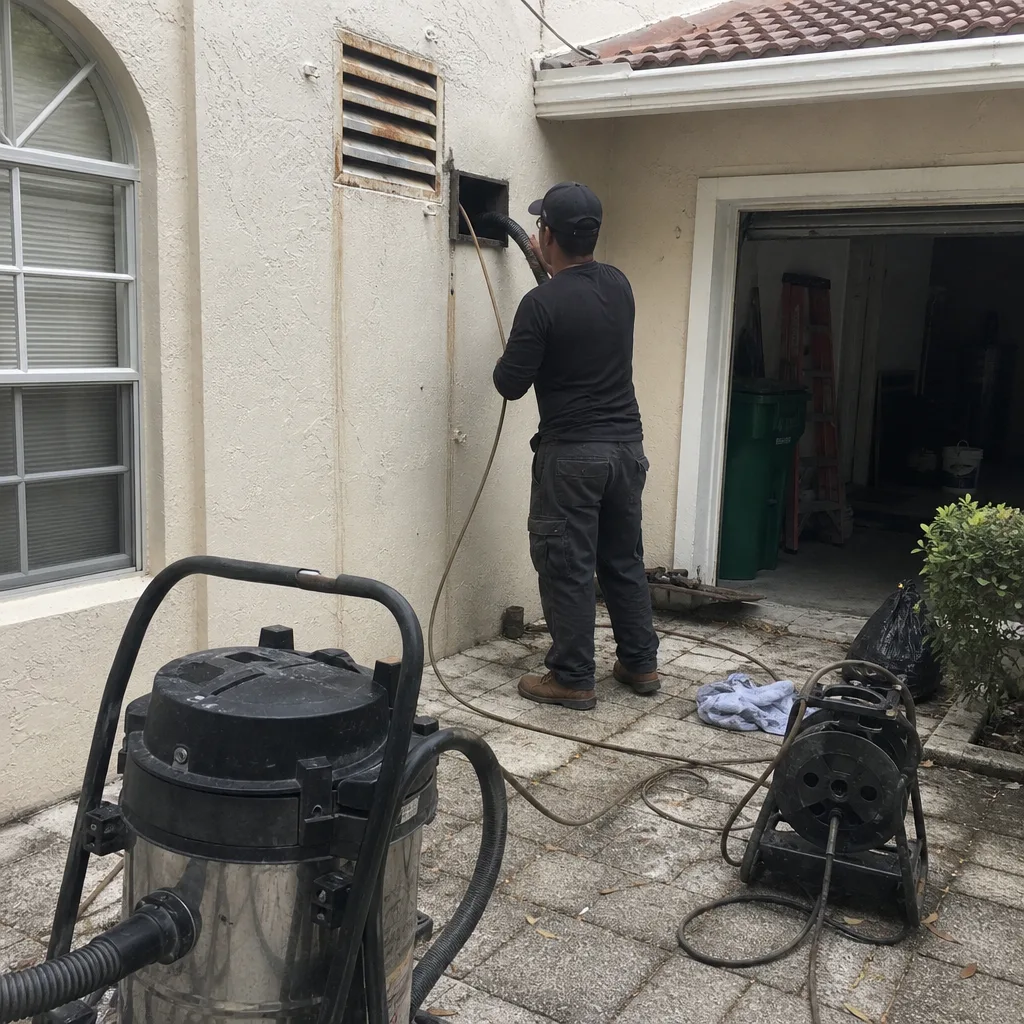 Before
 After
After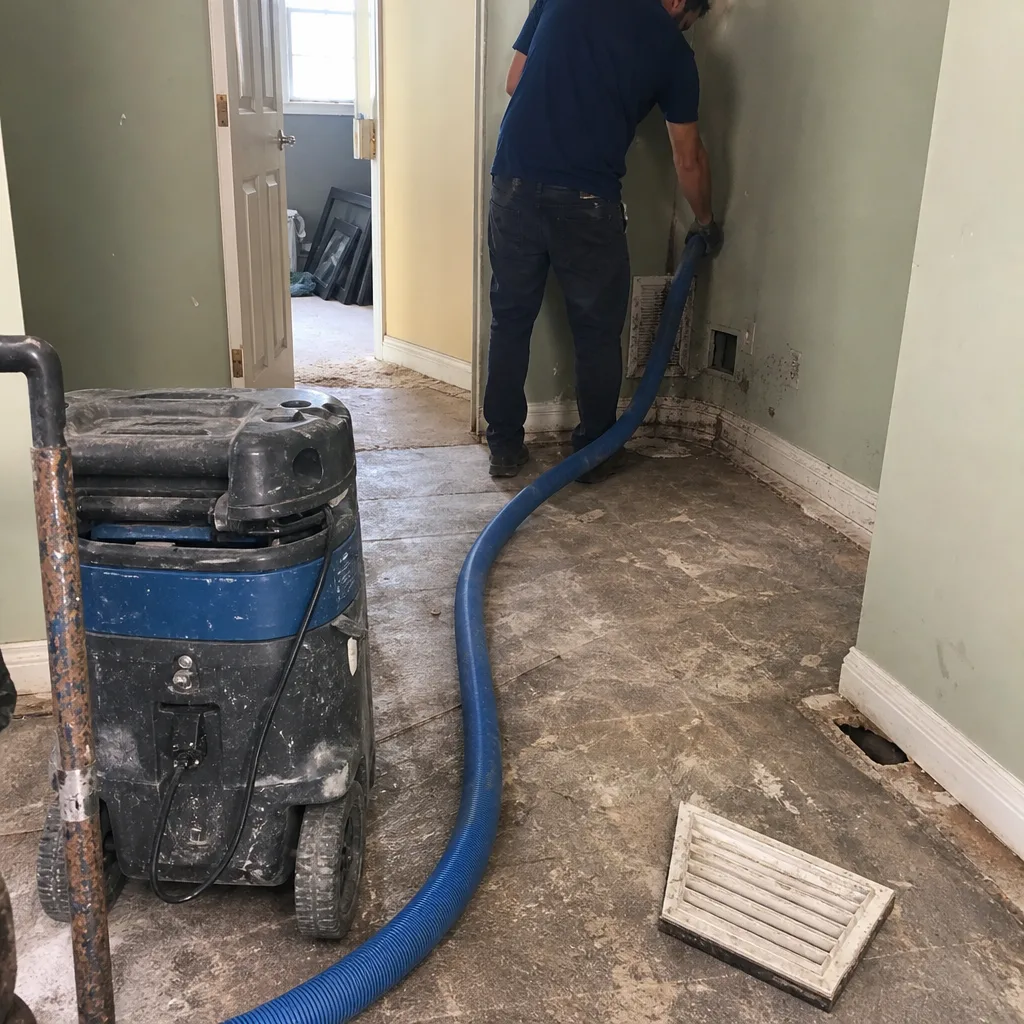 Before
 After
After